

Lithoz reports 40% growth in ceramic materials revenue
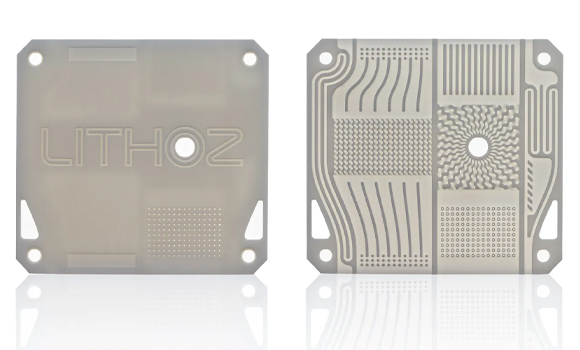
Lithoz, based in Vienna, Austria, reported a record 40% year-on-year increase in revenue from its ceramic materials business at the end of Q2 2026 and subsequently raised its revenue forecast for the remainder of the year.
According to the company, the growth reflects increasing recognition of the performance advantages offered by technical ceramics, together with the continued expansion of its Lithography-based Ceramic Manufacturing (LCM) printer fleets at existing customer sites. Lithoz also attributes the positive trend to its continued expansion in the medical technology sector, strong order books among contract manufacturers operating LCM machines, and growing production volumes.

The company’s global customer network, known as the Ceramic 3D Factory, comprises industrial and academic partners involved in serial production, research and development projects using LCM technology.
Lithoz states that more than half of all installed CeraFab System machines worldwide are operated by approximately 20% of its customer base, reflecting increased adoption of LCM-based serial production in highly regulated industries.
Dr Johannes Homa, CEO of Lithoz, commented, “We are not only continuously improving and revalidating our materials. We’ve even developed a good number of customised materials for customers now persistently scaling their production to greater volumes. Reaching ISO 13485 certification for our quality management in material production was a big milestone and proved to be a powerful door opener to many demanding industries; even the most tightly regulated industries that can profit off our technology.”
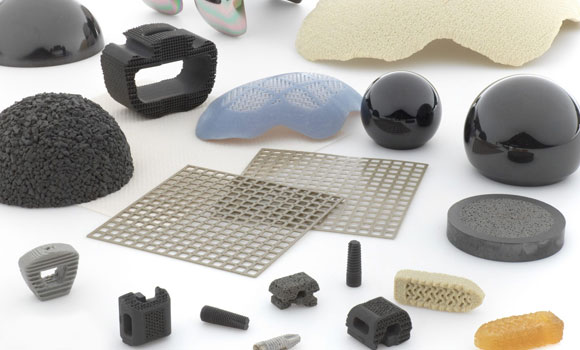
Alumina and zirconia continue to generate the largest share of Lithoz’s ceramic materials revenue. However, the company reports that aluminium nitride, calcium phosphates and silica-based ceramics have experienced the strongest individual growth across its portfolio of more than twenty ceramic materials.
Lithoz states that aluminium nitride, with a thermal conductivity of 211 W/m·K and a coefficient of thermal expansion closely matched to silica, is seeing increasing adoption for thermal management applications in semiconductor manufacturing, propulsion systems and data centre cooling.
Ceramic casting core materials have also experienced strong demand. Lithoz attributes this in part to Safran Aircraft Engines’ recent adoption of LCM technology for the development of next-generation single-crystal turbine blades for future aircraft engines, which the company states has significantly increased industry interest in this material.