

Tailored feedstocks for MIM, CIM and sinter-based AM: How Blesol Tech is responding to market requirements
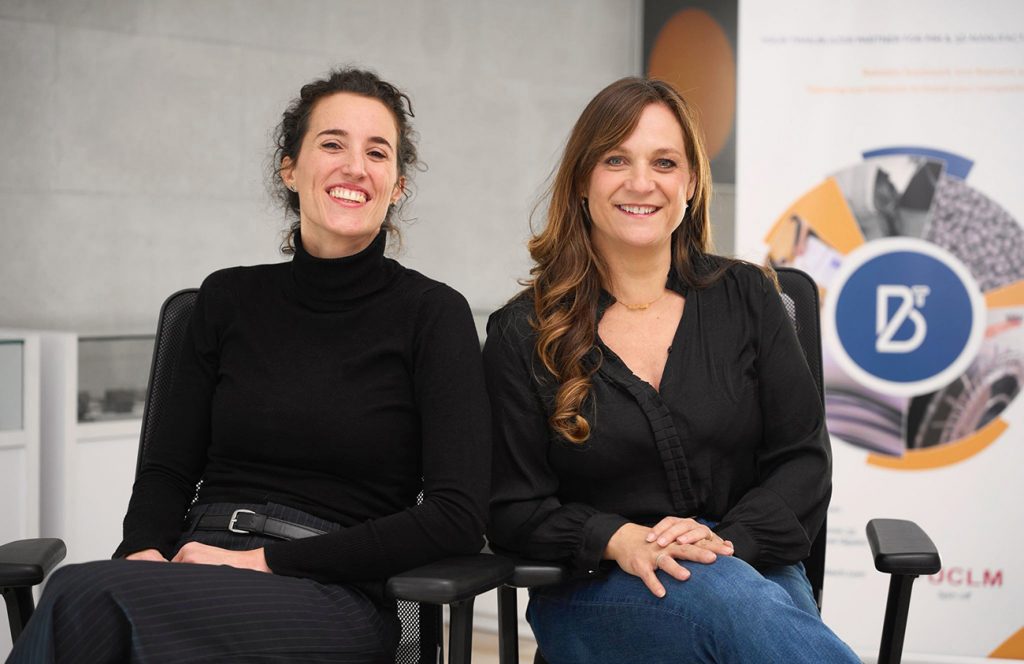
Blesol Tech is emerging as a notable European supplier of metal and ceramic feedstocks for Metal Injection Moulding, Ceramic Injection Moulding, and sinter-based Additive Manufacturing. Based in Castilla-La Mancha, Spain, and led by Dr Gemma Herranz and Dr Cristina Berges, the company brings together academic expertise and industrial-scale production. As this article outlines, its close collaboration with MIM and CIM producers offers clear insight into shifting market requirements, informing the development of tailored materials and adaptable feedstock solutions. [First published in Powder Injection Moulding International Vol. 19 No. 4, Winter 2025 | 10 minute read | View on Issuu | Download PDF]
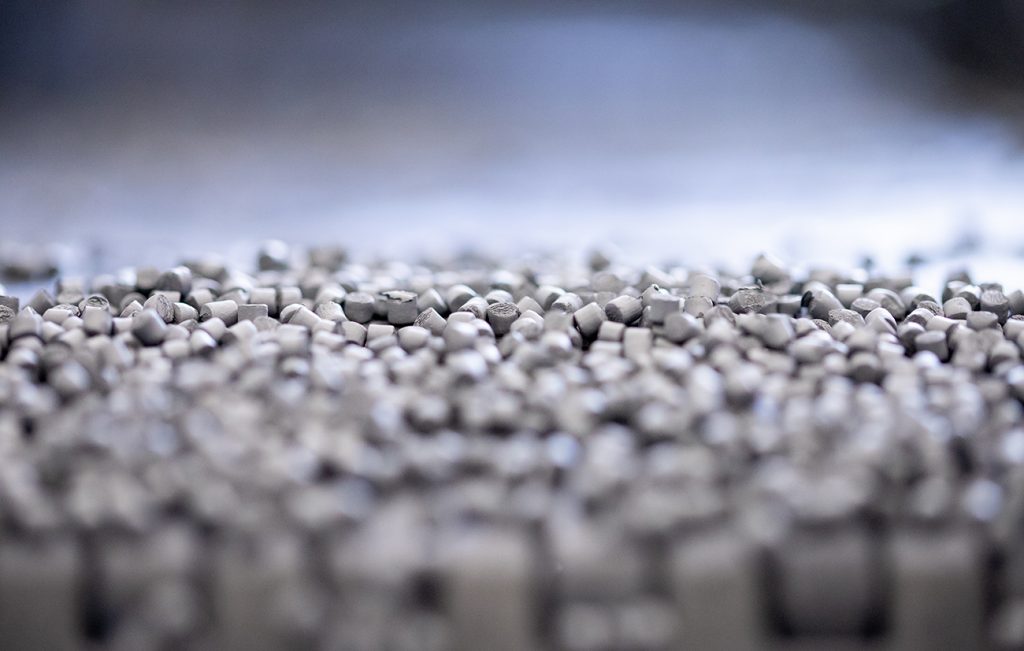
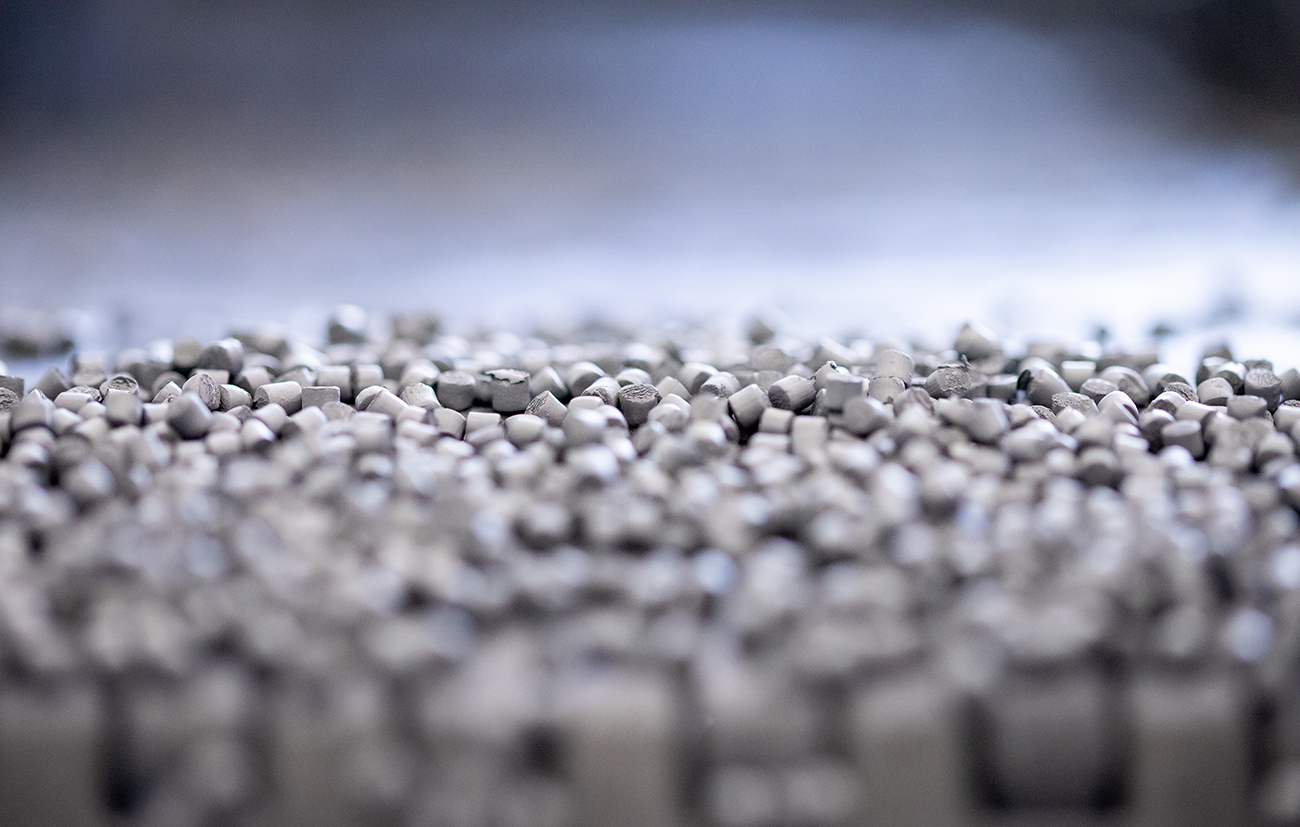
Blesol Tech, located in Spain’s Castilla-La Mancha region, specialises in the production of advanced metallic and ceramic feedstocks for Metal Injection Moulding, Ceramic Injection Moulding and Additive Manufacturing. Led by Dr Gemma Herranz and Dr Cristina Berges, the company has achieved steady growth in the MIM and CIM industries. Blesol Tech’s operations are underpinned by a highly qualified team with extensive experience in materials science, sinter-based part processing, and materials characterisation. In recent years, the company has scaled to industrial levels of production, with monthly feedstock production capacity approaching four tonnes.
Herranz explained to PIM International, “We have positioned Blesol Tech as a reliable and flexible alternative to the current European near-monopoly in feedstock supply, developing customised materials and sustainable solutions for sectors such as automotive, healthcare, electronics, and energy.”
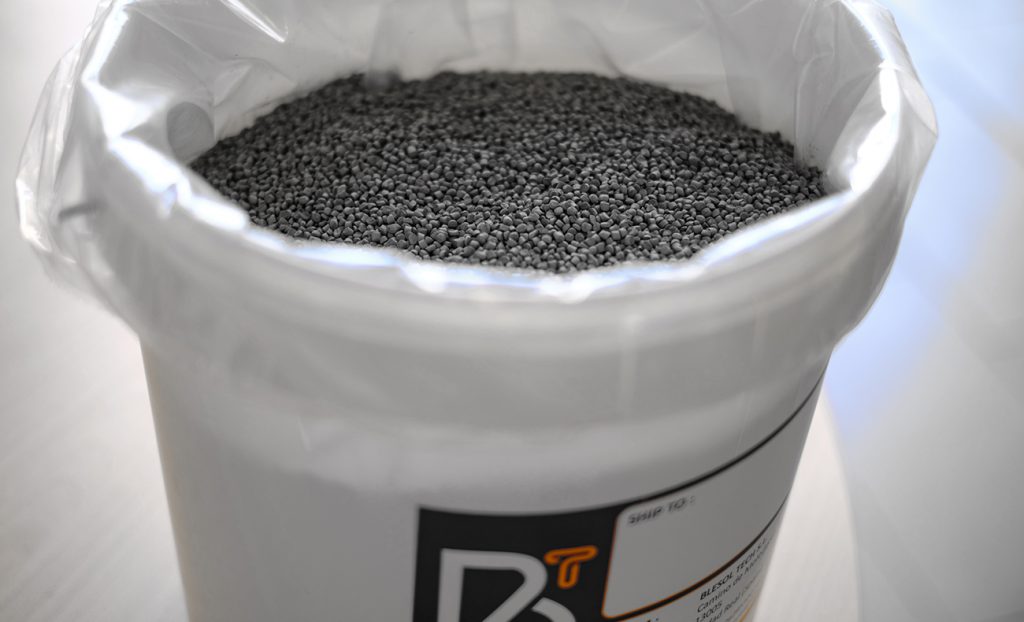
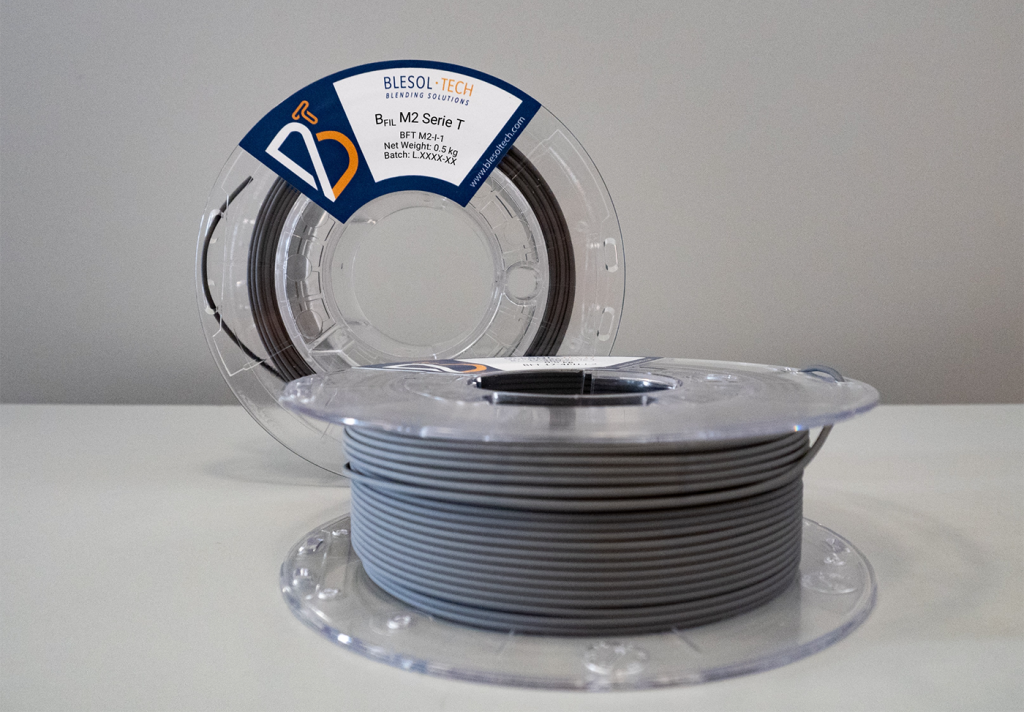
As well as designing and manufacturing innovative binder systems and feedstock formulations, the company also develops metal and ceramic filaments for Material Extrusion (MEX) based Additive Manufacturing, also referred to as Fused Filament Fabrication (FFF).
The company works closely with a number of regional and European MIM and CIM producers, and as such has unique insight into the industry’s changing dynamics. Commenting on the status of the MIM industry in Europe, Berges stated, “The European market has entered a period of adjustment following several years of growth. Production levels have stabilised, driving companies to reassess objectives, pricing, and process efficiency. The most pressing challenge facing MIM part producers today is ensuring a stable and high-quality feedstock supply. A heavy reliance on a very small number of European feedstock suppliers, combined with reduced product portfolios and global logistics disruptions, has introduced significant uncertainty to the sector.”
At the same time, stated Berges, cost pressure is intensifying. “Automotive and electronics customers demand increasingly competitive prices, while energy and raw material costs continue to rise. The market also calls for greater material flexibility: specialised alloys and ceramics tailored to new applications are often required, but large established suppliers have shown little interest in their development.”
Berges also believes that emerging technologies such as metal Additive Manufacturing have created the need for MIM producers to demonstrate that their process remains the most cost-effective choice for high-volume production. “In this environment, partnerships that drive innovation and sustainability have become essential,” she stated.
Industry opportunities presented by evolving markets
Berges and Herranz expect particularly dynamic growth in the biomedical and electronics sectors over the next three to five years. “In biomedical applications, the demand for miniaturised and biocompatible components is expanding rapidly, including implants, surgical instruments, hearing aids, bone fixation systems, and orthodontic brackets. Here, MIM provides geometric precision, repeatability, and scalability that make it a strong alternative to more expensive manufacturing routes,” stated Herranz.
Electronics and sensor applications are also presenting new opportunities. “The move towards electric vehicles, Internet of Things (IoT) devices, and consumer electronics is driving demand for smaller, more complex metallic and ceramic components with tight tolerances. MIM is proving highly competitive for parts such as shielding housings, micro-connectors, and pressure sensors,” added Herranz.
It was also stated that green energy developments, in particular hydrogen technology, are driving demand for corrosion- and wear-resistant components for renewable systems and emerging energy technologies – including valves, connectors, heat exchangers, and parts for fuel cells and electrolysers.
In the automotive industry, a key yet maturing market, electrification and sustainable mobility are driving demand for lightweight, high-efficiency components. Meanwhile, aerospace and defence industries are beginning to adopt MIM to reduce costs and lead times without compromising performance.
“Microtechnology, jewellery, and watchmaking represent another area of growing interest, particularly for precision parts and intricate designs in luxury and microcomponent applications. Similarly, consumer and lifestyle products – from fashion accessories and sports equipment to aesthetically refined components – are benefiting from the design freedom MIM enables,” explained Berges.
Overall, Blesol Tech anticipates diversified market growth centred on high-value-added and geometrically complex applications, where MIM offers distinct advantages over conventional and additive processes.
Process innovation and special materials as a driver of growth
As a feedstock manufacturer, Blesol Tech is seeing increased demand for materials with specific, high-performance properties suited to the opportunities mentioned above.
“Customers are requesting a range of tailored materials, including special stainless steels offering high corrosion resistance and biocompatibility for medical use, nickel- or cobalt-based superalloys capable of withstanding high-temperature environments for aerospace and energy, and lightweight titanium alloys combining strength and low density for electric mobility and aerospace applications,” stated Herranz.
“Demand is also growing for technical ceramics – such as alumina, zirconia, and carbides – that deliver electrical insulation, wear resistance, and chemical stability in electronics and sensor systems. Alongside these, there is a rising preference for sustainable formulations using recycled raw materials and optimised supply chains, aimed at reducing environmental impact and meeting increasingly strict regulatory requirements.”
Berges and Herranz frequently hear that established feedstock suppliers’ offerings are rigid and limited, restricting the industry’s responsiveness to emerging market niches. “As a feedstock manufacturer, we place particular emphasis on co-developing new formulations in partnership with clients and adjusting compositions and processes for specific applications. Differentiation is essential in today’s global market. By developing feedstocks with enhanced performance, processing reliability, and sustainability credentials, we help customers remain competitive internationally,” stated Berges.
Sustainability and the circular economy
Herranz and Berges regard sustainability as a strategic priority for the company. Wherever possible, recycled raw materials are used and circular economy principles are applied throughout its feedstock production. “Sustainability has evolved from a complementary feature to a contractual requirement – especially in the automotive, biomedical, and electronics sectors, where clients increasingly demand carbon footprint reduction, material traceability, and compliance with European regulations,” stated Berges.
“Our business model combines the manufacture of high-quality feedstock with a reliable, innovative recycling service that delivers measurable benefits. This approach enables cost reduction through controlled reprocessing of recovered material, provides added value to customers by strengthening their environmental responsibility credentials, and ensures early alignment with Europe’s tightening circular economy legislation.”
The company believes that, in the near future, the market will draw a clear distinction between suppliers that integrate recycling into their business models and those that do not. Consequently, Blesol Tech has placed sustainability at the centre of its strategy, not simply as an obligation, but as a central factor in building competitiveness and customer confidence.
The qualities of a good feedstock
“Feedstock quality is the cornerstone of any successful MIM or metal/ceramic AM process. We understand that excellent feedstock depends not only on raw material quality, but also on comprehensive process control and adaptation to each customer’s requirements,” explained Berges.
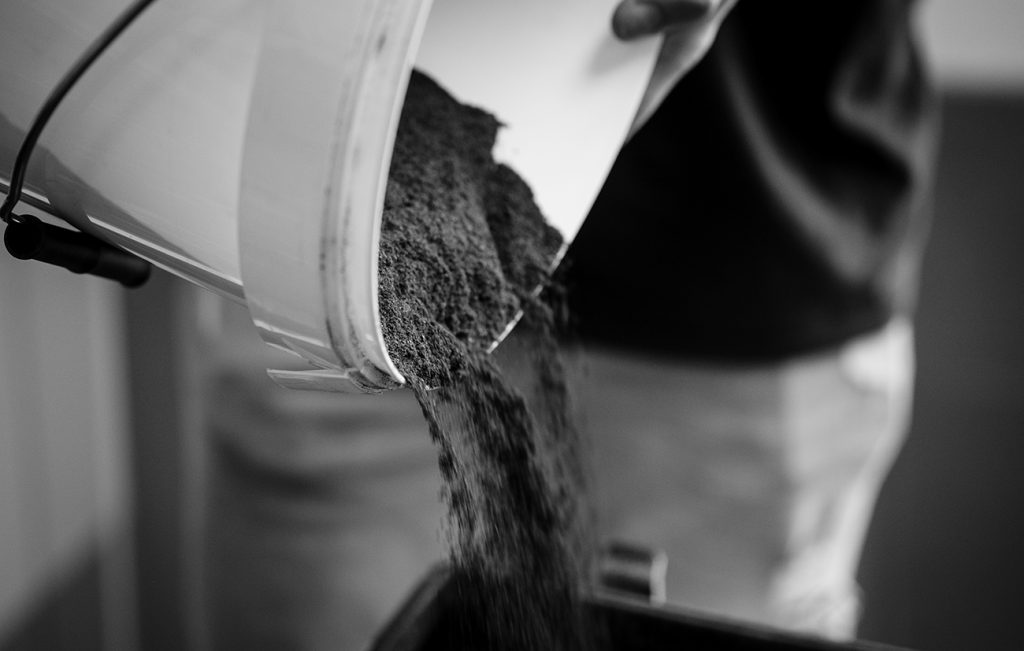
“Selecting powders with precisely controlled size, shape, and distribution ensures uniform density, optimal flowability, and reliable processing behaviour. Binder and additive formulations are then selected to support efficient moulding, minimise shrinkage during sintering, and ensure compatibility across different alloys and ceramics. Achieving a homogeneous feedstock ensures consistent mechanical and dimensional properties across batches, thereby enhancing reproducibility.”
“In the end, a good feedstock is defined by its quality, consistency, sustainability, and adaptability, which allows MIM and AM manufacturers to deliver reliable, precise, and competitive components.”
Future outlook: MIM and AM’s future
Blesol Tech foresees MIM and CIM maintaining a vital role alongside metal and ceramic AM, with each technology serving distinct niches according to production volume, design complexity, and cost. The company expects a clear coexistence of technologies, where MIM remains the preferred solution for large-scale production that requires repeatability, cost efficiency, and reliability. At the same time, AM will dominate in low-volume, customised, or design-driven applications.
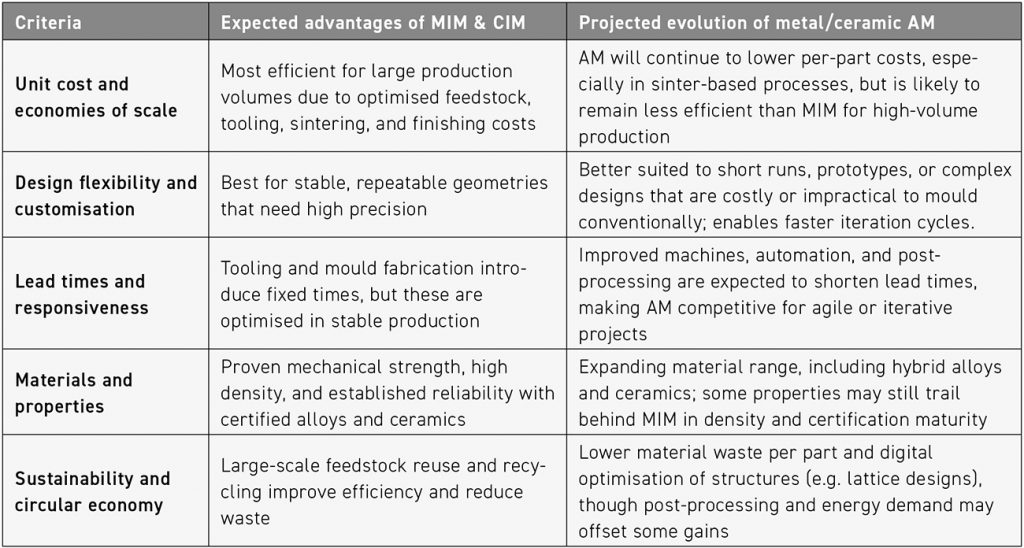
“Many customers now compare both technologies when planning projects. For this reason, feedstock suppliers must offer materials suitable for both MIM and sinter-based AM, alongside technical support, certification expertise, and sustainability assurance,” explained Berges.
Blesol Tech anticipates further feedstock-focused innovation, driven by advances in powder quality, particle distribution, contamination control, medical and aerospace certification, recyclability, and energy efficiency in processing. The company also believes that, by 2030, stricter environmental and material regulations will demand full traceability, reduced carbon footprint, and compliance with critical raw material standards. “Feedstock producers that meet these requirements will have a decisive advantage,” stressed Herranz.
Barriers to the wider adoption of MIM
Despite its technical and economic advantages, Berges and Herranz recognise that MIM still faces several barriers to broader adoption across automotive, biomedical, electronics, and aerospace sectors.
“A key obstacle is limited technical awareness. Many design engineers overlook MIM during early product development, either due to a lack of familiarity or uncertainty about optimising geometries for the process. The process also involves complex design considerations – such as ensuring material flow and minimising defects during moulding and sintering – which require specialised expertise,” stated Herranz.
“High initial tooling costs represent another limitation, particularly for low- and medium-volume projects, where investment in moulds can be difficult to justify. This is compounded by dependence on a small number of feedstock suppliers, which creates supply-chain insecurity and limits material availability,” she added.
Material selection poses further challenges. Not all alloys are suitable for MIM, and developing new formulations can be costly and time-consuming, particularly in highly regulated sectors that require certification, such as the medical or aerospace industries. The process also demands careful post-processing to achieve final properties, which can add time and cost.
MIM’s sensitivity to process parameters such as temperature, pressure, feedstock density, and sintering control increases the need for stringent quality assurance and technical supervision. Additionally, while the technology excels at producing small and medium-sized parts, scaling to larger components remains difficult due to issues of homogeneity, thick-section debinding, and sintering uniformity.
“Overall, these barriers highlight that while MIM’s potential is immense, its wider adoption depends on improved industry awareness, greater technical training, supplier diversification, and sustained innovation in materials – all essential to unlocking the technology’s full industrial value,” stated Herranz.
Is AM reducing opportunities for MIM in Europe?
“Not yet. Metal AM is not currently eroding MIM’s market opportunities in Europe. In fact, AM often serves as a gateway technology – introducing potential customers to powder-based manufacturing. Many initially experiment with AM because it is perceived as more familiar or modern, but once cost, volume, tolerance, and finishing requirements are evaluated, MIM often emerges as the more advantageous option for production.”
“AM therefore complements MIM in several ways: enabling rapid prototyping and design validation, supporting small batches or highly customised parts (for example, in medical applications), and exploring novel geometries or lightweight structures that can later transition to MIM for high-volume production.”
“The decisive factors remain unit cost, production volume, and design stability. MIM continues to offer unmatched competitiveness for thousands or millions of complex, tight-tolerance parts. Moreover, AM’s rise has pushed the MIM industry to improve – driving better communication of process advantages, investment in R&D, reduced tooling costs, faster turnaround, and improved surface quality. In this sense, the competition has proved both healthy and productive.”
Why MIM remains relatively unknown
Metal Injection Moulding continues to be a relatively obscure technology outside certain industrial niches. This is largely due to limited public communication, technical complexity, and academic underexposure. Unlike AM, which has achieved widespread recognition even at the consumer level, MIM has remained a highly specialised process with little outreach beyond professional circles. Its complexity, merging aspects of metallurgy, polymer injection moulding, and sintering, makes it harder to communicate in accessible terms.
“Many engineering graduates receive minimal exposure to MIM during their studies, meaning the process is often absent from early design-stage considerations. At the same time, the limited number of feedstock and component suppliers contributes to the perception that MIM is an exclusive or difficult-to-access technology,” stated Herranz.
“Raising awareness requires training for designers and engineers, dissemination of successful case studies, and clear, relatable communication of MIM’s advantages – showing when and why it is the optimal solution compared with other advanced manufacturing routes.”
The role of the feedstock producer
“As feedstock lies at the heart of every MIM and CIM process, feedstock producers can play a key role in advancing innovation, quality, and sustainability – shaping process reliability, component performance, and technological progress. Today, MIM manufacturers face growing demand for larger and more complex parts. Feedstock must, therefore, evolve with optimised binder systems, balanced solid loading, and robust debinding and sintering performance to ensure that MIM remains both competitive and dependable,” stated Berges.
“At Blesol Tech, this responsibility begins at the source. We collaborate with powder producers to define tailored compositions, controlling critical parameters such as oxygen and carbon content, and designing particle size distributions that enhance feedstock behaviour and process capability. We then work closely with part manufacturers to supply feedstocks adjusted to specific requirements, refining materials through iterative feedback to ensure reliability, repeatability, and high performance. At the final stage, we engage directly with end users – responding to immediate needs while also inspiring new applications that traditional feedstocks cannot yet support.”
With its academic foundation, bringing in more than twenty years of research experience, Blesol Tech benefits from a significant depth of knowledge. This allows the company to anticipate challenges, deliver innovative solutions, and communicate clearly with each customer.
Herranz concluded, “We see ourselves as a bridge for innovation in MIM and CIM – connecting materials, processes, and markets to drive the continued advancement of the technology.”
Contact
Blesol Technologies
Camino de Moledores s/n
(Edificio INEI-UCLM),
13005 Ciudad Real
Spain
+34 6581 48707