

Mitsubishi Materials targets 100% tungsten recycling in Europe
Mitsubishi Materials Corporation (MMC), headquartered in Tokyo, Japan, has unveiled a new medium-term management strategy highlighting the global expansion of resource circulation as its central growth pillar.
TRUSTED BY INDUSTRY’S BIGGEST NAMES
Discover how we help leading brands shape the industry conversation
| Contact us |
MMC is in planning for new secondary smelting plants in Europe that will significantly increase the processing of Waste Electrical and Electronic Equipment (WEEE) feedstock and other recycled raw materials on the continent.
Preferred locations under consideration include the Netherlands and other European countries.
The new plant, driven by MMEU, is intended to enable closed-loop resource circulation within Europe, collecting European secondary raw materials, processing them in Europe, providing opportunities to supply recycled metals back to European customers. Capacity, investment amount and exact timing are currently under investigation.
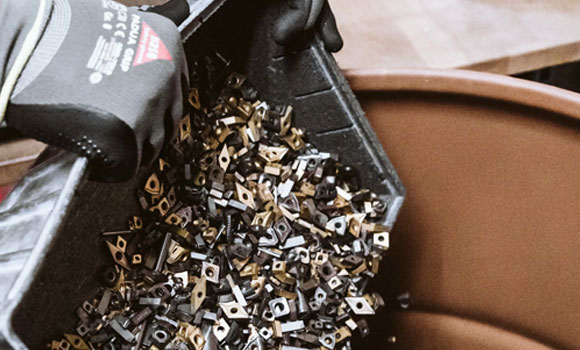
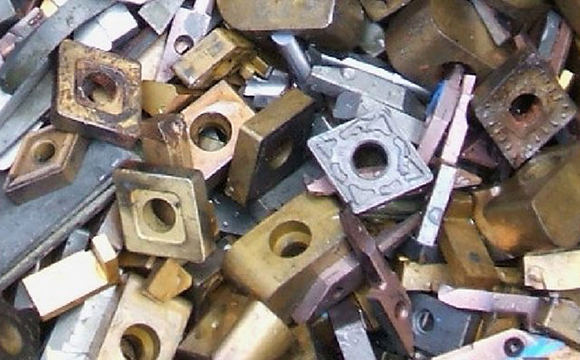
In parallel, MMC is targeting a 100% tungsten recycling rate by the fiscal year ending March 2031, with a 1.5× increase in recycled tungsten processing at its European HC Starck facilities and the creation of new dedicated tungsten recycling routes in Europe. Mitsubishi Materials acquired HC Starck in December 2024, following an announcement in May of that year.
Together, these initiatives are said to support the core objectives of the EU Critical Raw Materials Act by significantly increasing EU-internal recycling capacity for copper and CRMA-listed strategic raw materials; achieving 100% recycled tungsten (one of the 34 strategic raw materials in Annex II); qualifying as a Strategic Project under Article 19 of the CRMA, which could unlock fast-track permitting and potential EU/single-market funding; and offering full traceability and CRMA-compliant certification via the group’s MEX digital platform.
By constructing the next-generation secondary smelting plants, MMC aims to create a closed-loop system for recycling Europe’s urban mine, including E-Scrap.
The European projects form part of a global commitment to double WEEE feedstock processing capacity by the fiscal year ending March 2036 and shift the majority of metal intake from primary mining to recycled sources.