

Consumer electronics hinges drive China’s MIM growth, robotics next
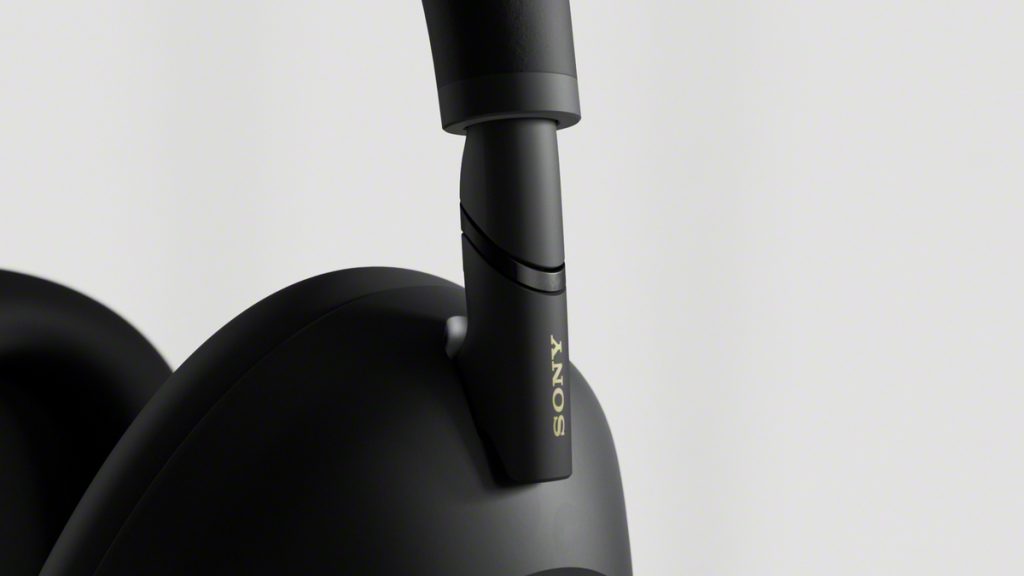
Hinge mechanisms have become a major growth driver for China’s Metal Injection Molding industry. Once a niche application, hinges are now central to consumer electronics design and product development. Early examples, such as those used in folding phones and laptops, demonstrated the technology’s precision and durability. Modern hinge modules, however, clearly illustrate the process’s ability to deliver miniaturised, reliable parts at scale through the use of tens of small, high-strength MIM components.
Dr Chiou Yau Hung (Dr Q), a MIM industry consultant, stated, “Hinges remain – and are set to remain – a key driver of demand for MIM technology, particularly in the 3C sector. Their use is being fuelled by growing demand for compact, durable mechanisms in foldable smartphones, tablets, wireless earbuds, and wearable devices – applications where conventional machining or casting often fall short in terms of design flexibility and cost-efficiency.”
TRUSTED BY INDUSTRY’S BIGGEST NAMES
Discover how we help leading brands shape the industry conversation
| Contact us |
Demand for MIM hinges is now accelerating innovation and investment in MIM production capacity. Manufacturers are developing multi-joint hinges with integrated gears, damping systems, and decorative covers, transforming them from hidden mechanisms into elements of the user experience. Today, precision folding-screen mobile phone hinges can incorporate between thirty and fifty MIM parts, with many weighing less than 1 g.
Chinese MIM producers have also adopted advanced high-strength alloys and begun integrating MIM production with processes such as die casting and stamping to deliver complete hinge modules.
“MIM parts have begun to be embedded into assemblies formed using other metal forming processes such as die casting techniques, sheet metal processing and, more recently, liquid metal and bulk metal glass (BMG) technologies,” stated Dr Q. “This integration has created a new wave of business for MIM producers, significantly increasing the need for MIM production capacity and process capabilities.”
The result is a highly competitive market, with more than fifty manufacturers producing full hinge assemblies and over a hundred specialising in individual components.
Beyond the consumer electronics market, MIM hinges are expected to play a pivotal role in emerging sectors such as robotics, where compact and precise mechanical systems are essential. “Humanoid robots with embodied intelligence are already becoming a reality,” explained Dr Q. “Although they do not yet possess the full flexibility seen in the movies, hinge modules featuring MIM parts will play a crucial role in their development. In fact, the demand for these components could soon surpass that of foldable smartphones.”
For a detailed analysis of hinge technologies and future opportunities in the MIM industry, read our full report in the Summer 2025 issue of PIM International.