

Visottica Group: Integrated workflows and the value of Metal Injection Molding in eyewear and beyond
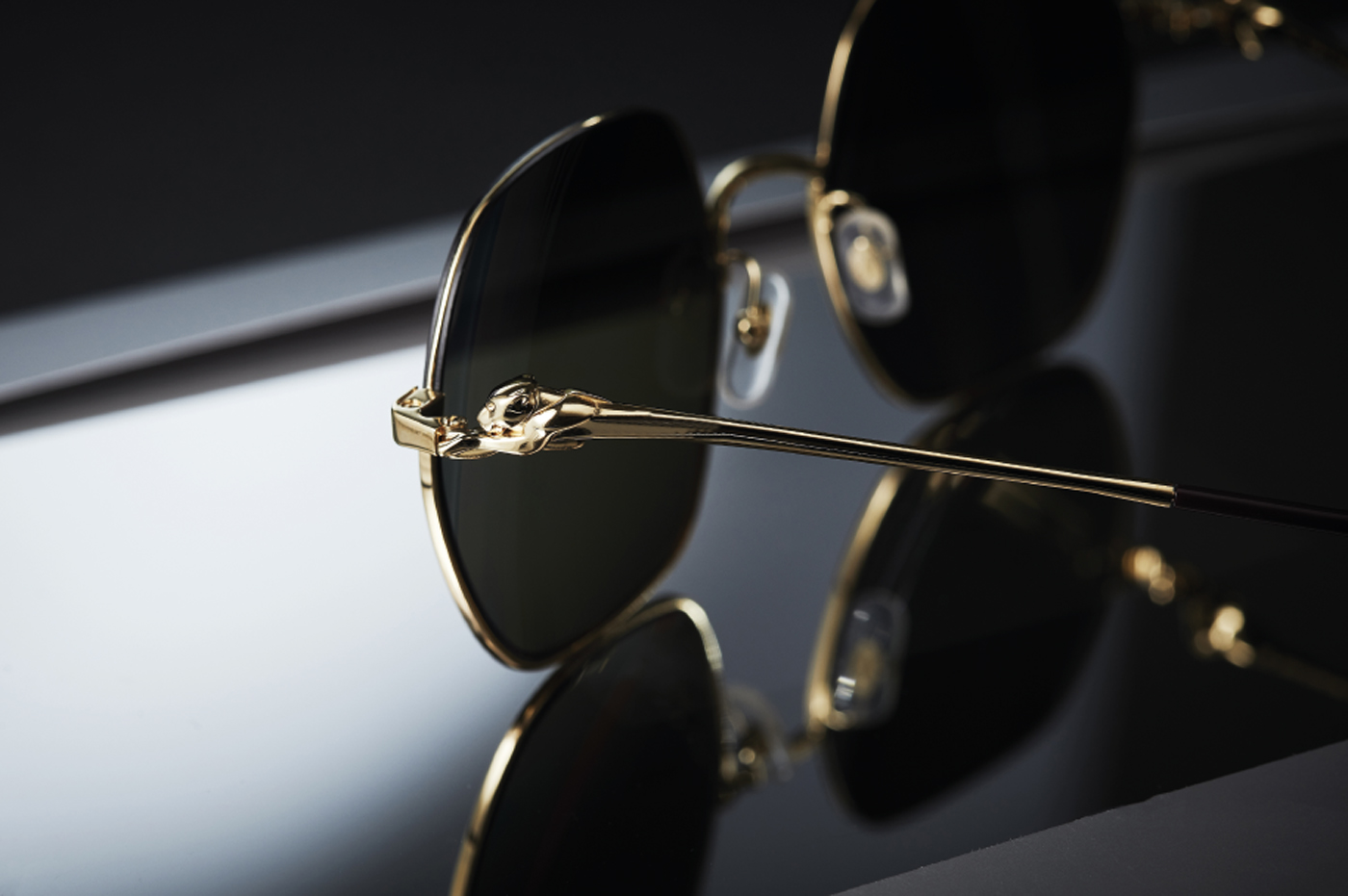
From the creation of increasingly elaborate high-strength components with complex geometries to decorative elements, Metal Injection Molding has become the go-to manufacturing process for the eyewear industry. Italy’s Visottica Group is a leading supplier to this sector and, in recent years, has expanded its capabilities through acquisitions, resulting in the optimisation of the entire production chain. Luca van der Heide reports for PIM International. [First published in PIM International Vol. 17, No. 1, Spring 2023 | 10 minute read | View on Issuu | Download PDF]
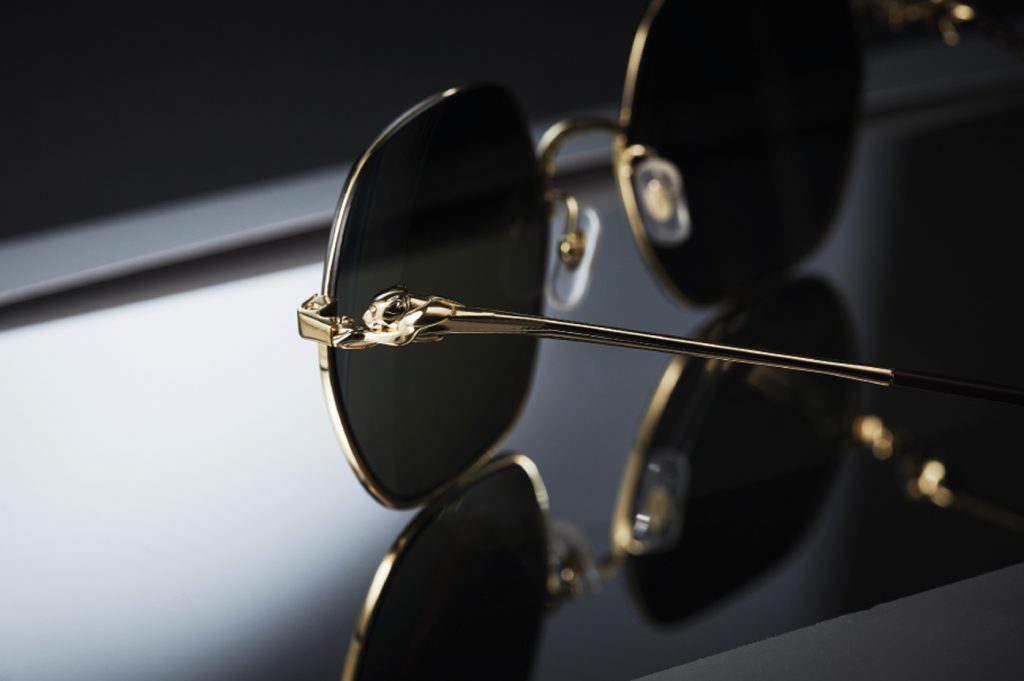
Visottica Group is one of the leading players in the international eyewear components industry. Through a strategy of targeted acquisitions, it has gained technological capabilities in the production of components for its primary customer base in the eyewear and fashion markets. The company also sees growth potential in many other sectors, including the mechanical, automotive and industrial markets.
At the centre of Visottica Group’s technological capabilities is Metal Injection Moulding, which sits within an integrated workflow from mould manufacturing to finishing. By pursuing its goal of providing an increasingly complete and streamlined service, the group is expecting that a synergy of competencies and technologies focused on the production of complex, customised components across all the stages of the workflow will bring continued growth.
Strategically placed close to the famous eyewear district of Belluno, the group’s parent company, Visottica Industrie S.p.a., has been producing customised components for frames, high-end fashion accessories and mechanical components since 1947. Over the years, the group has devoted considerable time and effort to including different stages of the production chain under the same brand, building a unique manufacturing culture.
A key step in this process was the acquisition of Ookii and Matrix in 2017. Matrix was one of the first companies in Italy to employ MIM in the production of small, high-volume components with complex geometries. Matrix was acquired by Okii, a company specialised in the manufacturing of metal moulds, the cold forming of titanium, nickel silver, steel and aluminium components, and the die casting of zamak and more. In the same year, both companies became part of the Visottica Group.
The group’s campaign continued in 2021, with the acquisition of over 50% of Eurodecori, another company in the Belluno district specialising in the production of zamak components. Most recently, in November 2022, the group acquired a 60% share of Ethos S.r.l. to integrate galvanic processes into its in-house capabilities.
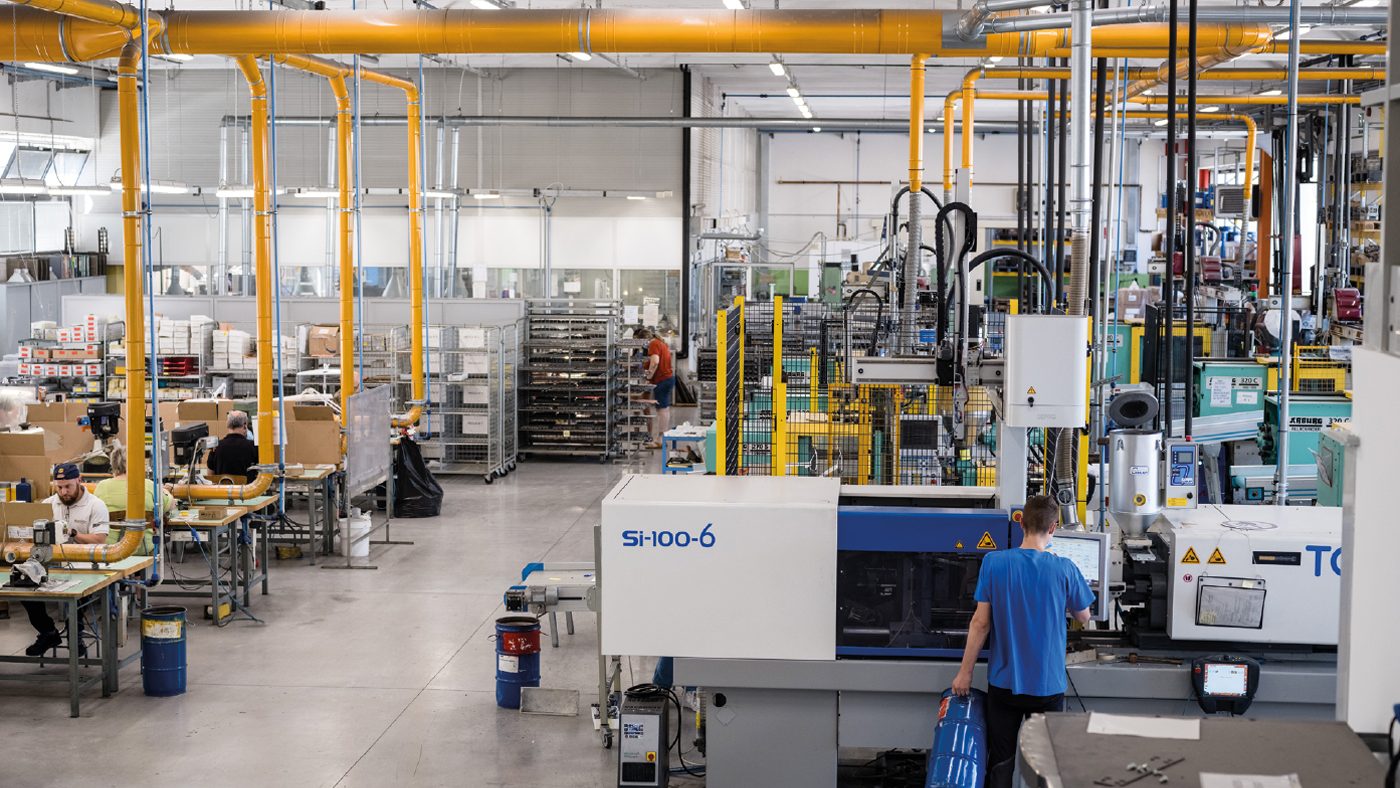
With the addition of Okii and Matrix to the Visottica Group, the potential of MIM could be fully explored and utilised. This allowed Visottica Group to deliver services as a whole rather than as a ‘sum of components.’ The benefits could be seen through the leveraging of upstream and downstream processes as well as through enhanced design capabilities and expertise. As a result, Visottica Group now offers its customers complete support from the design phase to the finished product. A view of Visottica’s Matrix s.r.l. production floor is shown in Fig. 2.
Technological capabilities and expertise
As a manufacturing process, MIM is now highly valued, especially for small, customisable components for specific – usually high-end – applications. This is due to the mechanical properties that can be achieved, comparable to the machined from stock equivalents, as well as the ability to deliver components of such high structural complexity that they would be either highly expensive or impossible to make using other processes. However, MIM, like every other manufacturing technique, does not exist in isolation: it is a link in a chain. “Around the MIM workflow are other processes that require specialised knowledge and technologies. Bringing these processes together into an integrated workflow represents a leap forward in which strengths and services can be offered,” explained Marco Bordin, MIM and Casting Plant Manager.
For Visottica Group, the keyword is integration. Integration in this case comes from the merging of companies with very different specialities and, consequently, the bringing together of people with a diverse range of specialisations, knowledge, and expertise. “We believe that such diverse teams multiply our design capabilities and technical skills and, most importantly, enable us to take into account – and, therefore, have greater control over – the entire process chain, from start to finish,” continued Bordin.
“Having these human resources in strict communication with each other and in house, as opposed to relying on external companies and third parties, results in a more precise and coherent vision of the whole process that can more readily adapt to the requirements of the end product.”
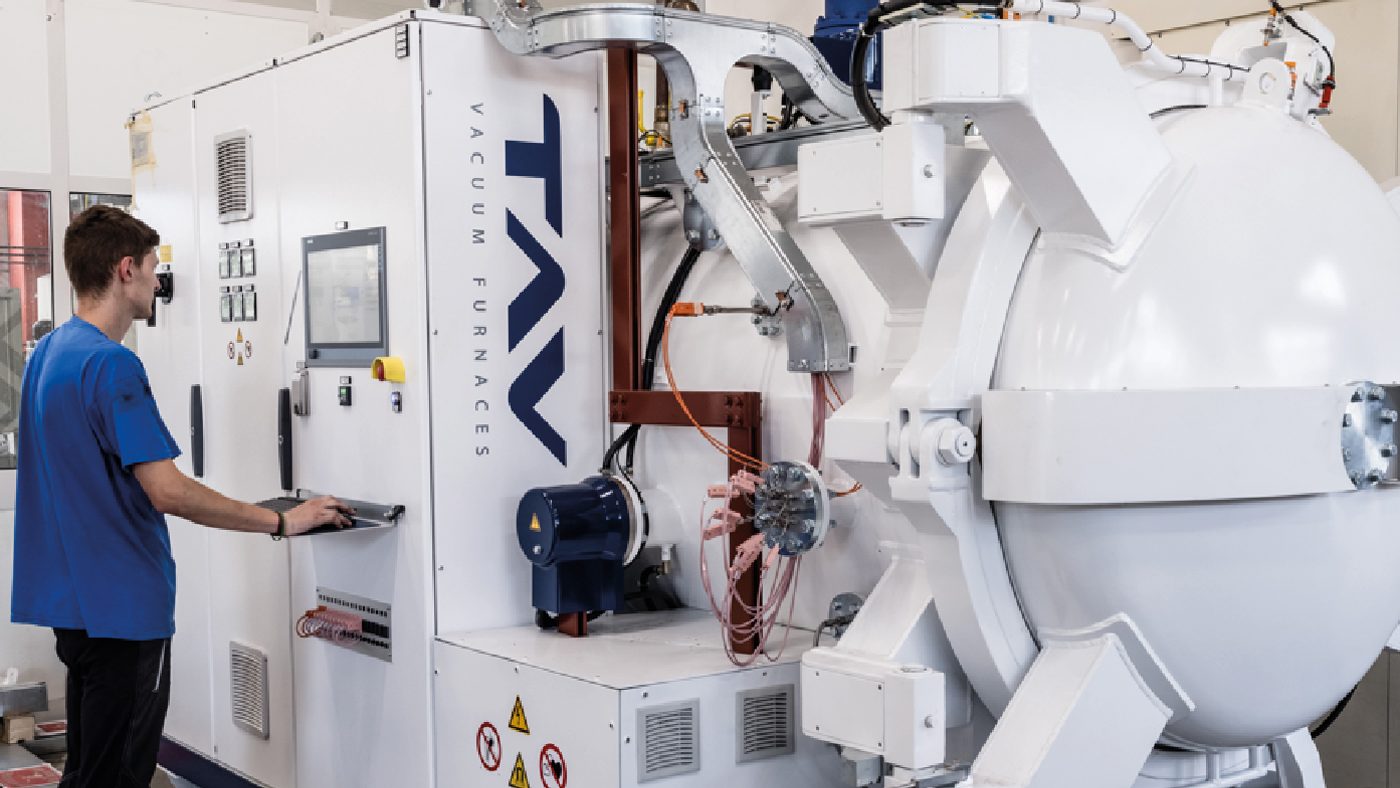
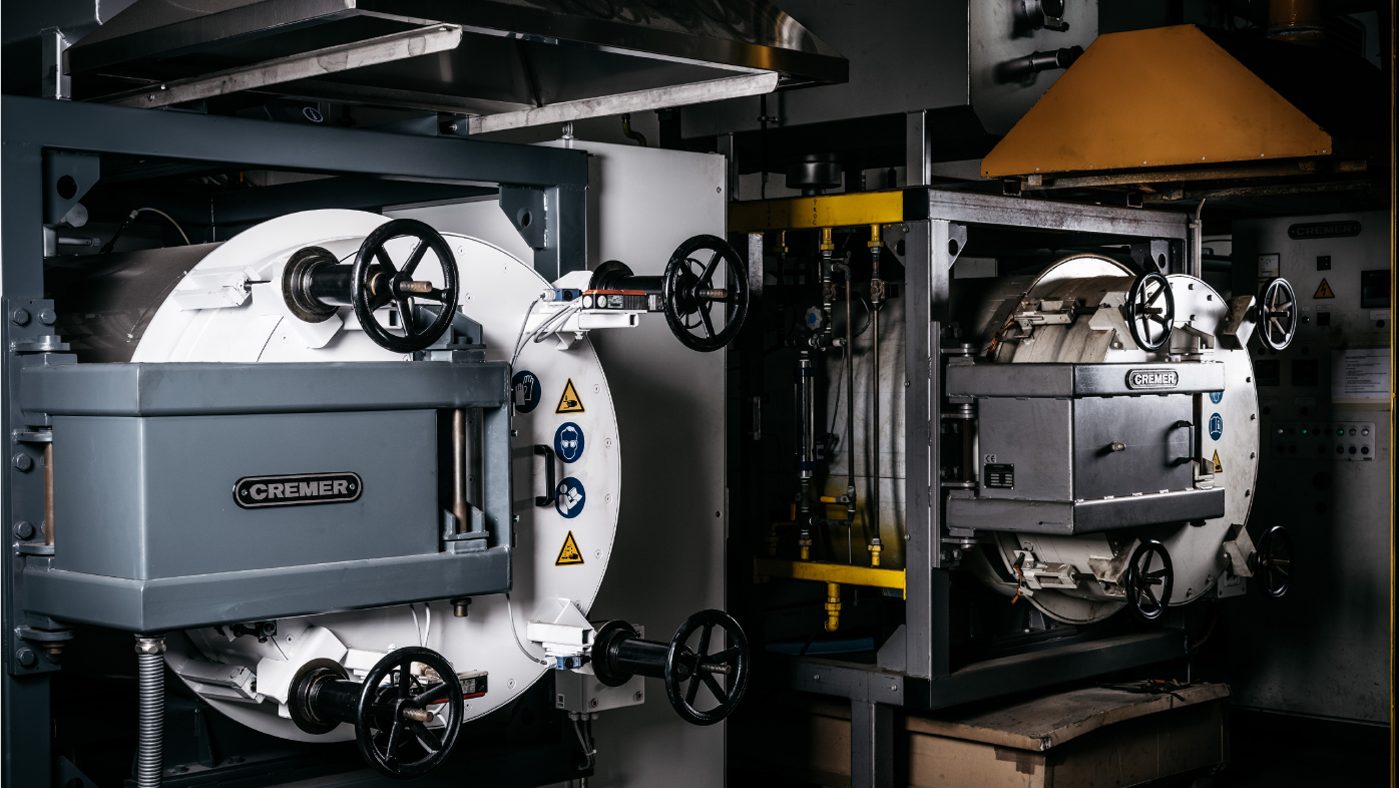
Integration, the company believes, also ensures a seamlessness among the actual technical resources brought to the table. Surrounding MIM processes are mould manufacturing technologies, CNC machining of sintered parts, surface coatings and treatments such as galvanisation, and other finishing procedures. “Each of these processes is critical to ensuring the end product is as optimised as possible. Designing a mould according to the exact specifications of the required piece will determine its dimensional requirements, which is as crucial as successfully executing the sintering and debinding operations. Finally, post-processing is necessary to ensure that the aesthetic criteria of the product are met. All of this is taken care of internally within Visottica Group facilities,” stated Bordin.
The advantages of integration
Visottica stated that the integration of different assets within the group allows it to broaden its offering beyond what a single company could achieve. “A company such as Matrix would work simply as a supplier, receiving the design from the client and delivering a semi-finished product. This product would then have to undergo post-processing, and whatever else might be needed, externally. But when every process, from moulding to finishing, is done internally, the synergy of technologies, competencies and collaboration between departments allows for a greater understanding and control over the many stages of the workflow,” Bordin noted. This, in turn, leads to higher precision, quality, cost-effectiveness and shortened production times.
Within the group, the engineers making the moulds that are needed for an application work in the same room – often on the same workbench – as the ones who manage the injection moulding. This is a kind of proximity that is not only physical, but one of ideas too. Lead times are drastically reduced, and customer responsiveness is increased. This is especially important in the world of fashion, where time is of the essence. In addition, having the know-how and technologies in-house eliminates many of the logistical challenges involved in transporting products between businesses.
“Cooperation between the mould manufacturing department and the MIM department means that production cycles can be optimised, and problems can be solved much more quickly. On a more basic level, working together in real-time necessarily leads to the development of an optimised mould and makes it easier to prevent defects. This increased precision of the mould means that, after galvanisation and other finishings, the piece can achieve a higher degree of quality,” explained Bordin.
Quality is also ensured by the analysis and testing facilities available in the laboratory. Whilst dimensional and aesthetic inspections are in high demand because of the aesthetic requirements of eyewear components, Visottica has recently invested in equipment for metallographic analysis, including carbon analysers to support the testing of mechanical properties, corrosion resistance, and leaching.
To attest to the increased efficiency of its production chain, the group has received the Supplier Awards 2022 from Thélios, a specialist eyewear firm. The award recognised both technical capabilities as well as the speed of response to a component with particularly complex geometries that was completed over the course of one month.
Customer service: a better offer
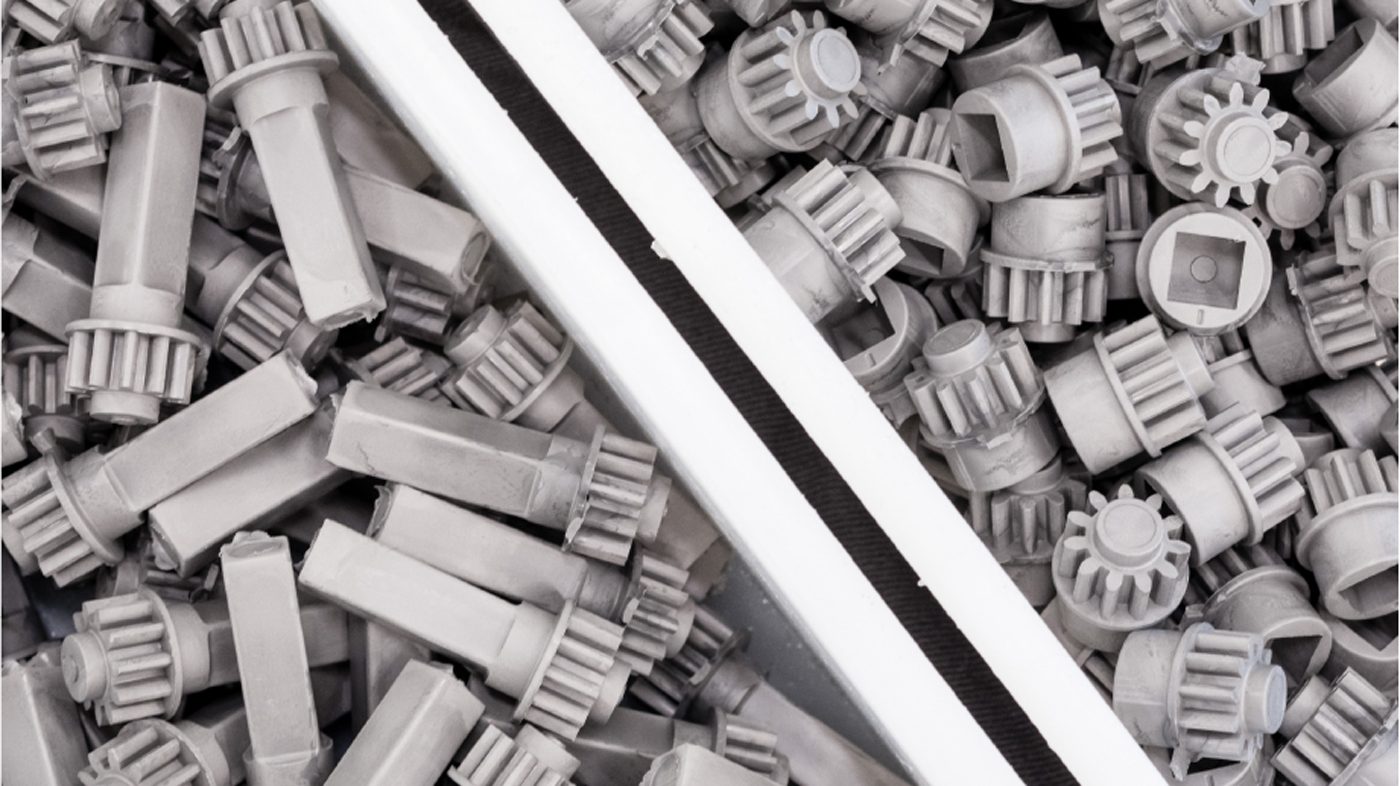
With its broader range of technologies, Visottica Group believes that it is able to provide a wider and more well-rounded service. “Clients can choose from a variety of materials such as steel, aluminium, titanium and zamak, and from manufacturing processes such as die casting, micro-casting, plastic injection, stamping, CNC machining and MIM. This way, products can be adapted to the needs of the client. For example, a zip puller might be produced by either die casting or by MIM, depending on the requirements. Although die casting in zamak might be cheaper, MIM delivers a more high-end and targeted product, because it can achieve very high-quality surfaces,” stated Bordin.
As well as providing a broader choice for clients, the integration of different teams also means improved dialogue, both with clients and within the group, opening up further possibilities for improvement. “While individual companies would be limited to sticking to the specifications of the initial design and providing the product, the group can take advantage of the heterogeneity of its competencies to evaluate the design from different angles, stated Bordin. “This allows us to find out whether a component could be optimised and/or made more cost-effective. Therefore, the group can work with the client to suggest changes or offer an alternative design by taking into account not only the single component requested but the whole project of which the component will become a part.”
Consolidating multiple individual components into a single assembly – such as a hinge – ready for shipping to a customer is a key part of operations at Visottica. “Having all resources available in-house allows the production of assemblies manufactured with different technologies, without resorting to third parties. A client might need one component by MIM and one by CNC. If the two components were obtained from separate companies and subsequently brought together into the assembly, the client cannot be sure that it will function correctly. This risk can be avoided when the whole product is made and assembled by the same group.”
Visottica’s innovative design solutions are frequently patented. In these cases, the group’s patent office evaluates the possibility of obtaining the patent. In this way, Visottica can offer a full package: the client is accompanied from the design phase through production, post-processing, through material testing to patenting.
Conclusion
In the past few years, Visottica has worked with a growing number of customers from different sectors. As the company continues to work to increase its expertise in the eyewear sector, it now has all of the tools necessary to develop complex components for other sectors. For example, the luxury fashion market is a perfect fit for MIM, thanks to the technology’s suitability for highly precise, complex shapes and the ability to efficiently use materials with specific properties. In the context of this expanding industrial market, MIM has become a fundamental asset. It is for this reason that Visottica continues to invest in MIM and why further efforts are constantly being made to meet the demands of different markets.
A policy of strategic acquisitions has shown that a group effort is much more likely to overcome challenges than individual companies on their own. In a sector that is all about precision, responsiveness and aesthetics, a collaborative enterprise that enables control over the entire workflow, with all the forces working practically under the same roof, is bound to deliver.
Through this cohesiveness of vision and integration of assets, Visottica plans to keep growing and striving to provide the most comprehensive a customer experience as possible.
Contact
Visottica Industrie S.p.a.
Via Vecchia Trevigiana 11
31058 Susegana (TV),
Italy
[email protected]
www.visotticagroup.com/en/product-catalogue/precision-mechanics/
Author
Luca van der Heide
[email protected]