

Abbott Furnace explains how to return furnace systems to operation following downtime
Abbott Furnace Company, St. Marys, Pennsylvania, USA, has issued advice on important steps for furnace operators to consider to ensure a successful return to operation for equipment that has been turned off for a period of time, reports ASM International.
Abbott Furnace Company is an industrial furnace manufacturer with over thirty-five years of experience designing and producing industrial continuous furnaces. It is also a producer of industrial sintering furnaces, annealing furnaces, tempering furnaces, brazing furnaces, heat treat furnaces, steam treat furnaces, industrial ovens, and speciality furnace products.
The recommended steps for returning furnace systems to operation include:
- Reference the manufacturer supplied manual for specific information regarding the re-starting of the equipment.
- Be sure that water is flowing to all of the cooling chambers of the furnace.
- Check that the belt is on and moving smoothly through the furnace. Watch for jerking or jumping of the belt that would indicate an issue with the drive or pathway through the furnace.
- Enable the ramp mode in your controls to limit the heating rate of each zone to 55°C (100°F) per hour or less. If the furnace does not have a ramp mode, be sure to manually adjust the set-points of each zone to ensure it does not exceed the suggested ramp rate.
- Once the furnace reaches 150°C, purge the furnace with nitrogen and allow the nitrogen to flow as the furnace continues to heat up.
- When the zones of the high heat section of the furnace are above 760°C, combustibles may be introduced and the furnace can continue to be ramped to the final processing set-points, once the pilots are ignited.
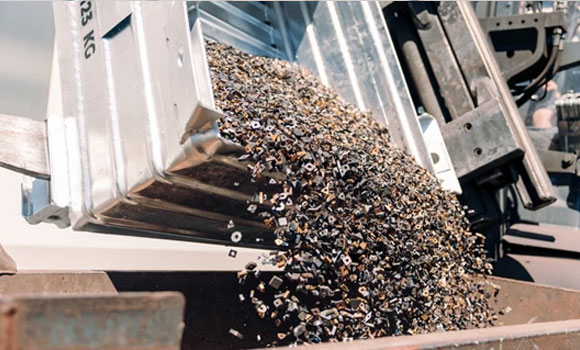
- Allow the furnace atmosphere to re-condition the furnace, clean the belt, and stabilise. A little trick – loading scrap metal that is free of oils, grease, and rust will help the furnace to ‘clean up’ and stabilise.