

Ceratizit highlights recycling role in tungsten supply security
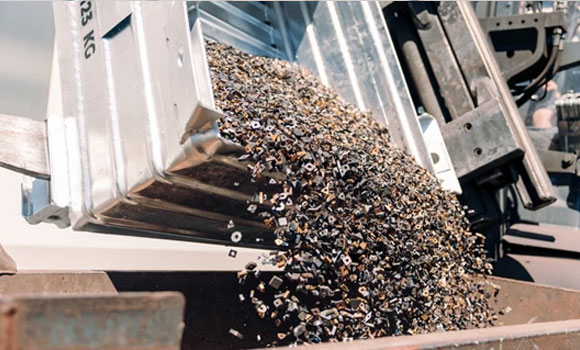
Ceratizit, part of the Plansee Group headquartered in Mamer, Luxembourg, has highlighted the role of recycling and supply-chain integration in securing long-term tungsten supply, following renewed calls from the European Cutting Tools Association (ECTA) to strengthen Europe’s tungsten recycling infrastructure.
TRUSTED BY INDUSTRY’S BIGGEST NAMES
Discover how we help leading brands shape the industry conversation
| Contact us |
Speaking at the European Cutting Tools Conference (ECTC) in Graz, Austria, the ECTA warned that securing tungsten supply has become an increasingly important issue for Europe’s metalworking sector. The association stated that recycling cemented carbide and retaining tungsten-containing scrap within European processing networks will be essential to maintaining supply security and industrial competitiveness.
According to ECTA, China continues to account for more than 80% of global tungsten production and processing, while approximately half of the cemented carbide used in Europe is already derived from recycled material. However, the association cautioned that Europe’s recycling systems are under increasing pressure and called for greater investment and coordination across the value chain.
Ceratizit stated that its approach to supply security is based on a fully integrated tungsten value chain within the Plansee Group, encompassing powder production, carbide manufacturing and finished cutting tools. The company believes this structure provides greater control over key production stages and reduces exposure to short-term market fluctuations.
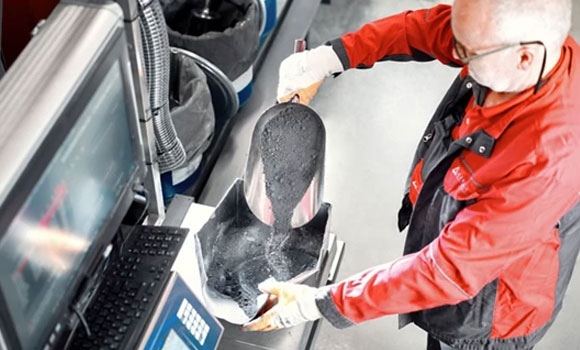
A key element of this strategy is the recovery and recycling of tungsten-bearing scrap. Through its subsidiary Stadler Raw Materials, which the company states is Europe’s largest collector and trader of tungsten scrap, tungsten-containing materials are collected and directed into established recycling routes within Western markets.
“We systematically collect and sort tungsten-bearing scrap across Europe and channel it into our Western recycling network,” stated Andreas Lackner, member of the Ceratizit Group Executive Board.
The company reported a tungsten recycling rate of more than 90% during fiscal year 2024/25 and stated that increasing the use of secondary raw materials helps reduce dependence on primary tungsten sources.
“Ceratizit manages a fully integrated value chain – from powder production to carbide manufacturing and finished tools – complemented by advanced recycling capabilities,” added Oliver Sax, member of the Ceratizit Group Executive Board.
ECTA President Federico Costa emphasised the growing importance of recycling within Europe’s tungsten supply chain, stating, “Recycling is now decisive: returning cemented carbide to the European cycle is a key lever for supply security and competitiveness.”
Ceratizit also stated that it sources raw materials through Responsible Minerals Initiative (RMI)-conformant smelters and applies a Supplier Code of Conduct intended to support traceability and responsible sourcing requirements.
The company believes that combining recycling infrastructure, processing capabilities and supply-chain transparency can help customers address increasing raw-material volatility and evolving traceability requirements.