

Industrialising titanium: MTIG’s strategy for scalable, cost-competitive precision MIM and AM
Located at the heart of South Korea’s advanced manufacturing ecosystem, MTIG represents a new model for titanium industrialisation that goes far beyond conventional MIM-Ti parts production. By vertically integrating proprietary Hydride-Dehydride (HDH) powder production, Metal Injection Moulding, and Additive Manufacturing, MTIG delivers cost-competitive, high-precision titanium at scale. In this article, Professor Dr Jai-Sung Lee interviews MTIG’s founder and CEO, Dr Ji-Hwan Park, to explore the technologies, vision, and full-cycle innovation that set MTIG apart within the global MIM industry. [First published in Powder Injection Moulding International Vol. 20 No. 1, Spring 2026 | 10 minute read | View on Issuu | Download PDF]
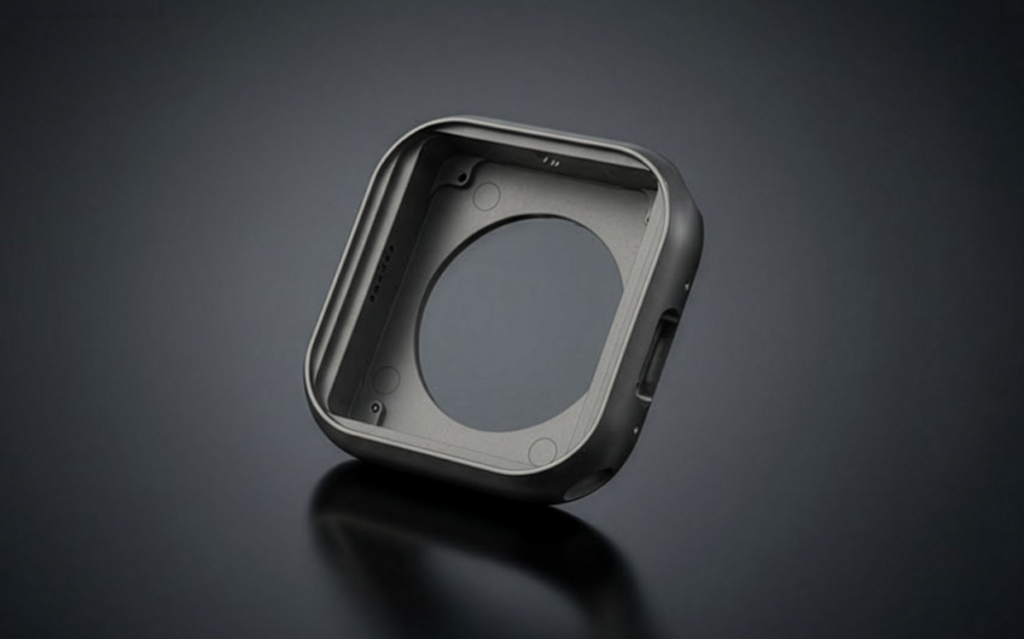
Across multiple industries, from consumer electronics and robotics to medical devices and energy systems, manufacturers are under increasing pressure to deliver lighter, stronger, and more durable products while maintaining cost efficiency and high-volume production capability. Titanium offers an exceptional combination of material properties to meet these demands; however, its adoption beyond specialist applications has long been constrained by complex processing routes, high material costs, and fragmented supply chains.
As global manufacturing transitions toward high-mix, high-volume precision production, the limitations of conventional titanium processing have become more pronounced. Subtractive machining remains slow and waste-intensive and is poorly suited to the mass production of complex geometries, while reliance on externally sourced powders and alloys introduces cost volatility and restricts design flexibility. Addressing these structural challenges requires not incremental process optimisation, but a fundamentally different approach to materials control and manufacturing integration.
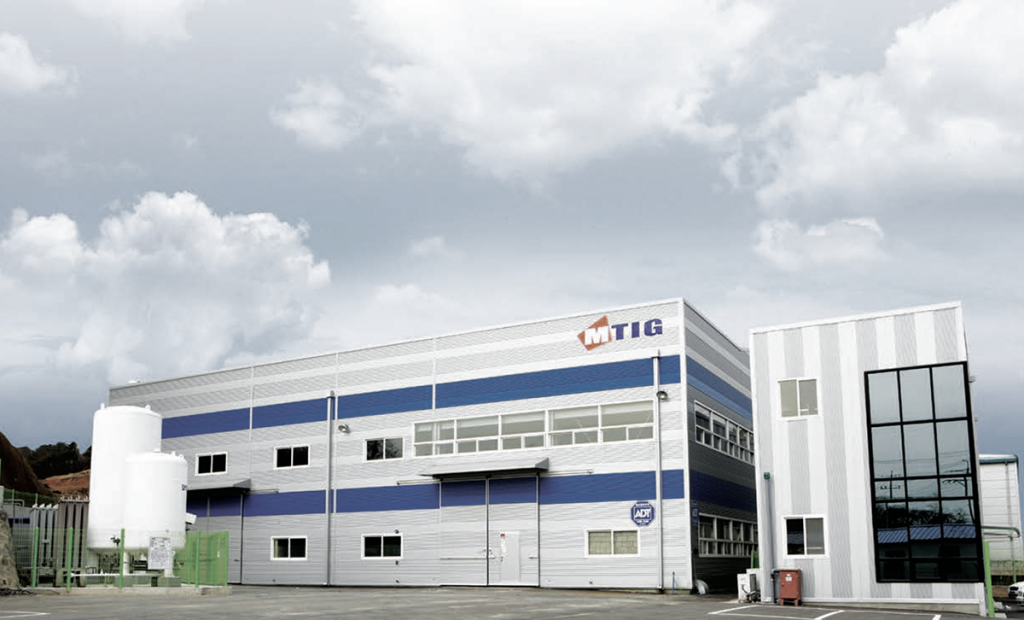
Located in Gyeonggi Province, Republic of Korea – an industrial region that hosts global conglomerates such as Samsung, Hyundai Motor Group, SK, and LG – Material Technology Innovation Group (MTIG)’s Hwaseong manufacturing facility has become a key hub for the nation’s titanium materials and components industry. The surrounding ecosystem, shaped by high-volume electronics, automotive, and precision engineering, places strong emphasis on scalable production, consistent quality, and cost competitiveness.
Within this environment, MTIG operates modern production facilities equipped with fully integrated process lines dedicated to titanium applications. The Hwaseong plant supports an end-to-end value chain, spanning the production of Metal Injection Moulding-grade titanium powder through to the manufacture of finished precision components. This vertically integrated structure provides the foundation for the industrialisation and wider adoption of titanium materials across South Korea.
A core pillar of MTIG’s technological capability is its proprietary titanium powder production based on the Hydride-Dehydride (HDH) process, a technology developed by the company’s founder and CEO, Dr Ji-Hwan Park, during his doctoral research. Since the company’s establishment in 2006, MTIG has maintained a consistent materials-first strategy, with sustained investment in proprietary materials development, process control, and manufacturing expertise.
Against this backdrop, Professor Dr Jai-Sung Lee interviewed Dr Park to examine the technological milestones, manufacturing philosophy, and long-term vision that have shaped MTIG’s evolution into a fully integrated titanium manufacturing enterprise focused on scalable precision and cost-competitive production.
Mass production of titanium precision components via Metal Injection Moulding
For titanium to move beyond specialist applications in aerospace and high-end medical devices into everyday products, two fundamental barriers must be addressed: cost competitiveness and mass production capability. MTIG adopted Metal Injection Moulding as its core manufacturing route specifically to overcome both challenges.
Reflecting on the origin of this strategy, Dr Park explained: “The starting point of all technological progress was securing titanium powder produced through the HDH process developed during my doctoral research, which enabled the formulation of feedstock optimised for MIM.” Building on this foundation, MTIG has developed proprietary feedstock manufacturing technologies not only for commercially pure titanium (CP Ti), but also for titanium alloys incorporating a wide range of alloying elements.
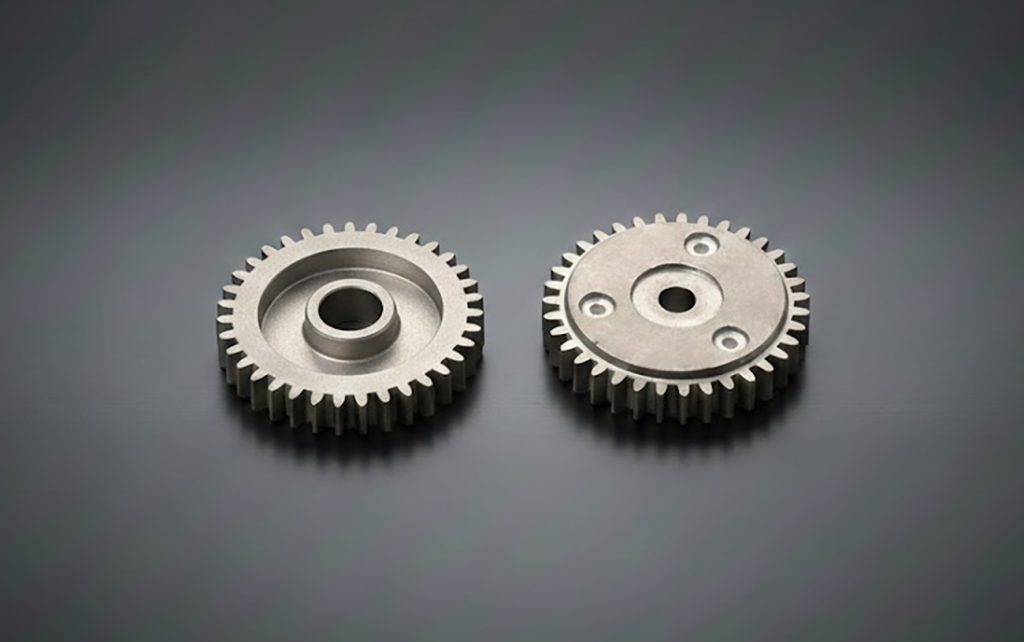
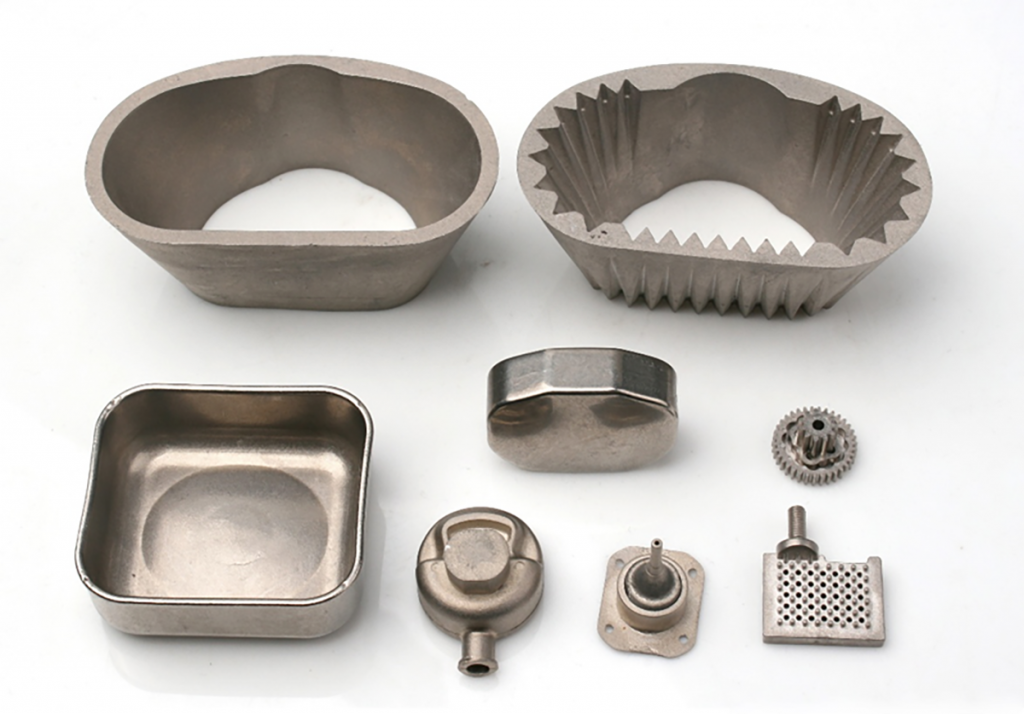
MTIG’s feedstock is injection moulded into high-precision tools, enabling the efficient production of complex geometries that are difficult or uneconomical to realise using conventional machining. This approach overcomes the inherent ‘one-by-one’ time limitations of CNC machining; through the use of multi-cavity moulds, dozens of precision components can be produced simultaneously in minutes.
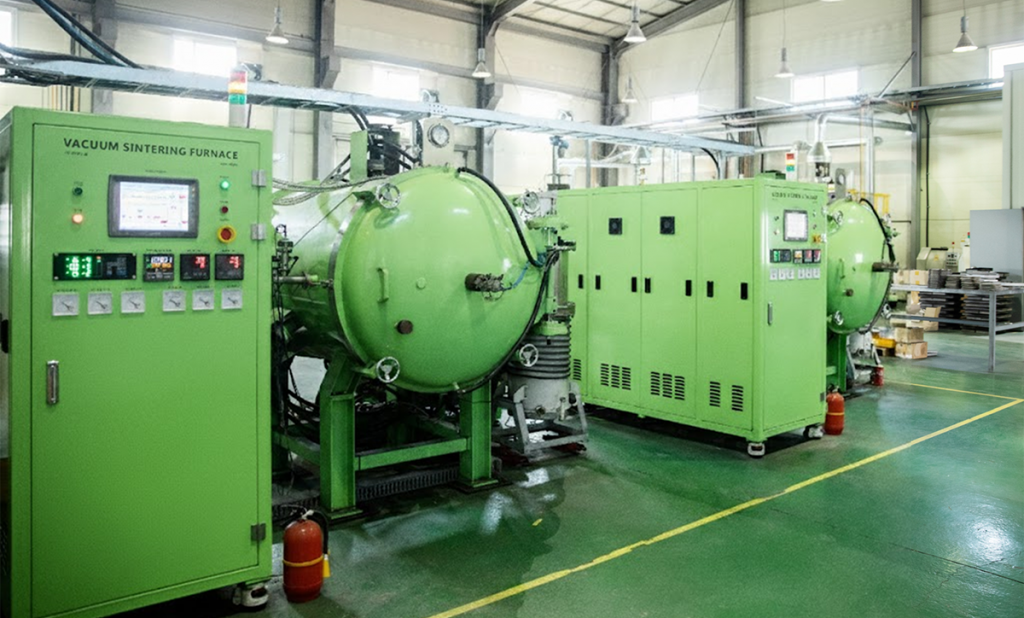
Following injection moulding, the green parts undergo a controlled debinding process to remove polymer binders, after which they are vacuum sintered at temperatures exceeding 1,200°C to consolidate the powder particles. During sintering, MTIG exercises micron-level control over dimensional shrinkage, ensuring the stable production of high-density, high-precision final components.
Components manufactured under these tightly controlled conditions exhibit excellent material properties and dimensional accuracy. “By establishing a full-cycle process – from raw material production using the HDH process through to final product manufacturing via MIM – MTIG’s technology is breaking the conventional boundaries of the titanium materials industry and creating new value,” Dr Park emphasised.
High-quality titanium powder manufacturing
Titanium is lighter than steel and more corrosion-resistant than stainless steel, earning its reputation as a ‘dream metal’ across a wide range of applications. However, its high strength and low thermal conductivity make it difficult to process efficiently using conventional subtractive manufacturing routes such as cutting and grinding, limiting productivity and increasing cost in component production.
For powder-based manufacturing technologies, titanium powders are commonly produced using gas atomisation routes such as Electrode Induction Gas Atomisation (EIGA) and Vacuum Induction Gas Atomisation (VIGA), as well as plasma-based processes. These powders – particularly in spherical form – are widely used in both Metal Injection Moulding and Additive Manufacturing, offering good flowability and packing characteristics.
However, for high-volume, cost-sensitive applications such as MIM, powder economics, yield, and compositional flexibility become decisive factors. Gas- and plasma-atomised powders are typically associated with high capital and energy costs, limited utilisation of machining scrap, and less flexibility for rapid alloy composition adjustment, all of which can constrain large-scale industrial deployment.
To address these structural challenges, Dr Park developed MTIG’s proprietary HDH process as a complementary and alternative powder production route. By leveraging controlled chemical reactions rather than solely thermal atomisation, the HDH process enables the efficient production of titanium powder from titanium sponge, scrap, and chips, establishing a cost-effective, scalable, and resource-efficient powder supply system tailored to MIM and related powder-based processes.
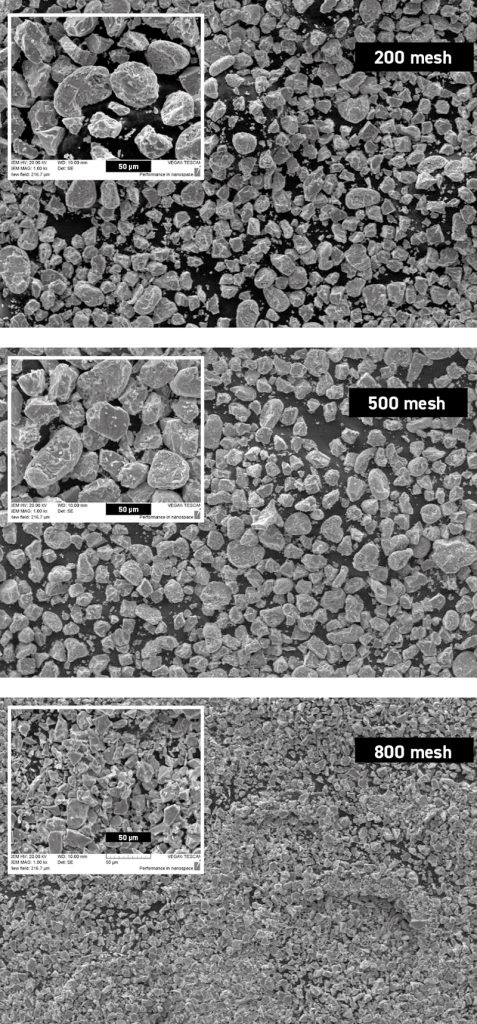
Explaining the principle of the HDH process, Dr Park noted, “The HDH process overcomes the physical limitations of titanium by inducing chemical property changes. When high-purity hydrogen is introduced under precisely controlled temperature conditions to titanium scrap, chips, or sponge, its atoms penetrate the titanium crystal lattice, transforming it into brittle titanium hydride (TiH2). This titanium hydride is brittle like glass, enabling selective crushing and classification into fine powders on the order of several microns (µm), as well as coarser powders in the hundreds of micrometres. Subsequently, hydrogen is removed through a dehydrogenation step under high-temperature vacuum conditions, resulting in chemically stable titanium powder with minimal impurities.”
Titanium powders produced via the HDH process are used across MTIG’s conventional Powder Metallurgy operations and form the basis of its Metal Injection Moulding activities through the formulation of proprietary feedstocks combining titanium powder with polymer binders. Where required, coarser HDH powders are further processed to optimise morphology for Additive Manufacturing, allowing MTIG to deploy multiple powder technologies within a unified manufacturing ecosystem.
Production of spherical powder for AM via radio‑frequency (RF) plasma spheroidisation
MTIG adopts a strategy of utilising 100% of the titanium powder produced through its HDH process, minimising material waste while maximising downstream manufacturing flexibility. Fine powders below approximately 20 μm are allocated to Metal Injection Moulding feedstock production, while coarser powders above this threshold are processed into spherical powders suitable for Additive Manufacturing using radio-frequency (RF) plasma spheroidisation.
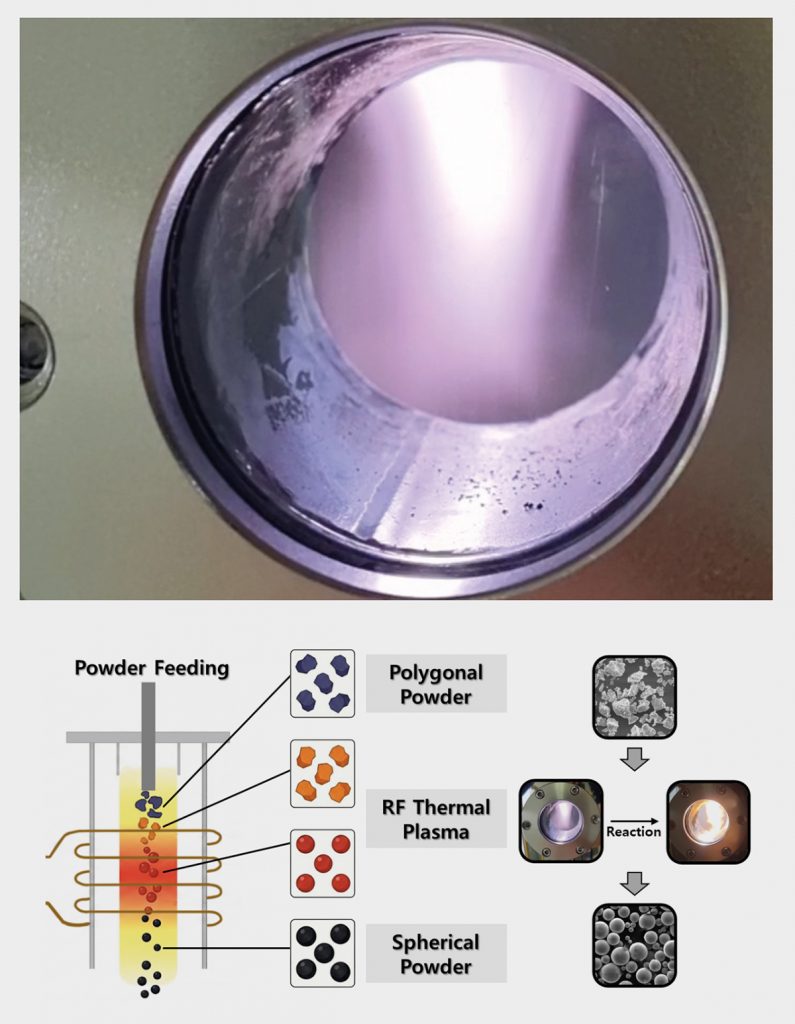
HDH-derived titanium powders typically exhibit a polygonal, irregular particle morphology. While well suited to MIM, such non-spherical particles can have reduced flowability, leading to lower powder packing density and an increased likelihood of defects in AM processes that rely on uniform powder spreading and deposition.
Within the RF plasma system, size-classified titanium powder is rapidly melted in a zone where the plasma temperature exceeds 10,000°C. During free fall, the molten droplets adopt a spherical geometry under the influence of surface tension before rapidly solidifying. This process promotes the release of internal microporosity, producing spherical powders with near-theoretical density.
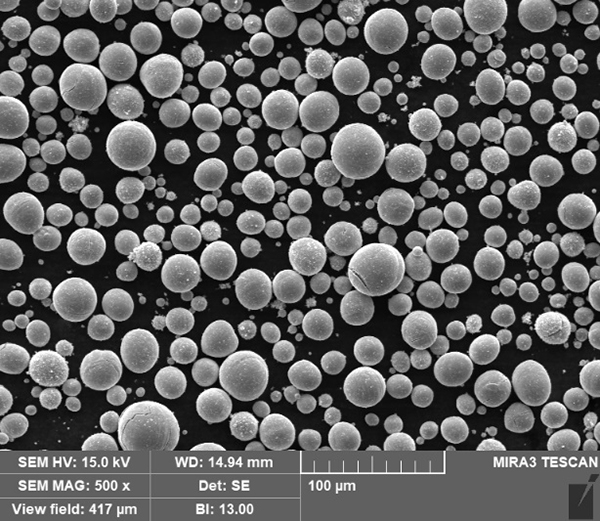
The resulting powders exhibit excellent flowability – often compared to that of dry sand – enabling stable powder-bed formation and consistent layer deposition in Additive Manufacturing processes. By applying RF plasma spheroidisation directly to HDH-derived powders, MTIG is able to produce AM-grade spherical powders with significant cost and process efficiency advantages compared to gas and plasma atomisation processes.
Recycling technology and closed-loop titanium resource circulation
During conventional machining of titanium components, chips are exposed to elevated temperatures and mechanical stress, leading to significant oxygen pickup. This increase in oxygen content degrades the mechanical properties of titanium, rendering such scrap difficult to recycle using conventional remelting or powder production methods. In many machining-intensive processes, scrap can account for up to 90% of the original raw material input.
To overcome this, MTIG developed a proprietary deoxidation-based recycling technology. The process induces controlled deoxidation reactions between high-oxygen titanium scrap, magnesium, and hydrogen gas, enabling the recovery of titanium powder with desirable chemical and mechanical properties. When integrated with the HDH process, this technology allows recycled material to be converted into high-quality titanium powder suitable for Powder Metallurgy and Additive Manufacturing applications.
This recycling capability establishes a closed-loop resource utilisation system in which machining waste is transformed into high-value strategic materials. Beyond reducing material loss, the approach enhances resilience against raw material price volatility and supply-chain disruptions, reinforcing MTIG’s broader strategy of cost control, sustainability, and supply-chain independence.
Market areas for MTIG’s MIM expertise
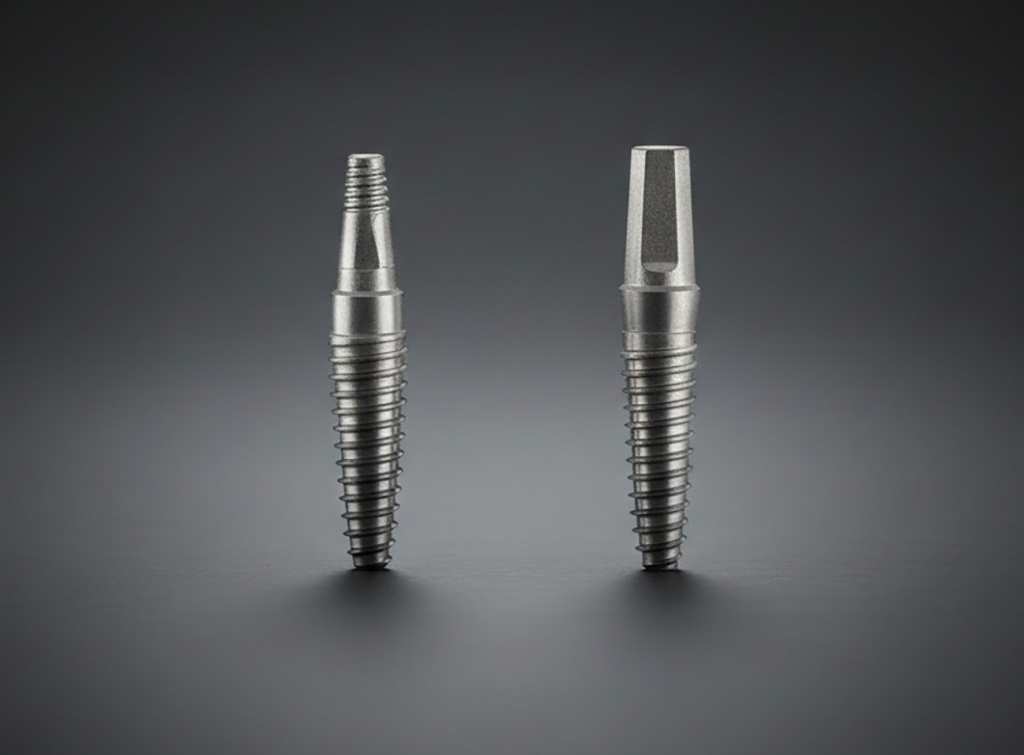
MTIG produces titanium MIM components for a wide range of industries, including medical and dental implants as well as precision IT applications. In the dental implant sector in particular, the company’s technologies have earned strong trust for their dimensional accuracy, material consistency, and biocompatibility. MTIG supplies leading dental implant manufacturers worldwide, including DIO Implant Co, Ltd. and MegaGen Implant Co, Ltd, and is widely recognised for its reliability and quality performance within the medical device industry.
Building on this foundation in highly regulated markets, MTIG is progressively expanding its MIM applications into everyday consumer products. In the lifestyle sector, MTIG uses MIM to produce ergonomic titanium massage tools (gua sha), a flagship product in South Korea’s beauty industry. These products combine titanium’s naturally cool feel and antibacterial properties with the design freedom afforded by MIM. Beyond consumer applications, MTIG also produces a range of high-value components, including electrode tips for precise electrical signal transmission and premium titanium jewellery, where controlled oxide-layer formation is used to achieve distinctive surface colours.

A recent case study illustrates the upper limits of MTIG’s MIM capability. To commemorate Disney’s 100th anniversary, BLITZWAY, which holds a licensing agreement with Disney, commissioned MTIG to develop and produce a limited-edition Mickey Mouse figure manufactured entirely from titanium. The figure, which measures approximately 100 x 100 x 180 mm, weighs around 480 g, and uses ratchet joints to replicate a range of movements from the original animation. MTIG employed its high-precision MIM process to manufacture the required micro-components, which were then assembled to tight mechanical tolerances. The project attracted significant global attention, not as a novelty item, but as a demonstration of what is achievable when complex design requirements and precision mass production are combined.
Reflecting on the project, Dr Park stated, “Successfully achieving mass production of such complex and delicate three-dimensional forms using titanium – a notoriously difficult material to process – is a testament to the fact that MTIG has reached the pinnacle of precision micro-component manufacturing. It was a deeply rewarding milestone.”
Building on this experience, Dr Park outlined plans to further expand MTIG’s presence in high-value markets that demand extreme precision and design fidelity, including premium collectables and character merchandise.
Opportunities in consumer electronics and robotics
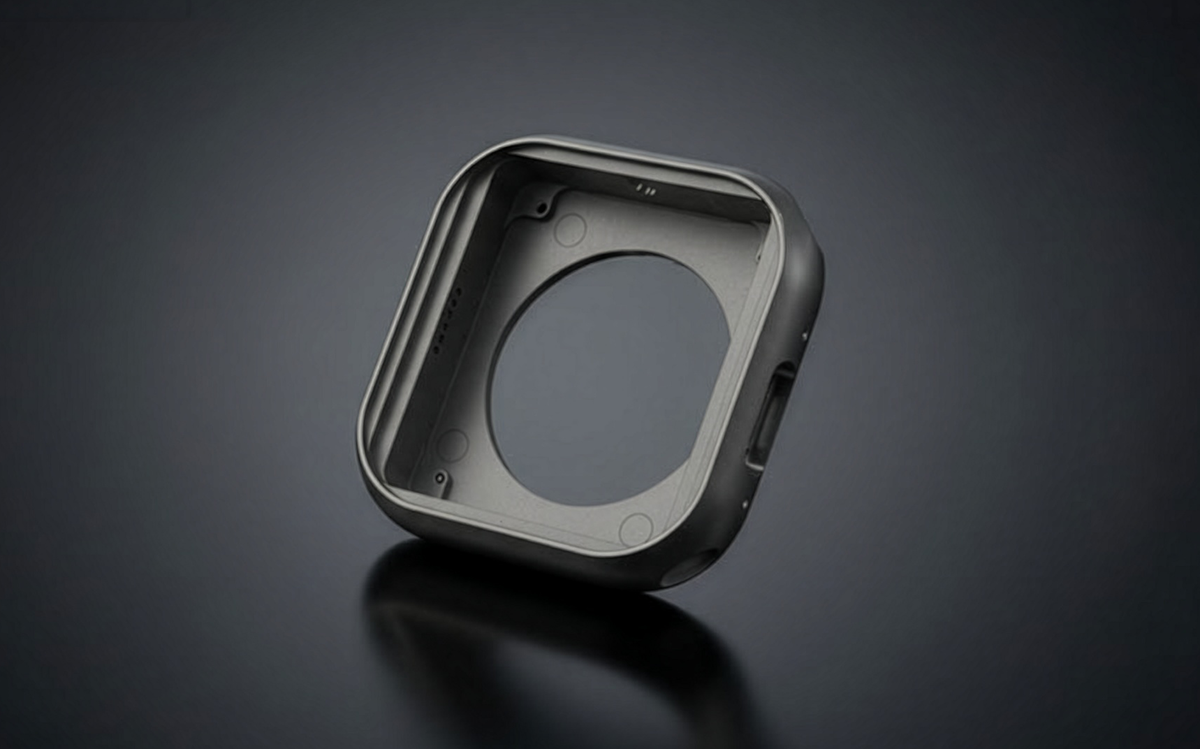
MTIG’s successful mass production of titanium components such as laptop housings, iPhone camera frames, and smartwatch cases – key products within the global consumer electronics market – demonstrates the viability of titanium for high-volume applications. These programmes highlight how titanium’s low density, high strength, and premium surface finish can be leveraged to meet both functional and aesthetic requirements at an industrial scale.
Extending its expertise in micro-scale precision manufacturing, MTIG is also strategically expanding into the robotics sector, a core pillar of next-generation industrial development. A focal point of this effort is the ultra-miniature precision reducer, a critical enabling component for accurate robotic articulation and motion control.
By realising micro-reducer architectures that are not achievable through conventional complex machining, MTIG’s specialised manufacturing technologies support both the miniaturisation and performance enhancement of robotic systems. This capability positions the company to address emerging demands in advanced robotics applications, where precision, reliability, and scalable production are essential.
MTIG’s Additive Manufacturing developments
To further extend its precision component manufacturing capabilities beyond Metal Injection Moulding, MTIG employs Laser Beam Powder Bed Fusion (PBF-LB) Additive Manufacturing, utilising its internally produced, high-quality spherical titanium powders. This approach enables the fabrication of components with complex internal architectures and refined free-form geometries that are not achievable through conventional subtractive machining, complementing MTIG’s established MIM production platforms.
A key strength of MTIG’s PBF-LB capability lies in its comprehensive understanding of titanium powder characteristics, including chemical composition, particle size distribution, and sphericity. Rather than treating Additive Manufacturing as an isolated build process, MTIG integrates detailed powder data directly into process development, allowing manufacturing parameters to be optimised in alignment with intrinsic material behaviour.
Commenting on this approach, Dr Park explained, “By maintaining comprehensive data on our titanium powders – from chemical composition to physical sphericity – we have optimised critical processing parameters, such as laser power, scanning speed, and hatch spacing, to precisely match the material’s characteristics. This approach fundamentally reduces reliance on trial-and-error optimisation and mitigates the process instability that often affects Additive Manufacturing providers focused solely on the build stage.”
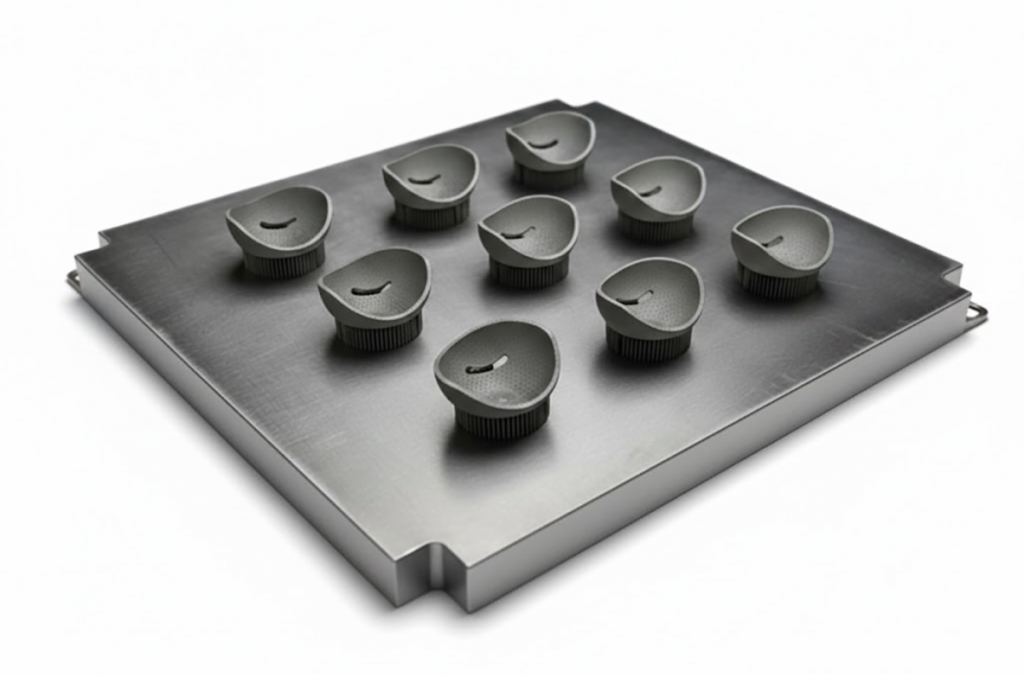
This integrated materials–process strategy enhances build stability, improves reproducibility, and shortens development cycles, providing practical advantages in both prototyping and low-to-medium volume production environments. Building on this, MTIG has achieved notable success in the veterinary medical sector. Through three-dimensional scanning and analysis of diverse animal bone structures, the company produces patient-specific implants (Fig. 11) and fracture fixation stems on demand, contributing to improved clinical outcomes and enhanced quality of life for companion animals. This capability extends beyond veterinary applications; the ability to manufacture complex, patient-specific implants directly from three-dimensional modelling data represents one of the most significant competitive advantages of MTIG’s Additive Manufacturing ecosystem.
MTIG’s vision for advancing titanium component industrialisation
MTIG’s long-term objective is to accelerate the broader industrial adoption of titanium by providing manufacturing solutions that deliver measurable advantages in cost, precision, and scalability. Building on its differentiated product portfolio and established mass-production infrastructure, the company is focused on forming strategic partnerships with customers seeking to deploy titanium in applications where conventional manufacturing routes remain constrained.
The company’s capabilities extend beyond the production of individual components. MTIG has established an integrated technological ecosystem in which machining scrap and process waste are recycled through the HDH process, in some cases further upgraded via plasma-based powder processing, and subsequently converted into high-precision components through the complementary application of Metal Injection Moulding and Additive Manufacturing. This closed-loop manufacturing system – linking raw material generation, component fabrication, and material regeneration – supports stable quality, competitive cost structures, and resilience against raw material price volatility and supply-chain disruption.
As this platform continues to mature, MTIG’s titanium components are being deployed across an expanding range of industrial sectors. In addition to mobile devices and medical implants, applications now include lightweight aerospace structures, high-strength drive components for robotics, and critical materials for emerging energy systems. In each case, titanium’s performance advantages are realised through manufacturing routes designed for industrial-scale deployment rather than niche production.
Guided by a sustained focus on materials engineering and process integration, MTIG continues to refine its approach to making products lighter, stronger, and more reliable in high-volume applications. As a titanium-specialised company, it maintains an open and collaborative partnership model, supporting customers across medical, IT, industrial, and consumer sectors. Beyond its role as a component supplier, MTIG increasingly operates as a manufacturing technology partner, translating customer concepts into robust, manufacturable solutions through integrated control of materials, processes, and production.
Contact
Dr Ji-Hwan Park
CEO
MTIG Co, Ltd
685-5 Seokpo-ri, Jangan-myeon, Hwaseong-si, Gyeonggi-do, Korea
[email protected]
www.mtig.co.kr
Author
Professor Dr Jai-Sung Lee,
Department of Materials and Chemical Engineering
Hanyang University-ERICA, Ansan, 15588 Korea
[email protected]