

Ceratizit highlights recycling-based tungsten supply chain
Ceratizit, part of the Plansee Group and headquartered in Mamer, Luxembourg, reports that its tungsten supply chain, based predominantly on recycled feedstock, gives the company control over key manufacturing steps and reduces reliance on short-term market fluctuations.

Ceratizit manages a fully integrated value chain, from tungsten powder to finished tools. A key factor is said to be a material feedstock that is independent of a single main source, such as China. The company operates a circular economy approach, and stated that it achieved a 91% recycling rate for tungsten in the 2024/25 fiscal year. This not only reduces the company’s dependence on primary raw materials, but also its carbon footprint.
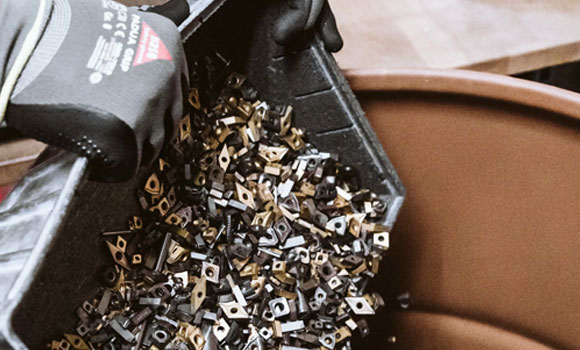
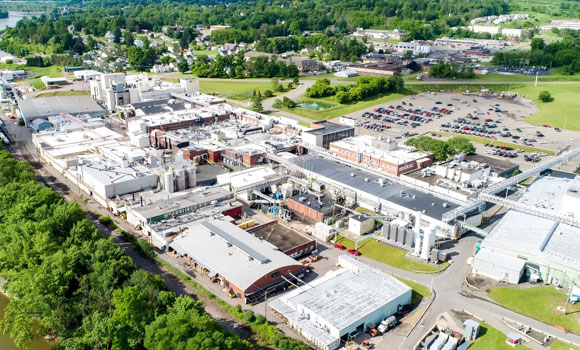
Recycling and repurchase play a central role, Ceratizit states, because tungsten can be recycled repeatedly when the right infrastructure is in place. The company systematically collects tungsten scrap and processes it using advanced recycling technologies at Global Tungsten & Powders (GTP) (a Ceratizit Group entity) in the USA and Finland. Processing tungsten scrap at GTP in the US also yields a cobalt‑containing sludge that is further refined and used in GTP’s tungsten carbide powder production. The company states that this closed-loop approach eliminates reliance on external supply. Stadler Raw Materials, a tungsten scrap collector belonging to the Ceratizit Group, is also integral to this process.
In addition to recycling, long‑term offtake agreements in mining projects and strategic investments reportedly secure access to some of the largest tungsten resources outside China, for example the Plansee Group is the largest single shareholder in Almonty, which operates the Sangdong mine in South Korea. All concentrates received from the mine are then processed into tungsten powder at GTP.
Andreas Lackner, Member of the Ceratizit Group Executive Board, shared, “Our integrated and recycling-driven supply chain gives customers long-term security in an unpredictable world. By combining strategic investments with one of the industry’s highest tungsten recycling rates, we ensure reliable access to critical raw material supply that is conflict-free and not dependent on supply from China, while reducing our environmental impact.”
Ceratizit provides product carbon footprints (PCF) in accordance with VDMA 35111 and ISO 14067. Furthermore, the company states that it is committed to clear decarbonisation targets, validated by the Science Based Targets initiative (SBTi). In addition, Ceratizit follows strict ESG standards and has established a global QHSE framework as well as a Supplier Code of Conduct that ensures environmental, social, and ethical standards.
More information on Ceratizit’s supply chain is available here.