

Lithoz’s first long-term study shows 92% success rate for additively manufactured bioceramic implants in mandibular surgery
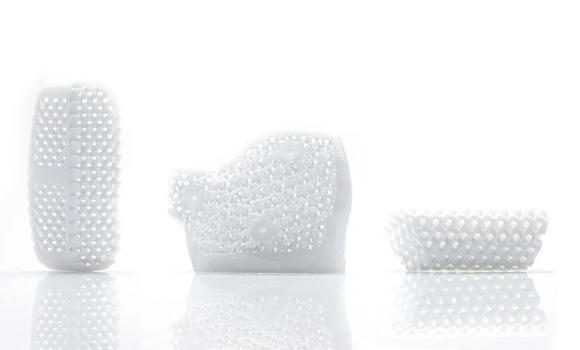
Lithoz, based in Vienna, Austria, has shared its first scientific long-term study on additively manufactured bioceramic patient-specific implants (PSI), which showed an impressive total success rate of over 92% achieved with Lithoz’s LithaBone TCP 300 tricalcium phosphate material. Processed on a Lithoz CeraFab machine, these implants display the high medical standards of Lithoz technology, which, as of recently, have been produced under an ISO 13485 certified quality management system.
This study, which evaluates the healing success of LCM-manufactured ceramic implants in human bodies over a follow-up period of five years, will significantly support the distribution of ceramic Additive Manufacturing in surgery.
TRUSTED BY INDUSTRY’S BIGGEST NAMES
Discover how we help leading brands shape the industry conversation
| Contact us |
In a minimally invasive approach, fourteen patients between 17 and 57 years of age suffering from dysgnathia were treated with patient-specific implants produced on a Lithoz CeraFab machine to prevent antegonial notching. Delivering ideal osteoconductivity and osteoinductivity, the study clearly confirmed the implants’ potential to reconstruct and bridge healing gaps occurring after surgical bone-cutting intervention (“osteotomy gap”) due to their interconnected pores. The study also found that the rapid growth of new bone tissue in the beta-TCP implant was promoted.
Prior to this study, surgeons had yet to find an ideal solution to the postoperative development of mandibular lower border defects and irregularities following bilaterial sagittal osteotomy (BSSO).
Dr Johannes Homa, Lithoz CEO, shared, “This first ever long-term clinical follow-up study marks a historic moment for the entire Additive Manufacturing industry! These results are not only about celebrating a great achievement for our Lithoz LCM technology. By clinically proving a success rate of over 92%, we’ve set a game-changing milestone in the history of surgery to establish the 3D printing of patient-specific bioceramic implants as a fully-fledged alternative alongside traditional surgical interventions.”
The clinical paper’s conclusion shows “the feasibility and potential of the ß-TCP gap PSI concept as an innovative and promising approach to prevent antegonial notching after BSSO at primary surgery and in the long term.”