

Lithoz showcases ceramic additively manufactured filtration technology for lithium extraction
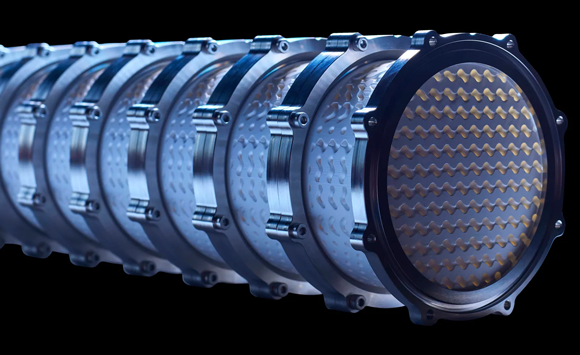
Lithoz GmbH, based in Vienna, Austria, showcased filtration technology from Evove at this year’s Formnext. Evove utilised Lithoz’s new CeraFab S320 to manufacture Separonics ceramic filter membranes. These membranes are designed to reduce energy use by 80%, increase output fivefold, and recycle 80% more water.
Using twenty filter membrane segments, each with a diameter of 10 cm and measuring 5 cm in height, the complete filter module has a final length of 1 m – making this the largest application ever built by Lithoz LCM technology.

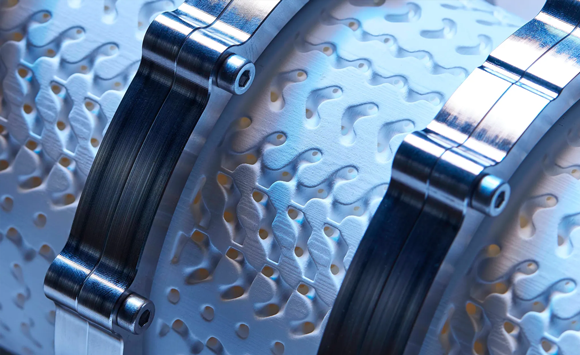
With Lithoz’s lithography-based ceramic manufacturing (LCM) technology, Evove achieved a high level of control over the manufacture of these ceramic filtration membranes, enabling uniform pore size and distribution for optimal water recycling applications. The design freedom provided by the LCM process allowed for more complex geometries and, therefore, enhanced membrane performance, as well as custom designs tailored for higher flux and selectivity. Thanks to the lack of tools required, these additively manufactured alumina parts benefited from significantly reduced production costs.
Ceramics, with their inherent durability, make Evove’s filters far more resistant to high temperatures, aggressive chemicals, and physical wear than traditional materials like polymers. As a result, these alumina membranes last longer and require less maintenance, making them ideal for the demanding filtration environments involved when reusing industrial discharge and extracting lithium.
Andrew Walker, Evove CCO, stated, “Water touches 60% of global GDP, and the ability to recycle even the most challenging of feeds is a lynchpin of the circular economy and decarbonization. Ceramic materials offer great advantages but, until now, have suffered from the high cost of manufacture and susceptibility to random filtration performances. With Lithoz 3D printing technology, it’s proven that we can precision engineer and manufacture cost-effectively at scale.”
Lithoz CEO Dr Johannes Homa shared, “Disruptive breakthroughs like this are crucial in today’s world, as they improve manufacturing efficiency and reduce resource waste. We’re seeing ever more ceramic solutions for challenges in manufacturing, as they are used where other materials fail. We’re proud to have provided the technology that enabled this success story in sustainability!”