

Inside China’s largest MIM company: Innovation, research and the MIM Smart Factory at Jiangsu Gian Technology Co., Ltd.
The ability to innovate is the cornerstone of the successful evolution of technology companies. Jiangsu Gian Technology Co., Ltd., China's largest Metal Injection Moulding company, has always followed such a philosophy. Dr Chiou Yau Hung (Dr Q) visited the company on behalf of PIM International and spoke with Junwen Wu, the company's vice president, about how innovation, from materials development to the use of Artifical Intelligence for advanced quality management, has become the driving force behind the company's success. [First published in PIM International Vol. 15 No. 3, Sept 2021 | 10-minute read | View on Issuu | Download PDF]
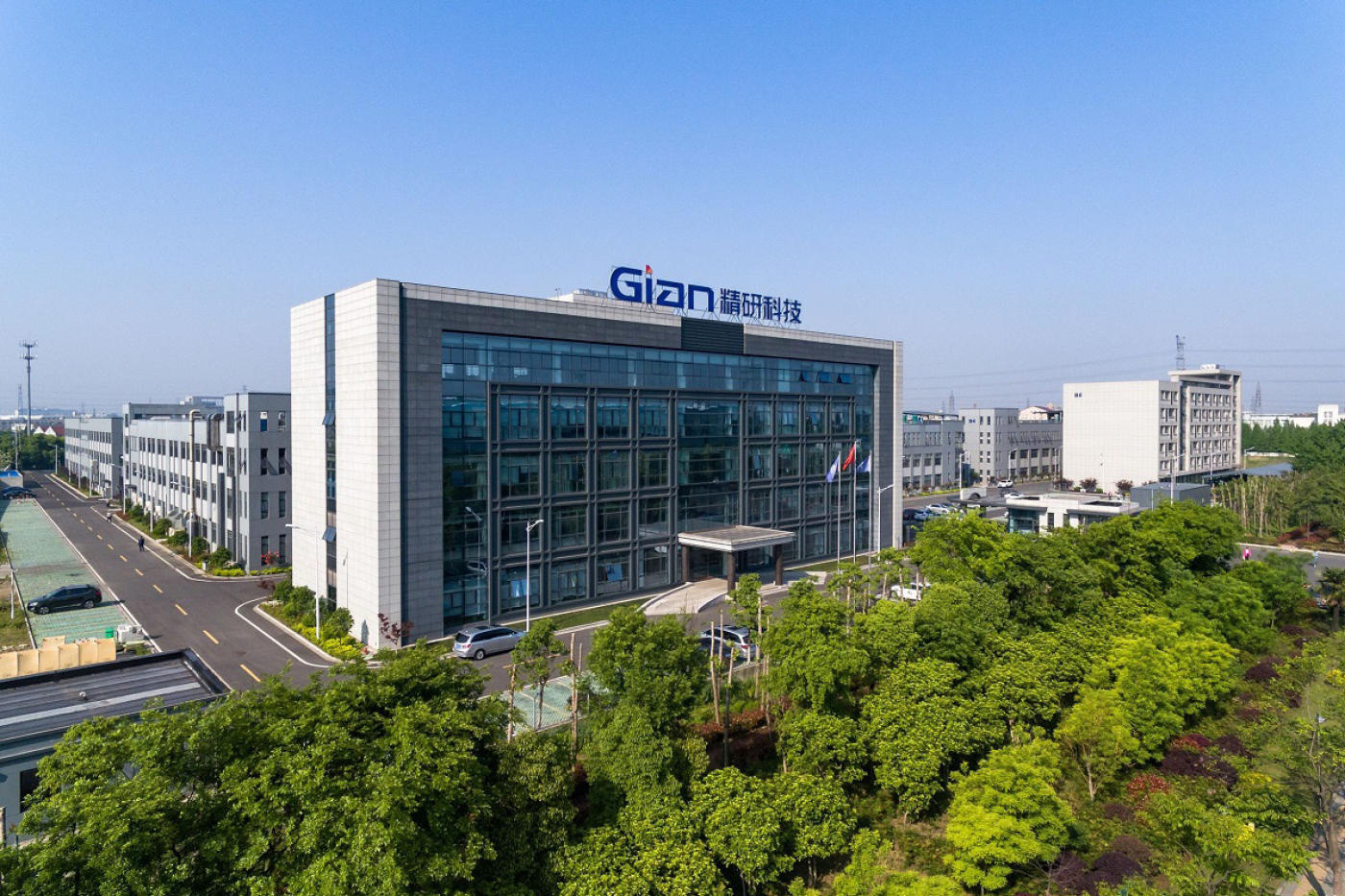
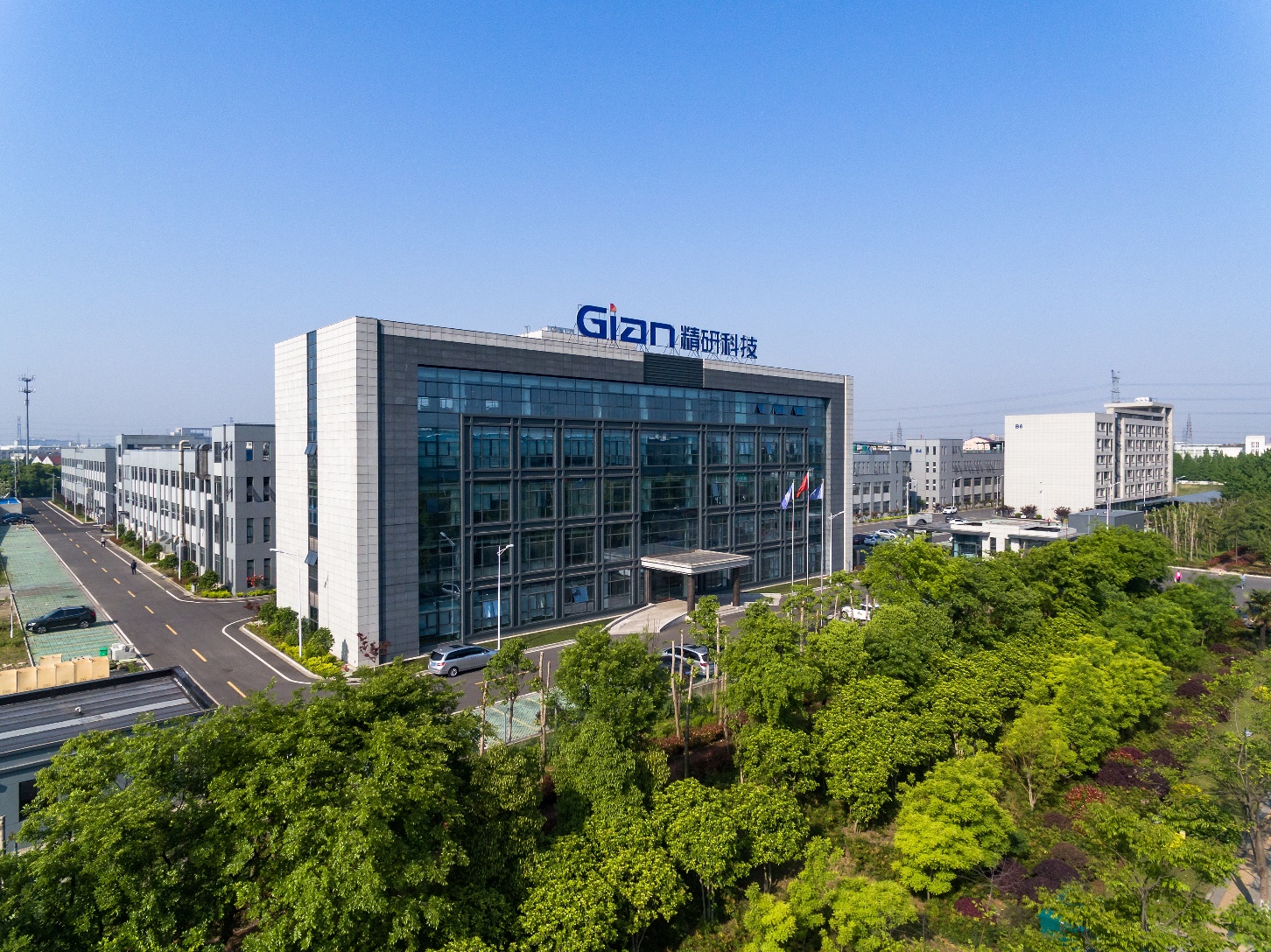
Founded in 2004, Jiangsu Gian Technology Co., Ltd., located in Changzhou City, Jiangsu Province, is a leading Chinese Metal Injection Moulding producer that is competing globally in the small precision parts manufacturing market. Gian claims to be the largest producer worldwide with MIM as its main business focus, and is committed to acting as a ‘one-stop shop’ for its customers, whilst maintaining a competitive position when it comes to innovations in materials, processing, product development and part design.
The company primarily manufactures complex, high-precision and high-strength aesthetic MIM parts for the consumer electronics industry, as well as for the automotive, medical and other sectors. With a reputation for high product quality, combined with a responsive, fast-turnaround service, the company’s parts have been used in the products of Apple, OPPO, vivo, Samsung, Xiaomi, Fitbit, Google, Tesla, Great Wall, Honda and many other well known global brands in consumer electronics and the automotive industries. On average, several million MIM parts a day are shipped from its facilities.

With regional offices across Asia, Europe, North America and other major economic regions, the company’s staff of more than 6,000 can provide 24-hour a day support for the needs of customers. Gian’s sales have increased rapidly over the last decade and, in 2020, it achieved a revenue of around $240 million.
In recent years, the company has focused on increasing its investment in research and development to improve its competitiveness and create a precision manufacturing platform-oriented business. The organisation constantly tests a variety of new material systems and process innovations, aiming to always be at the cutting edge of MIM part design, pushing the barriers of part weight, size and performance. As shown in Fig. 3, MIM products currently manufactured range between 0.006 g and 900 g, and dimensions between 0.04 mm and 200 mm in length.

The following research areas are of ongoing focus:
- In-house feedstock production
- Sintering optimisation
- Design, development and manufacturing capacity for precision moulds and fixtures
- Post-processing capability
- R&D for advanced automation
These areas have been studied through a close combination of research and production development in order to enhance the competitiveness of the company’s products. The results have led to cost reductions and increased efficiency at Gian’s facilities.
The company currently operates ten feedstock production lines, twenty-three continuous debinding and sintering furnaces, over forty batch furnaces and more than 350 injection moulding machines. For post-processing, over 200 CNC machines are installed, along with additional post-process capacity such as PVD surface coating. This production capacity enables the processing of millions of components daily, allowing the company to effectively meet the widely differing needs of its customers.
Gian Technology operates four sites in Changzhou, covering an area of about 330,000 m2, and has a separate factory in Dongguan, South China, to better serve customers in the Pearl River Delta.
In order to maximise the productivity of its production lines, the company has a professional automation team consisting of more than 100 people, most of whom are responsible for the design, manufacturing and maintenance of industrial automation solutions or providing comprehensive automation and artificial intelligence services for the group. The automation team provides more than 500 sets of automation equipment for the MIM production lines every year.
R&D at Gian Technology
At present, Gian employs over 300 engineers for its research and development activities, including the design and development of more than 500 different MIM parts every year. As the strategy, R&D and incubation platform of the group, the R&D centre acts as the driver for its medium- and long-term development into new fields, technologies, materials, products and processes.
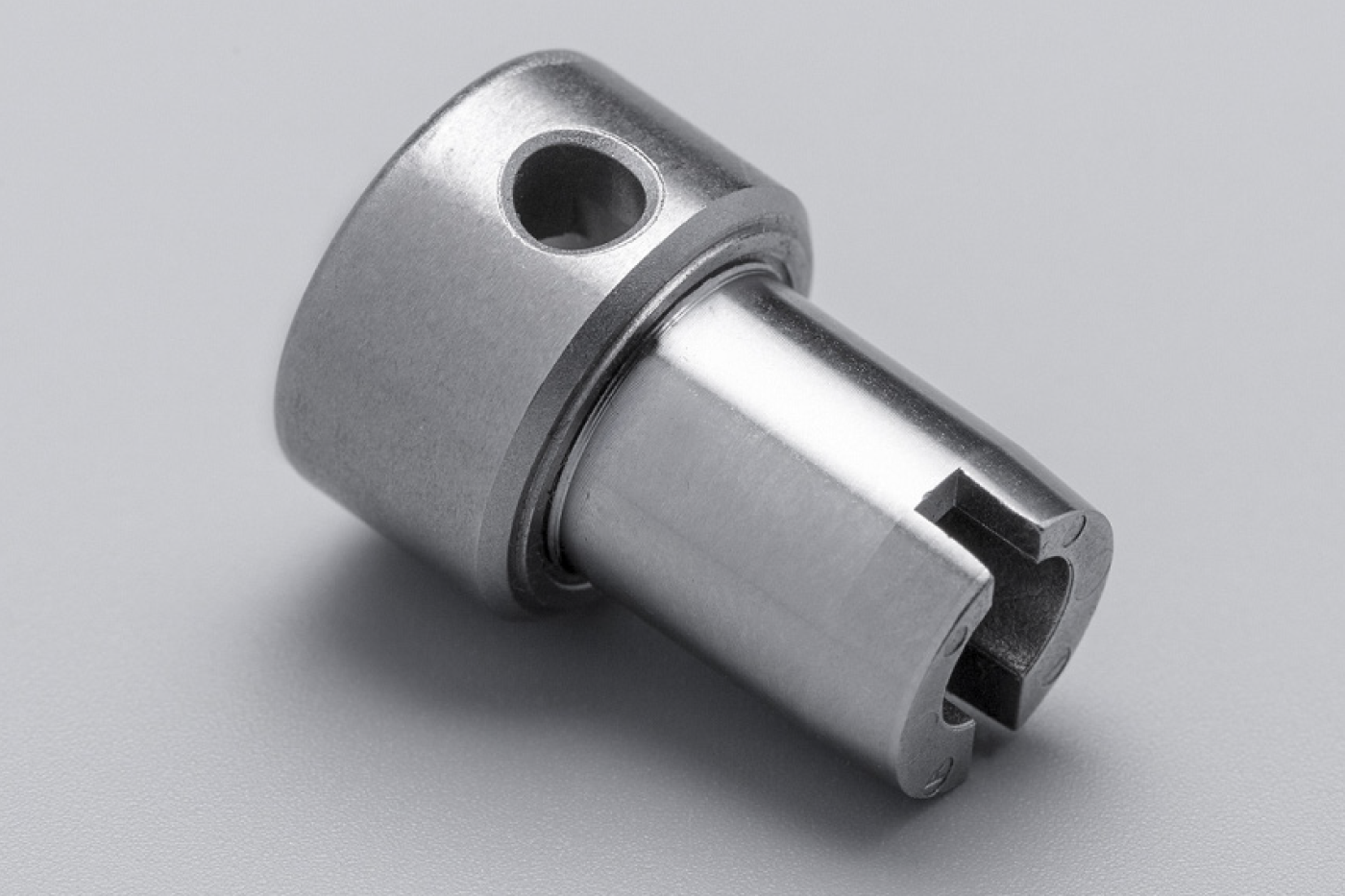
Through cooperation with universities, the R&D centre is also involved in a number of national, provincial and municipal key projects, and applies for dozens of MIM-related patents every year. This provides a strong driving force for the group’s long term sustainable development. An example of the R&D team’s achievements is a MIM fan component which won an award at World PM2018 – the World Conference on Powder Metallurgy – held in Beijing.
The mass production of MIM titanium and titanium alloy parts
After years of exploration and research, Gian Technology believes that, with the continued growth of industry globally, titanium alloy products offering lower weight, excellent surface finish and biocompatibility will be widely used in the field of consumer electronics and automotive production. However, the production cost for titanium parts with these properties manufactured using conventional technologies is very high. Titanium alloy has poor thermal conductivity and is difficult to machine, which has, to date, limited its potential application areas.
Since 2012, Gian has been developing MIM titanium and titanium alloy materials and processes, and is committed to bringing Ti MIM to maturity and mass production. It is also increasing its production of titanium and titanium alloy micro-parts. Through its R&D activities, the company has developed titanium alloy powders, custom binders, process parameters and specialist equipment to achieve better dimensional accuracy, the necessary mechanical properties and superior aesthetic results.
A special binder developed for Ti MIM offers good wetting with powder, high fluidity and high purity, which can effectively reduce the number of impurities after sintering. When used with optimised process parameters, the production of titanium and titanium alloy MIM parts with properties that meet international standards can be achieved.
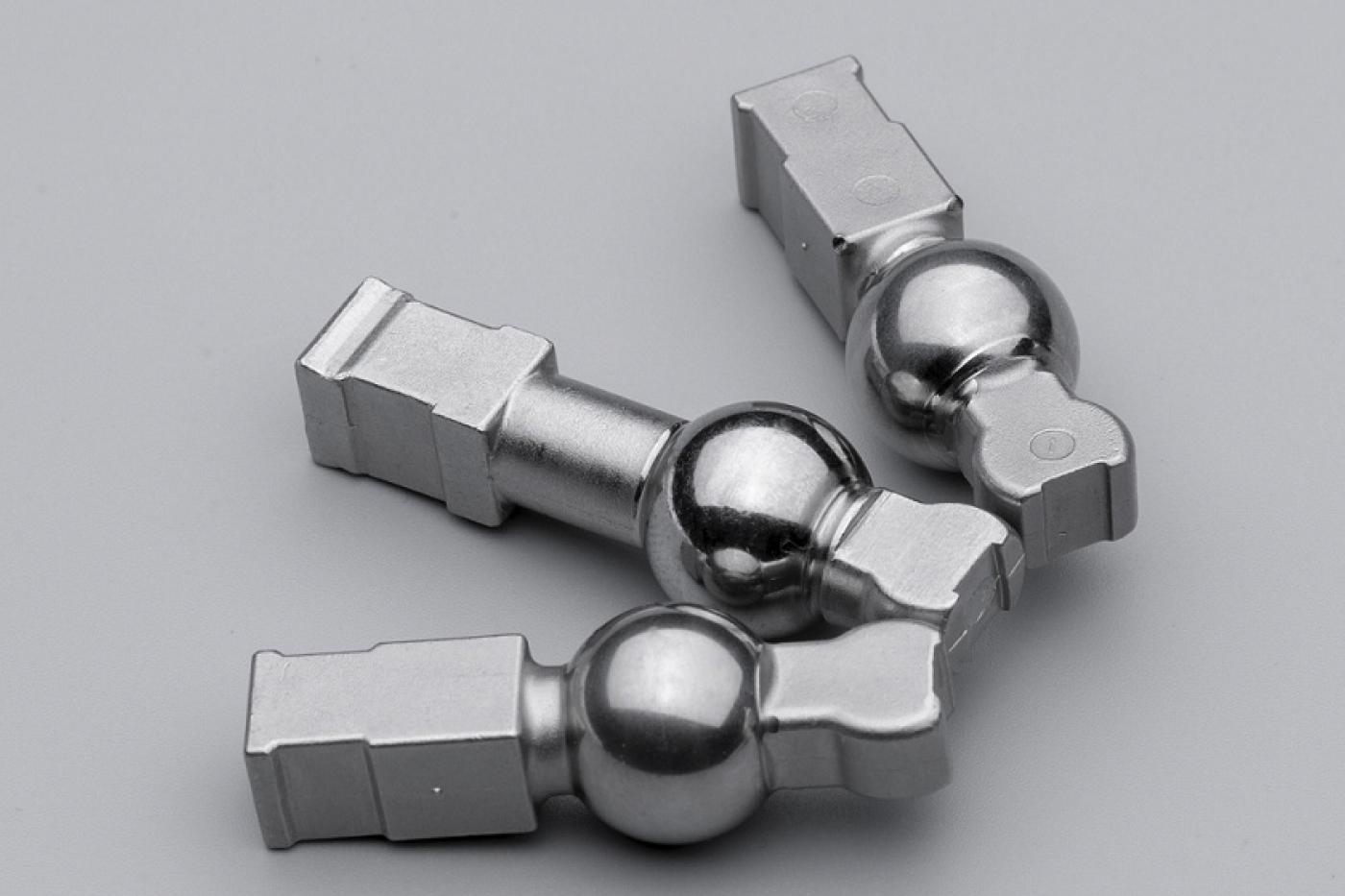
Based on early development results, combined with the specific needs of customers, a number of titanium alloy projects have achieved mass production, with Gian having produced more than 300,000 titanium MIM parts, such as those shown in Fig. 6, with the microstructure of a production part shown in Fig. 7. A series of patents have also been applied for and granted in this area.

Gian’s titanium team is led by Dr Haoyin Zhang. According to Dr Zhang, “The physical and mechanical properties of titanium and titanium alloys fully meet the relevant ASTM standards (F2885-11 Type 1 density). For example, MIM Ti6Al4V can achieve a density of >4.4 g/ cm3, a yield strength of 950 MPa (F2885-11 ≥ 830 MPa), a tensile strength of 1000 MPa (F2885-11 ≥ 900 MPa), and elongation of up to 15% (F2885-11 ≥ 10%).”
The development of ultra-high-strength MIM steel
Ultra-high-strength steel offers the desirable characteristics of high yield strength, good rigidity and high wear resistance. It has applications in areas such as the folding hinges of newly commercialised folding-screen smartphones, the hinges on wireless charging headsets, micro gears, and some special structural parts. At present, there has been little reported development of this kind of material in the wider Metal Injection Moulding industry.
Gian developed its ultra-high strength MIM steel by focusing on material formula development, the forming process and post-treatment processes. At present, the mechanical properties of the developed materials are reported to be meeting the needs of its customers, and ultra-high strength steel products are gradually entering mass production at the company.
Mirror finish materials and processes
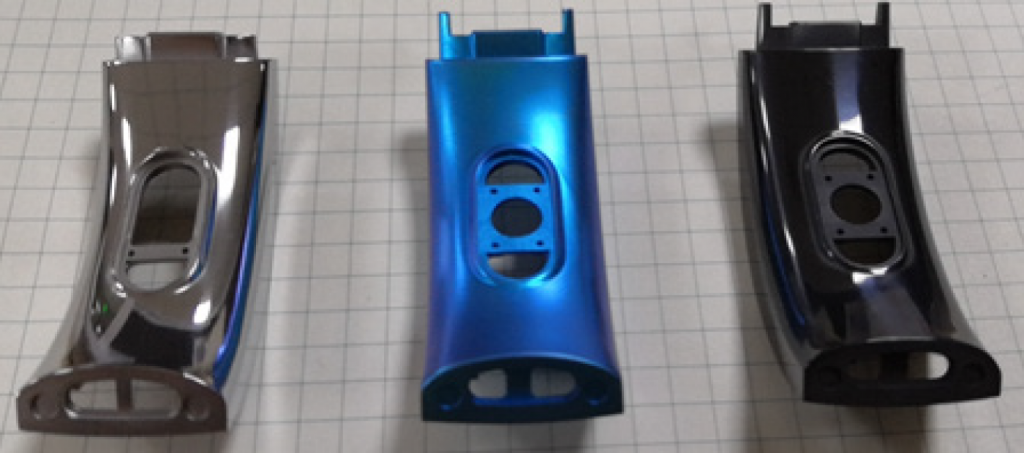
MIM has the major advantage of being able to deliver high-precision parts with complex shapes; however, the ability to polish parts to a mirror finish has always been a key issue limiting the application of MIM components in consumer electronics applications.
In order to increase the use of PIM components in cosmetic parts, Gian Technology has worked with customers to develop materials and processes which help make it possible to produce and post-process parts to a mirror finish. A number of projects are underway to achieve mass production.
Tooling design and fabrication
Tooling design and production is a vital aspect of Metal Injection Moulding, and it is also a core area of expertise at Gian. Through more than ten years of development, Gian has achieved a high degree of expertise in mould design, manufacture, application, maintenance, and other integrated capabilities, to enable it to fully meet its customers’ needs.
From the beginning of a product enquiry, the tooling department’s professional designers are involved in a part’s design. Drawing on years of experience, they are able to help customers design a part that is optimised for MIM. After that, tooling is manufactured and put into use for the mass production of the desired part.
The tooling department employs around 400 people, 30% of whom have extensive experience in tooling manufacturing, material selection, surface texture selection, the control of mechanical strength, assembly, tolerances, and other aspects of tooling design. They are also able to help balance the cost of prototyping for new designs against the cost and value of the mass-produced MIM parts. Using ISO quality management system standards and in-depth project management experience, the tooling department is able to track the progress of the project in real time and integrates dynamic project management concepts to correct errors in a timely manner and ensure delivery.
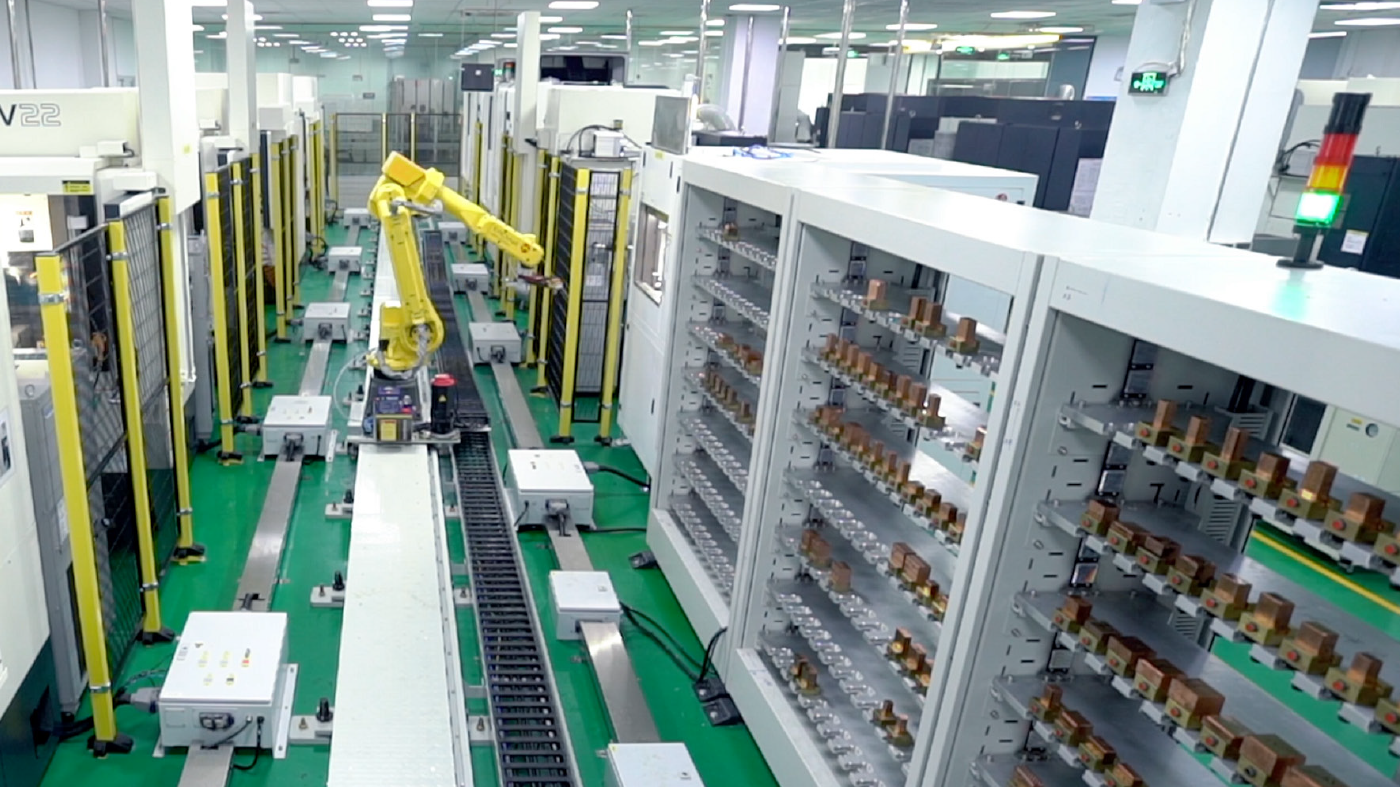
Gian Technology operates a highly efficient intelligent tooling production line, able to better connect tooling design, manufacturing, and application. This allows tooling to be quickly designed for an application, enabling the rapid delivery of customer product samples. Gian’s ‘lights-off’ tooling management system, shown in Fig. 8, is very unusual in the MIM industry.
The company’s tooling department has a long-term cooperation in place with GF, Yasda, Makino, Seibu and other well-known manufacturers. These manufacturers often visit to train Gian’s employees. Gian’s tooling operation can achieve an accuracy of ± 2 μm and is able to manufacture more than 100 sets of new tooling to high-precision every month. The efficiency of tooling manufacture at Gian makes it possible for the company to meet the diverse needs of its customers at a competitive cost. Importantly, in critical situations it is equipped to respond rapidly to customer design changes and meet urgent requests.

MIM production in detail
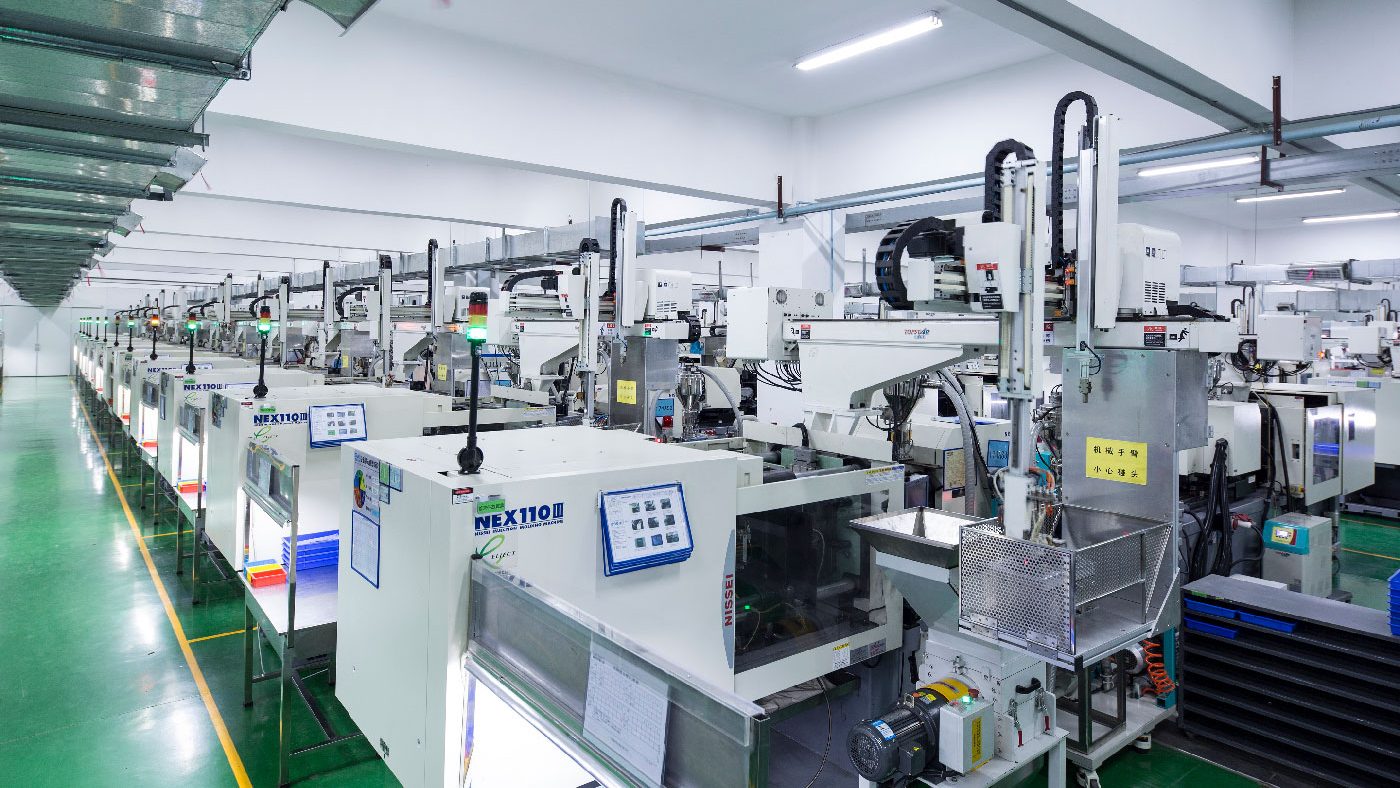
Through its intensive research activities, Gian is very active in promoting its advanced manufacturing technologies and helping to achieve flexible MIM production, continuously improving its own production lines with the most advanced equipment and automation offerings. With the benefit of its past production experience, the production schedules of each of its manufacturing lines are carefully planned according to the priority of customers’ demands, using the most efficient allocation of moulds and equipment.
Gian benefits greatly from the ability to prepare feedstock in-house, using more than 1,000 tons of powder each year that it is able to precisely mix into high-quality MIM feedstock. This all takes place in a controlled environment, thereby maintaining the high quality of its products, and meeting the product performance requirements of customers. Material testing ensures product performance and the stability of the production process.
Gian Technology pays great attention to every detail of the production process. The high-precision Japanese injection moulding machines that it uses have been upgraded and automated for high-volume production, greatly increasing capacity. The company’s injection moulding department employs thirty process technicians capable of operating these precision machines for high performance, productivity and quality.
In its current operations, sintering and debinding with both continuous and batch furnaces is able to effectively meet its customers’ needs with high capacity, high efficiency, and high flexibility. At the same time, Gian Technology strives for high levels of sintering process stability, It is continuously improving sintering furnace performance, including gas flow optimisation, as well as many other practical innovations. Through accurate simulation, control and compensation of the sintering process, the company is able to meet its global customer’s pursuit of high-precision, consistent product performance.
The dimensional accuracy of MIM parts can be further improved after sintering through fully automatic multi-step restriking operations. Gian also has CNC capacity for machining MIM and other parts, as well as surface treatment facilities that include sand blasting, polishing, laser marking, PVD and other post-processes. It believes that a one-stop service concept and platform-based precision manufacturing operation can lead the company and entire industry onto the fast track for rapid development.

Inspection and quality management
Gian Technology employs a wide range of automation equipment to increase efficiency and product quality, reduce production costs, and avoid all types of operational risk in the production process. The company recently purchased a range of appearance defect detection equipment which uses AI-based vision technologies for MIM products. This solution allowed a reduction in manpower while improving production yield (Fig. 11). This, Gian believes, is a positive step on the path to transforming the company from a conventional manufacturing facility towards a smart factory, thus improving its profitability and market competitiveness.
The future at Gian Technology
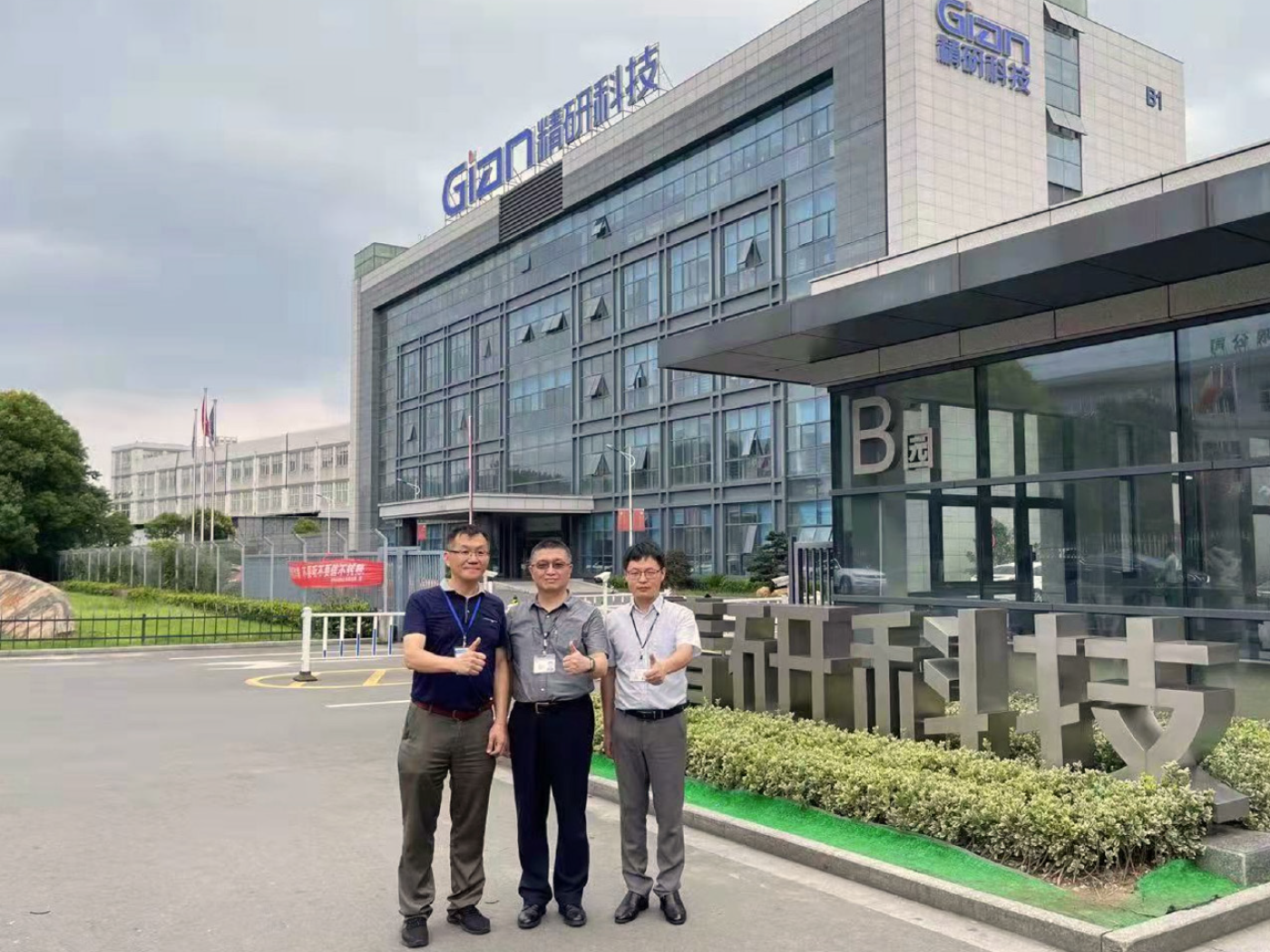
Asked about his vision for the future of Gian Technology, Junwen Wu, the company’s vice president, explained, “We are as patient as craftsmen to MIM.” The rapid development of Gian in the past ten years is due in no small part to its careful, craftsman-like commitment to learning from customers, peers and suppliers; its dedicated MIM research; and the efforts to develop a smart factory.
The company’s management is committed to promoting the application of MIM products in a wide range of industries. Today’s MIM enterprises, the management team believes, need to be fully invested in R&D in order to broaden application areas and explore cutting-edge technologies to expand the use of MIM products in more markets. Gian Technology believes that the diversification of materials and process complexity will be key trends for the MIM industry.
Junwen Wu also believes that companies in the MIM industry must follow the diversified needs of the market for other MIM materials, such as expanding the application of MIM to titanium alloys, magnetic materials, nickel-base alloys, and others. Although China’s MIM technology is advanced, it remains subject to limitations; some markets still cannot reach the necessary production volumes to make MIM technology viable in a large number of applications. These markets include the aerospace sector – however, there is nonetheless still great potential for development here.
The story of the development of MIM in China over the past decade is a remarkable one, and one that has the potential to help drive the use of MIM forward worldwide. I hope that this article will give a deeper understanding of the efforts of China’s MIM industry leader, and the opportunities that are envisaged for the industry’s future growth.
Author
Dr Q (Y H Chiou)
You neeD Technical Office
[email protected]