

Atomik AM and the binder revolution: Rethinking the future of Binder Jetting
Binder Jetting has long been heralded as the Additive Manufacturing process most likely to deliver true mass production. Its promise of speed, scalability and lower costs has kept it in focus, but familiar challenges remain: fragile green parts, difficult depowdering, sintering distortion and a narrow materials palette. Atomik believes the answer lies in rethinking the binder itself. Far from being an inert glue, it may be the key to unlocking Binder Jetting’s future, argues the company’s Prof Kate Black. [First published in Powder Injection Moulding International Vol. 19 No. 3, Autumn 2025 | 10 minute read | View on Issuu | Download PDF]
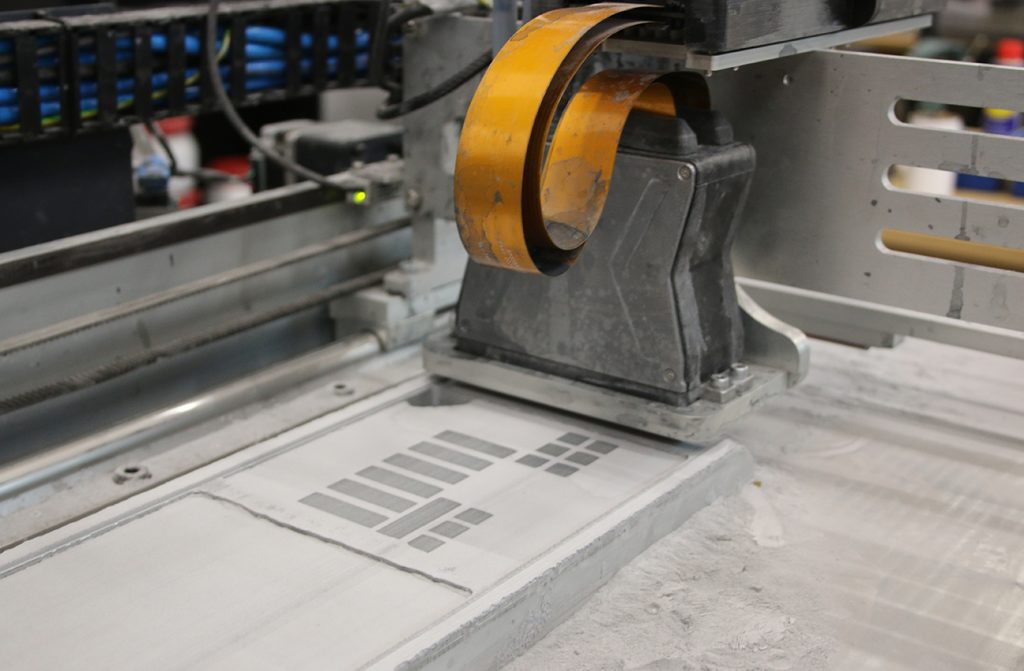
Binder Jetting has long been seen as the Additive Manufacturing (AM) technology that could finally deliver mass production. It offers speed, scalability and the potential for low cost. Yet for all the optimism, the technology has not reached its expected impact. Adoption has slowed, and the same questions continue to resurface.
The barriers are familiar. Green parts are fragile and rarely strong enough to support automated handling straight off the build bed. Depowdering remains a manual process that limits throughput. Sintering introduces shrinkage and distortion, making precision difficult. And despite years of development, the materials palette available remains frustratingly narrow.
At Atomik, we believe the industry has been looking in the wrong place. The binder has always been treated as a neutral adhesive, a temporary measure to hold powder together until sintering takes over. That mindset has held back progress. What if the binder is not glue at all but the missing key to unlocking Binder Jetting’s future?
Why the binder deserves a second look
The idea that the binder is a simple adhesive has shaped the direction of Binder Jetting since the beginning. It was a natural assumption, but it has also been limiting. Suppose the binder is seen only as something that temporarily holds powders together. In that case, the focus inevitably shifts to the powder and the sintering process as the true levers of progress.
But what if the binder itself can be functional? What if chemistry can be used to enhance part performance, stabilise the green state, or even introduce new capabilities? Reimagining the binder in this way changes the conversation. The material system is no longer just the powder plus an inert glue. It becomes an integrated combination of powder and chemistry where the binder plays an active role.
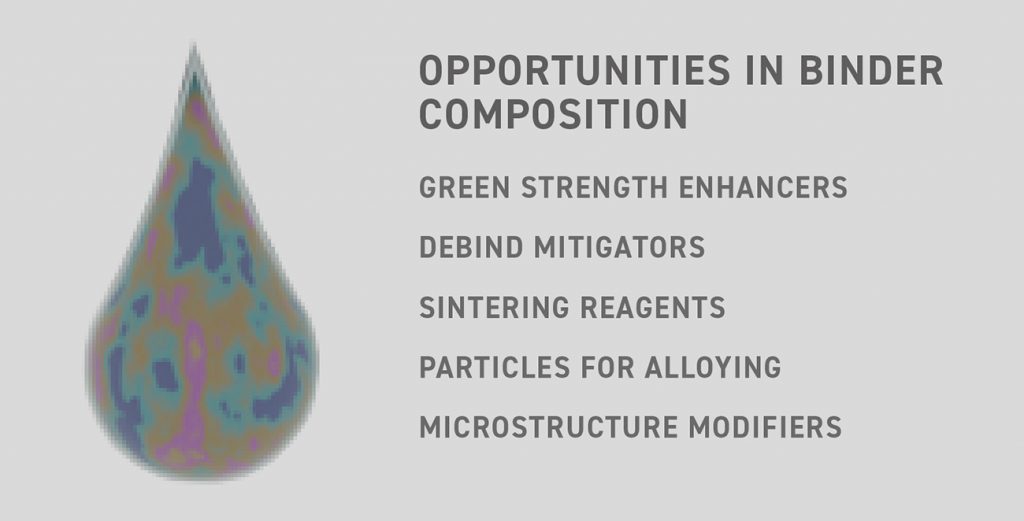
This is not simply a theoretical idea. The progress being made in functional binders suggests that the future of Binder Jetting may be decided less by machine design and more by advances in chemistry.
Why Binder Jetting stalled
Binder Jetting first emerged in the 1990s and quickly attracted attention because of its potential speed and low cost. Unlike Laser Beam Powder Bed Fusion (PBF-LB) or Electron Beam Powder Bed Fusion (PBF-EB), it did not require high-energy sources or complex thermal control. Instead, it offered a straightforward process: spread a layer of powder and jet droplets of binder, repeating this until the part is built.
The promise was clear. Entire builds could be additively manufactured in minutes rather than hours. Powders did not need to be highly specialised, and machines could, in principle, be simpler and cheaper. It looked like the perfect recipe for an industrial scale.
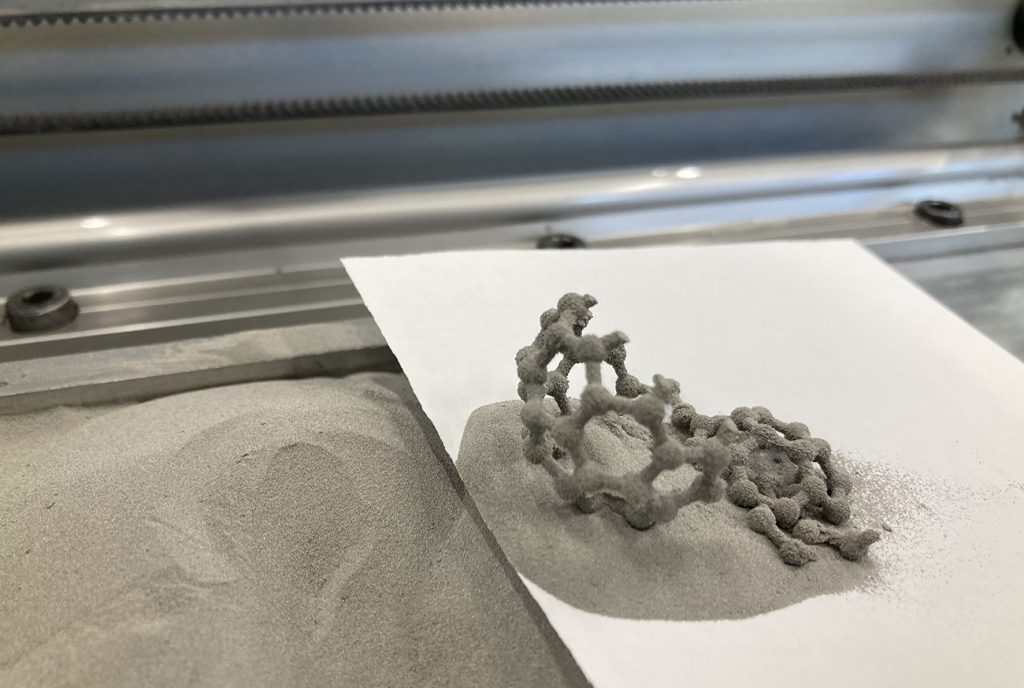
Yet as the technology moved from prototypes into real-world trials, the weaknesses became clear. Green parts were so fragile that automated depowdering and handling were impossible. Sintering introduced unpredictable distortion. The range of compatible powders was narrower than expected. In short, the binder was treated as incidental, and the process never reached its potential.
Another reason for the stall is that Binder Jetting has borrowed heavily from other industries. Powders have been adapted from PBF-LB processes, printheads from 2D graphics, and software that was never designed with sintering-based AM in mind. That borrowing has been useful but has also limited progress. It is time for Binder Jetting to have powders, printheads and software designed specifically for its needs, with binders at the centre of that development.
The field is now at a crossroads. Machine vendors continue to refine their platforms, and powder suppliers are developing new alloys. However, unless the binder itself is rethought, the same problems will continue to hold back adoption.
When one binder could work for many
One of the biggest frustrations in the field has been the lack of standardisation. Each powder seems to require its own bespoke binder system, which creates complexity at every level. Machine users face a constant cycle of adjustment and optimisation, and powder suppliers are forced into lengthy qualification processes. As a result, Binder Jetting has remained difficult to scale for production.
A universal approach offers a way forward. Imagine a binder system that can be applied across multiple metals, giving users a consistent platform rather than a shifting set of recipes. Instead of starting from scratch each time, machine operators can expect reliable builds. Powder suppliers can bring new materials to market more quickly. Researchers can focus on the underlying science rather than endlessly tweaking formulations.
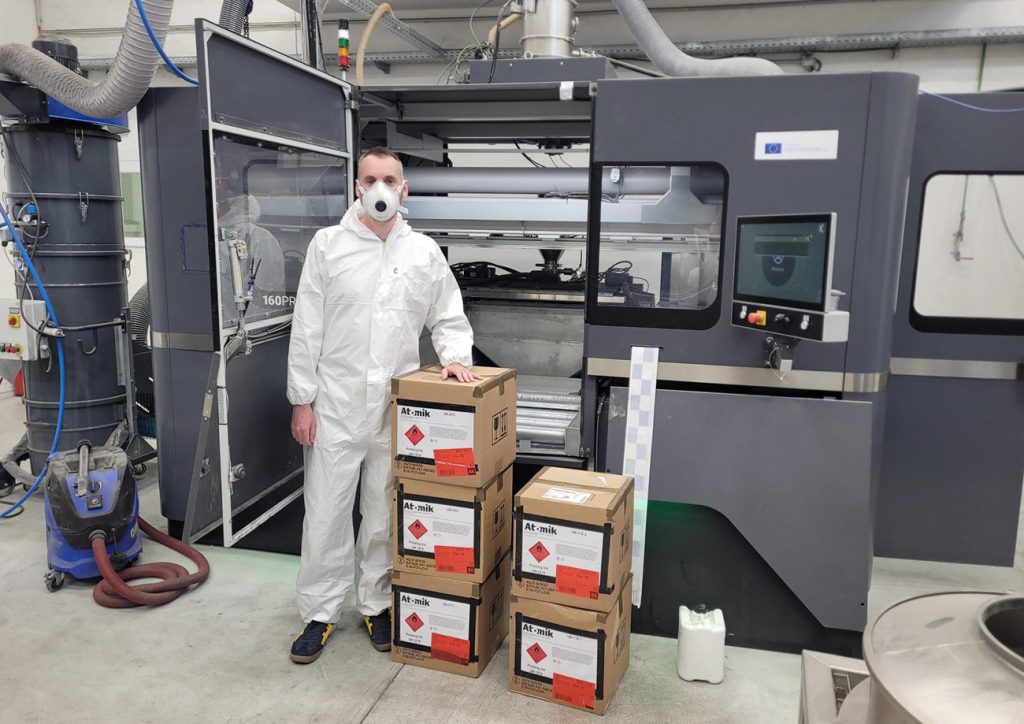
This is the philosophy behind Atomik’s Universal Binder. The name is less important than the principle: removing unnecessary friction from the system. Binder Jetting cannot achieve its potential as long as each new powder introduces new uncertainty. By providing a consistent foundation, a universal system allows the ecosystem to move forward.
A universal binder is not about creating a single solution for every material forever. It is about creating a common framework where innovation can build. It reduces the barriers to entry, encourages experimentation, and gives the industry a level of predictability that has been missing.
The Universal Binder can be seen as a foundation. It brings consistency and predictability to Binder Jetting, which are essential if the industry is to scale. Once that rigour is established, the next step is not greater universality but greater functionality. This is where the Second Generation Binder comes in, designed for specific applications and tailored with chemistry and AI to deliver bespoke properties at speed and low cost.
What happens when the binder does more than hold powder together?
Standardisation is only the beginning. The fundamental transformation comes when the binder is designed not only for compatibility but also for functionality.
A binder can be used as a vehicle for chemistry. Sintering aids can be incorporated to reduce shrinkage and distortion. Functional additives can increase part density and improve mechanical properties. Green strength can be raised to levels that support automated depowdering, one of the most critical steps in scaling production.
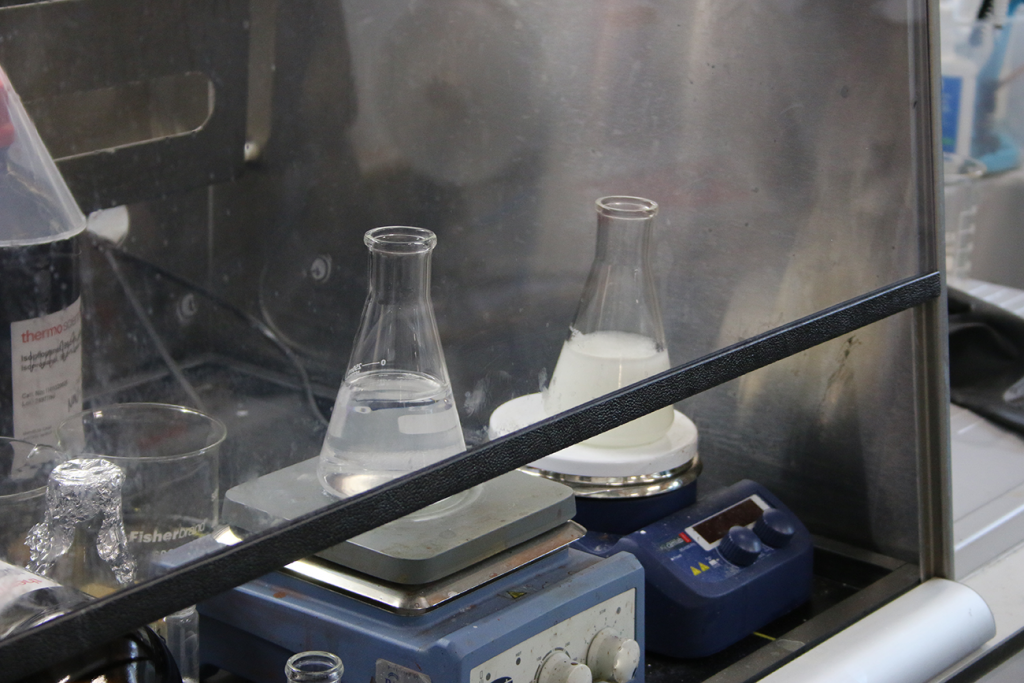
Perhaps the most intriguing possibility is the creation of multi-material parts. By using the binder to deliver different chemistries to different regions, it becomes possible to create components where properties vary across a single build. This could enable parts that combine conductive and structural regions, or components with localised wear resistance and toughness.
Where the Universal Binder creates common ground, the Second Generation Binder is about differentiation. It is designed for bespoke applications, using AI and chemistry to deliver tailored functionality quickly and at low cost.
This is the essence of what we call the Second Generation Binder. It moves the binder from a passive role to an active one. It is not speculation for the distant future. Development is already underway, and the early signs are that chemistry, supported by Artificial Intelligence, can deliver solutions that machine design alone has not been able to achieve.
Tackling the challenges that have held Binder Jetting back
For Binder Jetting to progress, the industry must confront the challenges that have slowed adoption. Many of these can be traced back to the role of the binder.
Green part strength
Green strength is not simply a minor inconvenience. It is the factor that determines whether Binder Jetting can scale. As long as parts remain too fragile to be handled automatically, the technology will never achieve its throughput promise.
The role of the binder is crucial here. By tailoring chemistry to increase bonding strength at the green stage, parts can survive automated depowdering and handling. This is not about brute force but about intelligent design. Functional binders can provide strength without compromising sinterability, opening the door to fully automated production lines.
Depowdering
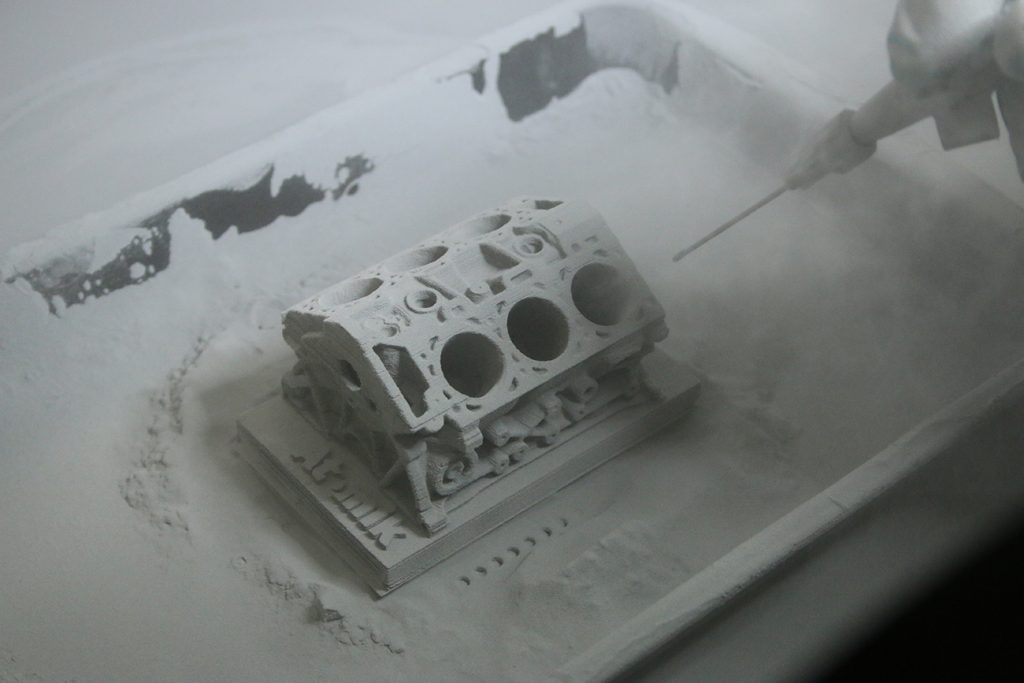
Depowdering has been one of the most stubborn bottlenecks in Binder Jetting. It is often carried out manually with brushes or air, a process that is slow, inconsistent and expensive. Automated depowdering systems exist, but they rely on parts being strong enough to withstand mechanical vibration or air flow. That strength has been missing.
By redesigning binders to increase green strength, automated depowdering can be more effectively integrated. This represents a step towards the process speed and scalability that Binder Jetting has long promised. A task once reliant on manual labour becomes a seamless component of a production-ready workflow.
Shrinkage, distortion and density
Shrinkage and distortion during sintering have long been the Achilles’ heel of Binder Jetting. Parts that leave the machine with promising geometries often emerge from the furnace warped or undersized. This limits the accuracy and reliability of the process.
Here again, binders offer a route forward. By incorporating sintering aids, the binder can influence densification pathways. By promoting uniform shrinkage and reducing grain boundary effects, distortion can be minimised. The result is greater dimensional accuracy and more consistent part properties.
Density is also a significant concern. Many binder jetted parts suffer from residual porosity. Functional binders that encourage uniform sintering and reduce pore formation can help push density levels higher. That makes Binder Jetting viable for more demanding applications where mechanical performance is critical.
Materials expansion and sustainability
The materials palette for Binder Jetting has remained heavily concentrated on stainless steels. Expanding into aluminium, copper, and superalloys is essential for broader adoption. Each of these presents its own challenges. Aluminium’s reactivity, copper’s wettability and superalloys’ sintering behaviour all complicate processing.
Binders can help overcome these hurdles. By tailoring surface chemistry and introducing agents that promote sintering, binders make it possible to process powders that were previously impractical. They can also protect against oxidation, opening the door to processing more reactive metals.
Sustainability is another driver. Functional binders can enable the use of cheaper and more abundant powders, reduce energy requirements and improve yields. Binder Jetting can become not only a manufacturing technology but a more resource-efficient one.
A chemistry-first approach to innovation
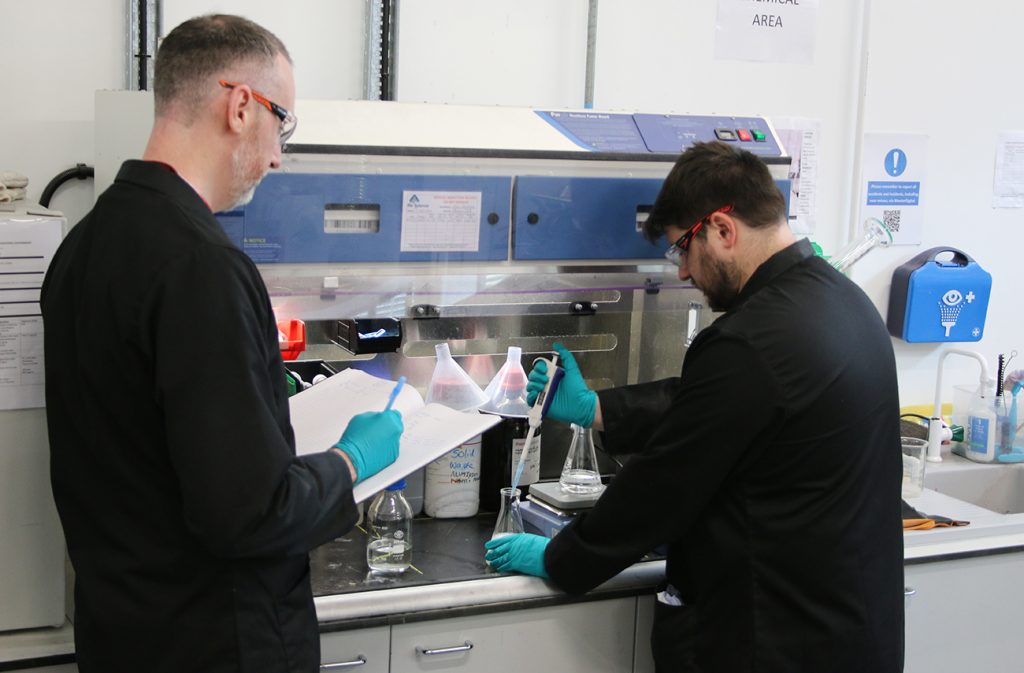
The role of chemistry in Additive Manufacturing has often been underestimated. Machine design has captured most of the attention, but without new approaches to materials, the promise of AM cannot be fulfilled.
Atomik has chosen to focus on the binder as the lever for progress. By combining chemistry with powder design, process control and AI, we are working to create systems where all elements operate together. The aim is not to develop a single product, but to support a broader shift in how materials development is approached within Binder Jetting.
Artificial Intelligence will be central to this journey. By embedding AI and connecting it to materials databases, it becomes possible to reduce the complexity of binder development, shorten iteration cycles and bring costs down. For Second Generation Binders, this is the difference between a promising idea and an economically viable platform. Artificial Intelligence allows us to design binders that are not only functional but also sustainable, embedding efficiency from the start.
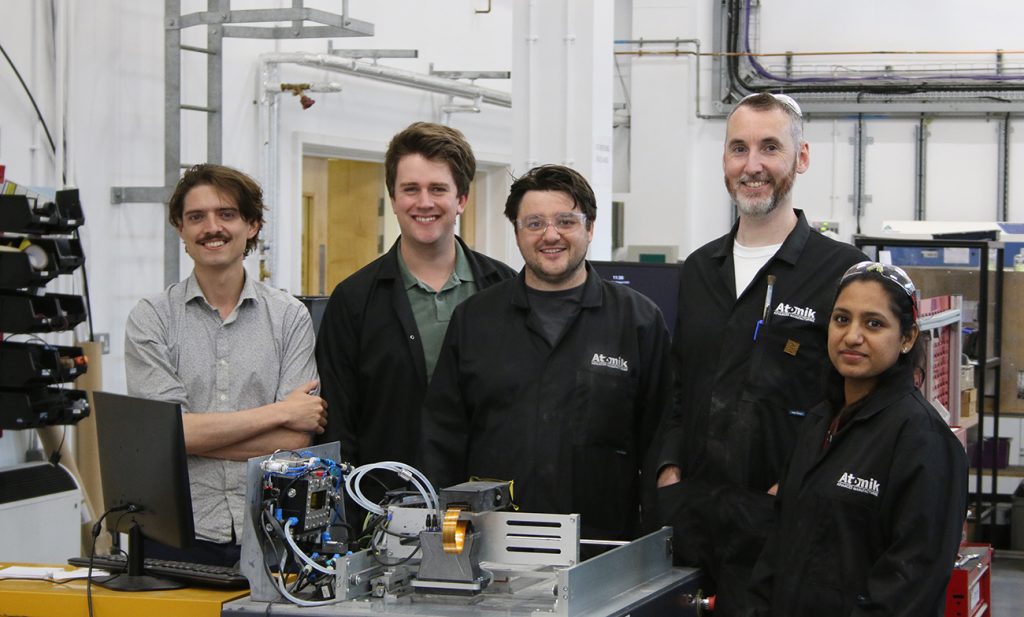
Collaboration is central to this approach. Machine vendors, powder suppliers and research groups each bring expertise that is essential for success. The industry has sometimes been fragmented, but the scale of the challenge demands cooperation.
Binder-enabled multimaterial parts
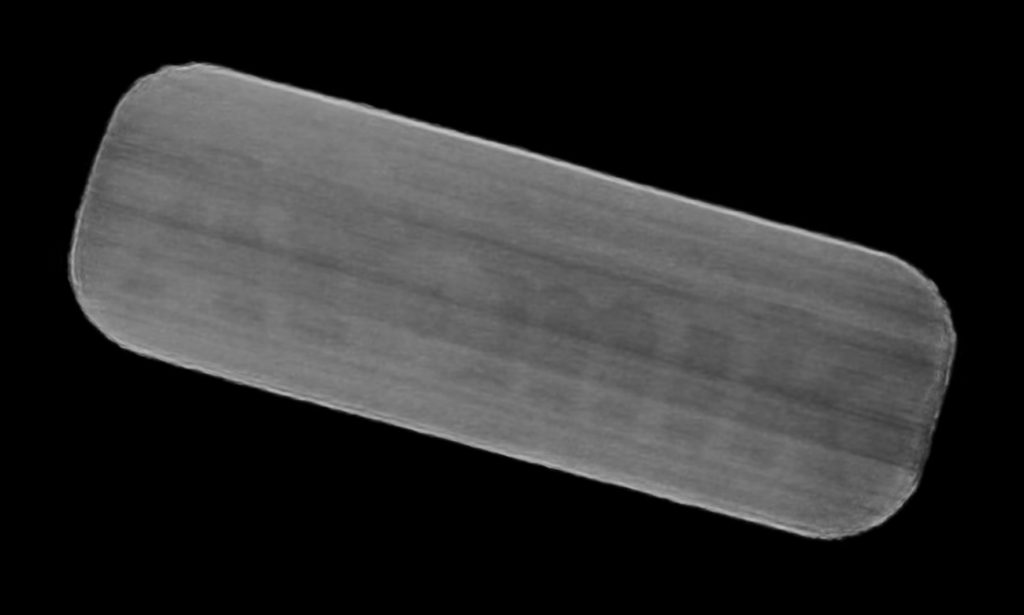
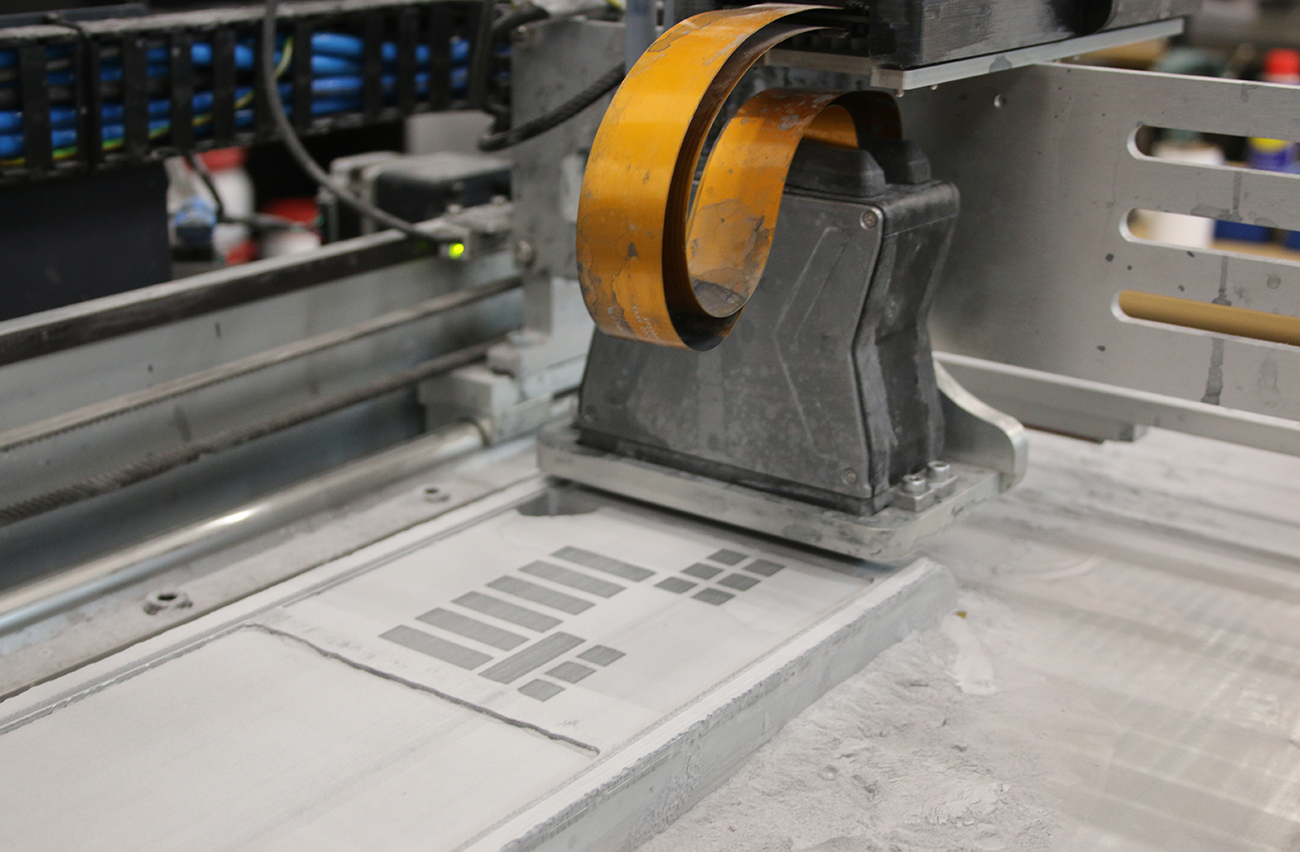
This part was produced using pure aluminium with digitally placed AlCu2 alloy to boost strength and conductivity where needed. Atomik’s logo can be seen in the X‑ray computed tomography (CT) scan thanks to the density contrast. This enables:
- Strength where it matters
- Electrical performance on demand
- Custom material placement in one build
Outlook and opportunities
Every conversation about Binder Jetting eventually comes back to the same question: will it succeed as a true manufacturing technology? The answer depends on whether the field can solve its persistent challenges.
Machine vendors that focus on automation and integration will be well positioned. Powder suppliers that embrace flexibility and sustainability will find new markets. However, the biggest breakthroughs are likely to come from materials. Binders that enable stronger green parts, more stable sintering and a broader materials palette will set the pace.
Applications are beginning to emerge where Binder Jetting offers unique value. Copper for electronics and heat exchangers. Aluminium for lightweight structures. Complex geometries in steels and superalloys – parts that are impractical by other means. These are not niche curiosities, but significant markets.
The long-term vision is even broader. Hybrid machines that not only layer powder but also jet multiple chemistries offer new design possibilities. Parts may no longer be limited to a single material but could incorporate varied functionalities within a single build. Binder Jetting can evolve beyond replication to become a platform for true innovation.
The future of Binder Jetting
Binder Jetting is at an inflexion point. The technology has always carried promise, but real progress depends on confronting the challenges that have slowed adoption. For too long, the binder has been overlooked. By reimagining it as more than glue, we can change the trajectory.
The Universal Binder offers consistency across powders, making adoption simpler. The Second Generation Binder goes further, using chemistry to enhance performance and open new possibilities directly. Together, they represent a shift in how we think about the process’s fundamentals.
The message is not that binders will solve everything. Machines, powders and software all need to advance. But without progress in binders, Binder Jetting will not reach its potential. With them, it can.
With the era of AI upon us, the Second Generation Binder is now economically possible. AI-driven development can accelerate design cycles, reduce cost and complexity, and hardwire sustainability into the process. This forms the basis of Atomik’s development strategy and may offer a direction for the broader industry.
This is the moment for the industry to rethink materials innovation, recognise the role of chemistry as a driver, and embrace collaboration across the ecosystem. The binder is not glue. It is the key to unlocking the future of Binder Jetting.
Author
Prof Kate Black
Atomik AM
1st Floor, Block D, The Waterhouse Building, 3 Brownlow Street, Liverpool, England, L69 3GL