

A year of change: Turbulence in China’s MIM industry as markets evolve
As we start 2024, Greater China’s Metal Injection Moulding (MIM) industry is recovering from a perfect storm of challenges. The COVID-19 pandemic didn’t only impact operations at MIM plants, but key markets were adversely affected, reducing production volumes. Furthermore, after more than a decade, Apple – China’s biggest MIM parts consumer – replaced its Lightning connector, a component which required the production of billions of MIM parts. Dr Q (Y H Chiou) reports for PIM International on the changes that are now underway in this, the world’s largest MIM producing region. [First published in PIM International Vol. 18 No. 1, Spring 2024 | 15 minute read | View on Issuu | Download PDF]
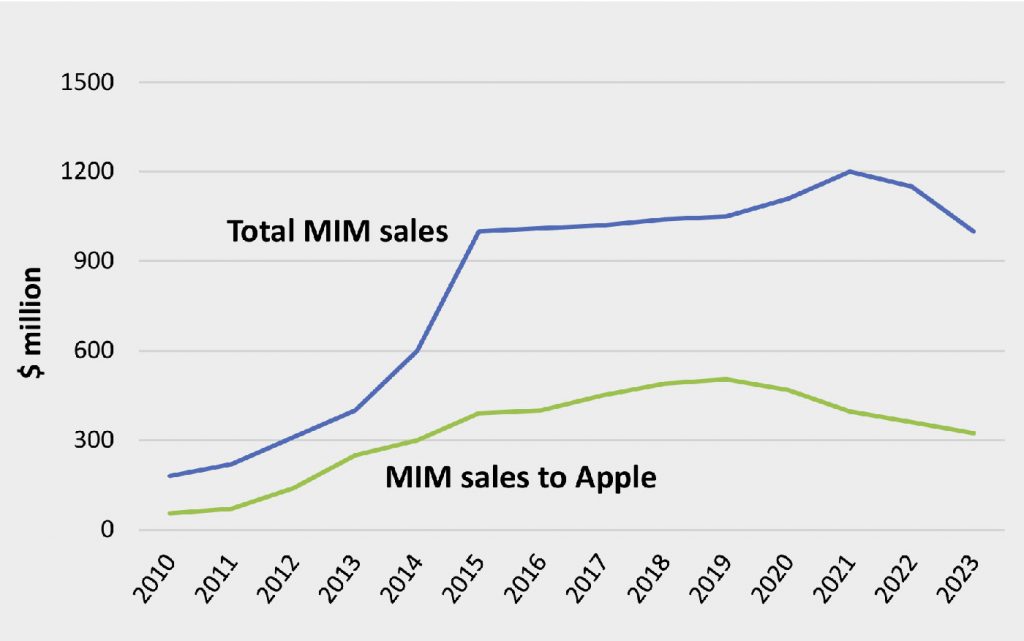
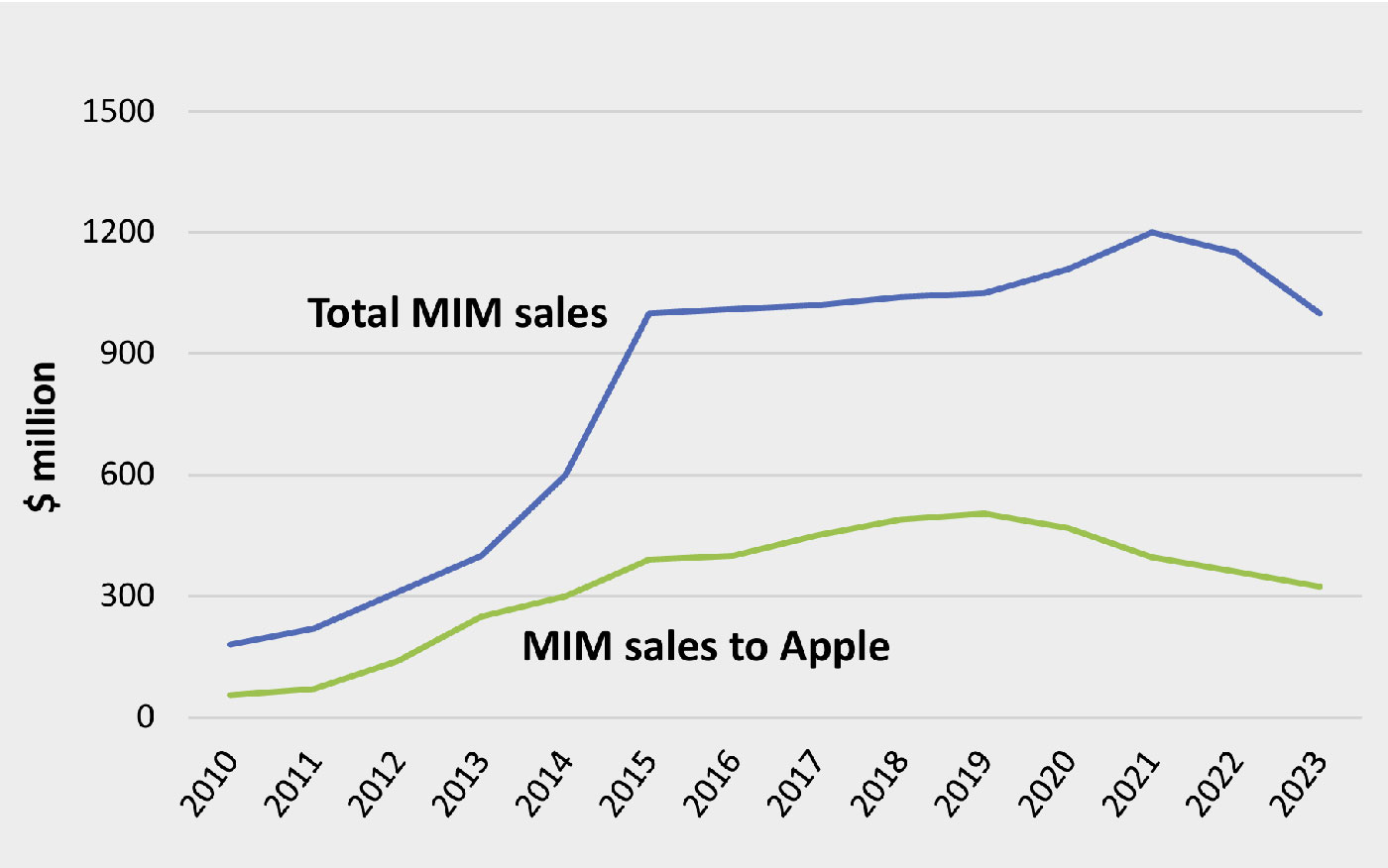
2023 is now behind us, and that is a good thing! Following on from the COVID-19 pandemic, it was a year of serious challenges for the MIM industry in Greater China. When the sales volume of smartphones – an application that featured numerous MIM parts in unprecedented production volumes – suffered a major decline, the MIM industry as a whole felt the impact. Fortunately, the way this reduction played out gave the industry enough time to find a way out of its slump.
Fig. 1 shows sales figures from the MIM industry in Greater China from 2010 to 2023 alongside Apple’s orders for MIM parts. The decline in Apple’s orders has, without doubt, affected the sales of MIM in Greater China, but, as shown, the impact gradually decreased. What is the reason for this?
Over a period of twenty days in January, I conducted interviews with multiple MIM companies. Here, I report my findings, sharing some insight into what the industry in Greater China has in store through analysis and discussion of materials, equipment, products and processes. I will also consider how the popularisation of MIM in Greater China has, in turn, led to the advancement of metal Binder Jetting (BJT) Additive Manufacturing.
Materials: MIM powders find a home in AM
No one expected the emergence of metal Additive Manufacturing (AM) to lead to a significant reduction in the price of MIM powder, but that’s what has happened. The reason is very simple: powder specifications used by metal AM and MIM overlap. Although most AM technologies require powders with high sphericity, there may be a considerable amount of fine powder left over for MIM production after the spherical powder is taken and used for AM. Material Extrusion (MEX)-based AM, whether using metal-loaded pellets or filament, can even directly use powder grades created for MIM feedstock production. Undoubtedly, these new markets helped MIM powder manufacturers find more business during the drop in the demand for Apple parts.
There are over fifty manufacturers of MIM and metal AM powders in China. These companies make use of different powder manufacturing processes, from gas or water atomisation to other advanced methods. Numerous metals and alloys are available, including ferrous materials, tungsten, titanium, copper, cobalt and nickel.
Stainless steel powders
HL POWDER (Hunan Hualiu New Materials Co, Ltd) is the largest manufacturer of atomised stainless steel powder in China. The company stated that sales of its stainless steel powders (316L/304L/17-4PH) still show growth, with the company providing its MIM grades internationally, including to India. MIM manufacturers have an expectation that powder manufacturers will be able to provide comprehensive powder and feedstock solutions to further improve part quality and reduce material costs.
The rise of titanium
What surprised me the most is the growing demand for titanium and titanium alloy powders. According to data from Jiangsu Jinwu New Material Co, Ltd – currently the largest titanium powder manufacturer in China – the growth of titanium powder for AM in 2023 was approximately twice that of the previous year, while the demand for MIM powder more than quadrupled that of 2022; the overall shipment volume exceeded 200 tons for the whole year (data for pure titanium grades TA1, TA2 (using Chinese grading terminology), and TC4 (Ti-6Al-4V)). Titanium alloy powder used by China’s MIM and metal AM industries exceeded 800 tons in 2023.
High-strength steels

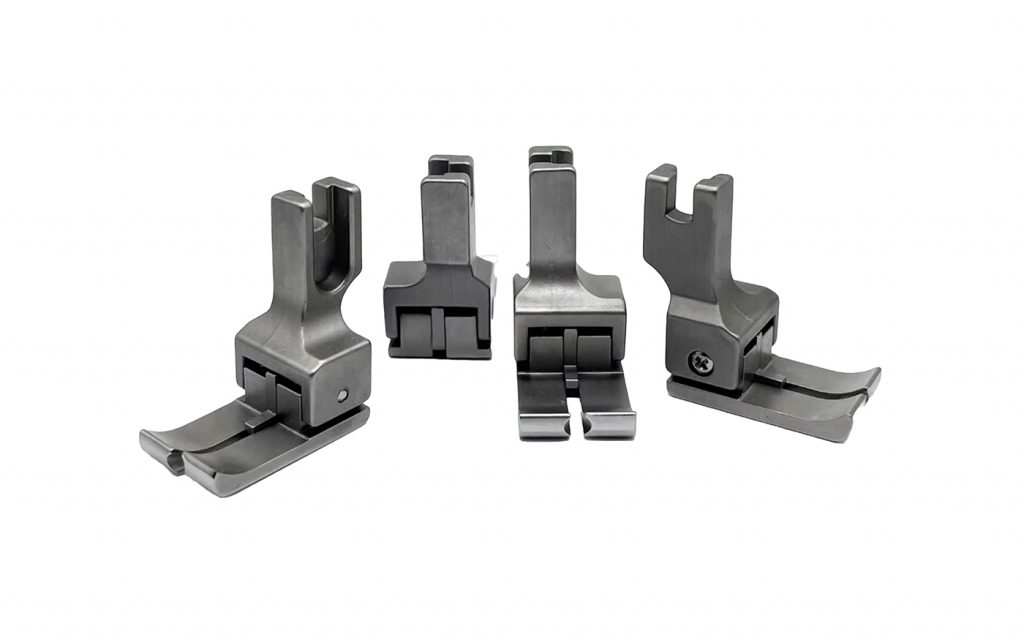
Although Apple has reduced the usage of MIM parts, resulting in a decreased demand for ASTM F75 powder, the rise of folding smartphones has led to an increase in demand for high-strength tool steel powder. A similar material is also used in other applications, such as nail clippers, kitchen knives, electric clippers, and smart locks. Additionally, I have been involved in the development of MIM 200CY powder from 200 series stainless steel, produced using the large amount of scrap material from kitchen equipment and tools that comes from South China. After sintering, a hardness of HRC 49 can be obtained, opening a new path for MIM recycling. Thus far, the powder has been used to manufacture parts for sewing machines (Fig 3).
Aluminium and copper: a future with Binder Jetting
For aluminium and copper metal powders, BJT seems to bring a glimmer of hope. In the past, there were concerns about explosivity risks when processing aluminium powder by Laser or Electron Beam Powder Bed Fusion (PBF-LB or PBF-EB, respectively), while aluminium powder MIM feedstock also has some risks associated with it. Copper products were typically believed to have poor outcomes when processed by PBF-LB due to the material’s high reflectivity, whereas BJT can manufacture green parts from aluminium or copper and then use MIM sintering technology, followed by CNC machining, to quickly obtain precise samples for prototyping and research. In the case where a part goes into higher volume production, a tool can be manufactured and production ramped up using MIM. In China, BJT and MIM are expected to become closely integrated over the next five years, resulting in the development of entirely new products and mass production.
Innovation in MIM production equipment drives upgrades at part producers
At present, the traditional mechanical parts manufacturing industry in Greater China is facing a lack of a young, skilled workforce. The reluctance of highly skilled young people to enter the traditional mechanical parts manufacturing industry is mainly due to environmental factors – after all, many manufacturing industries have potentially unsafe environments and are associated with higher risks. The development of the MIM industry is also being impacted by this.
Since 2012, I have been promoting Taiwan’s MIM expertise within mainland China, leading to MIM equipment manufacturers making marked improvements in the performance of their products. Despite experiencing three years of poor business due to the impact of the COVID-19 pandemic, equipment manufacturers are still optimistic enough to invest in improving their technology. The result was a trend in 2023 of purchasing new equipment to replace the old. The software updates that come along with this new equipment bring updated algorithms, which are more secure, efficient, energy-saving, and convenient to operate – common goals pursued by the MIM industry.
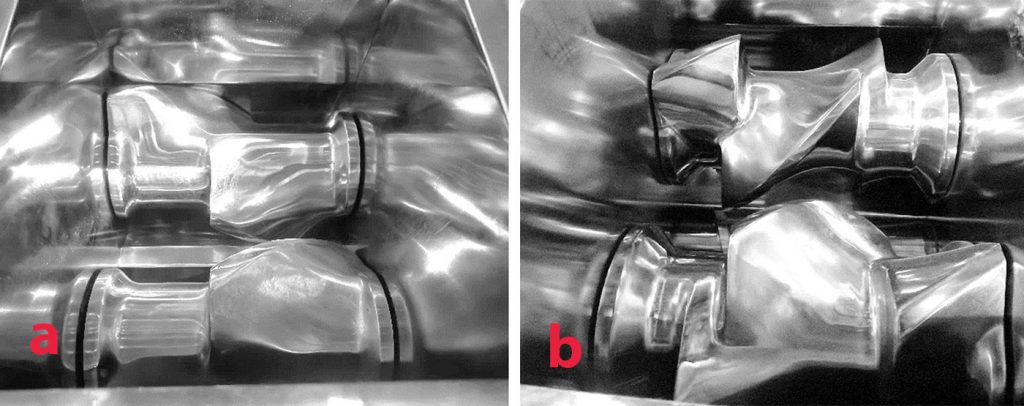
DongGuan CFine Machinery Technology Co, Ltd, has developed and commercialised an integrated four-blade rotor internal mixing/granulation machine, which saw excellent sales results in 2023. In development since 2020, this machines simplifies and automates the mixing and granulation portions of the feedstock production process. The redesigned four-blade rotor can also enhance feedstock density and reduce mixing time (Fig. 4).

Xiamen Throne Vacuum Technology Co, Ltd, has started offering high-pressure sintering furnaces, based on the company’s own developments, that offer pressures of 1-20 MPa (10 to 200 bar, or 15 to 3,000 psi). These rapid cooling MIM debinding/sintering furnaces move away from the conventional route of using only vacuum or partial pressure atmospheres in batch sintering furnaces for MIM parts (Fig. 5).
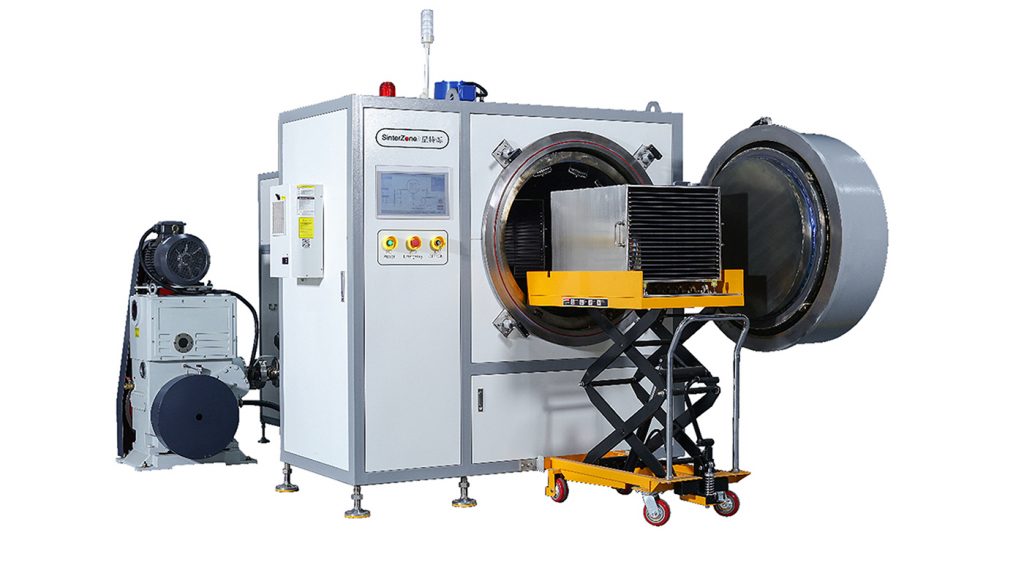
Shenzhen SinterZone Technology Co, Ltd, has also expanded its debinding equipment range to include solvent debinding equipment, as well as an integrated debinding and pre-sintering furnace that can operate at up to 950°C (Fig. 6). This solves the problem of green MIM parts being brittle and difficult to move after debinding. It also avoids contamination from binders during the sintering and post-sintering process.
An expanding market for MIM parts
In nearly a decade of consulting work, I have visited at least 100 MIM manufacturing-related companies throughout Mainland China, Taiwan and Japan, including producers of powder, binder, equipment, and parts. Finding parts that are suitable for mass production has always been a challenging task because each MIM company has a different background. A large portion of MIM companies previously focused on plastic injection moulding, but some companies specialised in sheet metal processing for metal parts; additionally, some are skilled in the CNC machining of small metal parts. Some companies are also familiar with the manufacturing of geographically specific components or products. In moving to MIM, companies know that the products they are familiar with will do well, whatever the manufacturing technology.
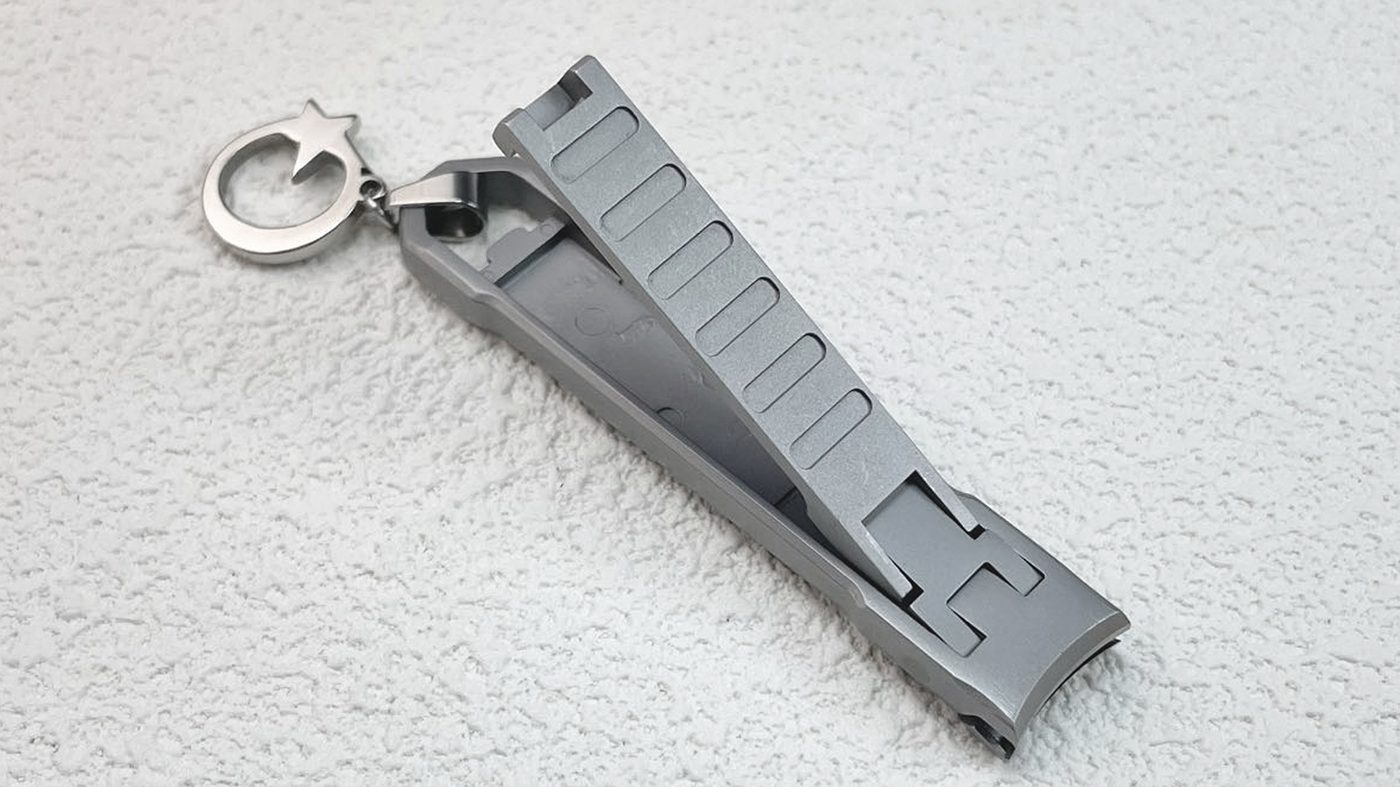
In Guangdong Province, two product blocks can be distinguished from each side of the Pearl River. On the right side of the Pearl River estuary, the cities of Shenzhen and Dongguan focus on electronic products, such as MIM components for smartphones and wearable electronic products. On the other side, in Zhuhai and Yangjiang, there is a focus on household appliances and kitchenware. Using MIM technology to manufacture components for household appliances, as well as kitchen knives and tools, has naturally become a strength in the region. Fig 7 shows a stainless steel 420 nail clipper made by MIM technology, which was produced using the raw material waste of locally forged kitchen knife manufacturers.
Golf clubs and high-end leather bag fasteners are concentrated in the vicinity of Guangzhou, where larger-sized MIM parts make up the bulk of production. The Yangtze river basin, in eastern China, has different specialities; as a result of the growth of OEM factories for Apple products, the production of MIM parts for these applications has naturally become a focus. In the Zhejiang region, slightly below the Yangtze river basin, magnetic material components and small hardware products are leading MIM manufacturers in two directions. Further north are companies more inclined towards industrial products for the automotive industry, textile manufacturing and tools.
In 2023, more factories were dedicated to making MIM parts than a decade ago, when the market was dominated by parts for smartphones. This reality seems to align with Prof Randall German’s prediction that orders offering long-term production are far better than orders for parts that may only have a very short lifespan, such as parts for a specific smartphone that may only have a production run of one year.
Integrating assembly operations
MIM requires multiple processes, including powder mixing, feedstock granulation, green part injection, ejection, de-burring, debinding, sintering, and post-processing – and this is without taking the design and verification into account. However, MIM is rarely the sole manufacturing technology for a final application – the technology can almost never meet all the various part requirements of a customer’s product. In the past year, I have seen the increasing demand for part assembly in MIM factories. As well as ensuring the dimensional control, surface finish, and aesthetics of MIM parts, manufacturers must now combine them with parts from other processes and/or different materials to achieve the desired results. Combining MIM parts with those produced via Additive Manufacturing is not new. If a MIM parts manufacturer finds their orders dwindling, they are sure to be able to generate more revenue and profits by offering assembly manufacturing.
The stainless steel 420 nail clippers shown in Fig. 7 consist of three MIM parts, a filing strip, and a stainless-steel rotary shaft. Before assembly, each MIM part must be magnetically ground to remove any burrs and surface roughness, then subjected to surface sandblasting, roughening, cleaning, and passivation for corrosion resistance. After installing the shaft, the cutting edge is ground and sharpened before filing strips are applied. Specific trademarks and texts are laser engraved according to customer requirements before they become real consumer products.
In the past, the production of a nail clipper may have needed to be divided into several factories to complete post-processing, but as competition intensifies, these post-production processes are likely to be brought in-house to the MIM factories themselves. This is expected to become a trend in the future, though, if companies cannot bring the work in-house, the trend may be consistent cross-factory integration, as seen in the Guangdong and Zhejiang regions. This style of cooperation – with an express delivery network to complete the goods – may be an important management technology for the future.
Crossing a river in the same boat: the first year of cooperation between MIM and Binder Jetting
While metal Binder Jetting is not a new technology, more efficient BJT machines have only emerged in recent years, I was surprised to discover during recent visits that several MIM manufacturers had already invested in BJT and have commercially produced products. Metal BJT, which includes technology from companies such as HP and Desktop Metal, has been used in the launch of a number of different product lines. BJT leverages digital manufacturing to produce a large number of green parts quickly, efficiently and without the need for tooling. However, to densify the powder and form finished metal parts, the help of expertise from the MIM industry is inevitably required. To truly turn metal BJT into a commodity, it needs to follow MIM’s commercialised integration process.
Due to the new opportunities opened up by metal Binder Jetting, existing MIM equipment vendors are also starting to launch new products and/or processes, including those focusing on the pre-treatment of BJT powder, the movement and transportation of green parts, more efficient debinding and sintering equipment, etc.
While sintering furnaces currently used in MIM are becoming larger, ranging from 240-600 litres for batch furnaces – and even greater for continuous furnaces – these are not yet applicable to BJT, as BJT is not yet a process that produces a very large number of small parts. Therefore, developing small-sized sintering furnaces (<100 litres of sintering space) and changing the cooling process can save sintering energy and time, helping BJT to serve the manufacturing industry more efficiently. I am confident that metal BJT can fully follow the growth model of MIM, and that these technologies will even develop together to become a strong technology combination for powder forming.
The first year after MIM’s first half century
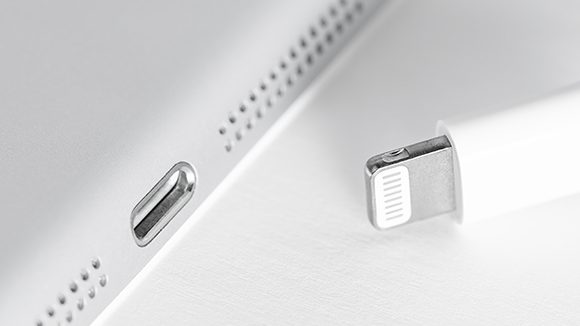
In 2023, Apple finally replaced the Lightning connector (Fig. 8), which had been in use for nearly a decade, with the USB-C connector. Produced by MIM, more than 2 billion Lightning connectors have been manufactured. They have provided hundreds of millions of people with a durable and convenient user experience. This part exemplifies the role MIM plays in the modern world – silently serving with little recognition.
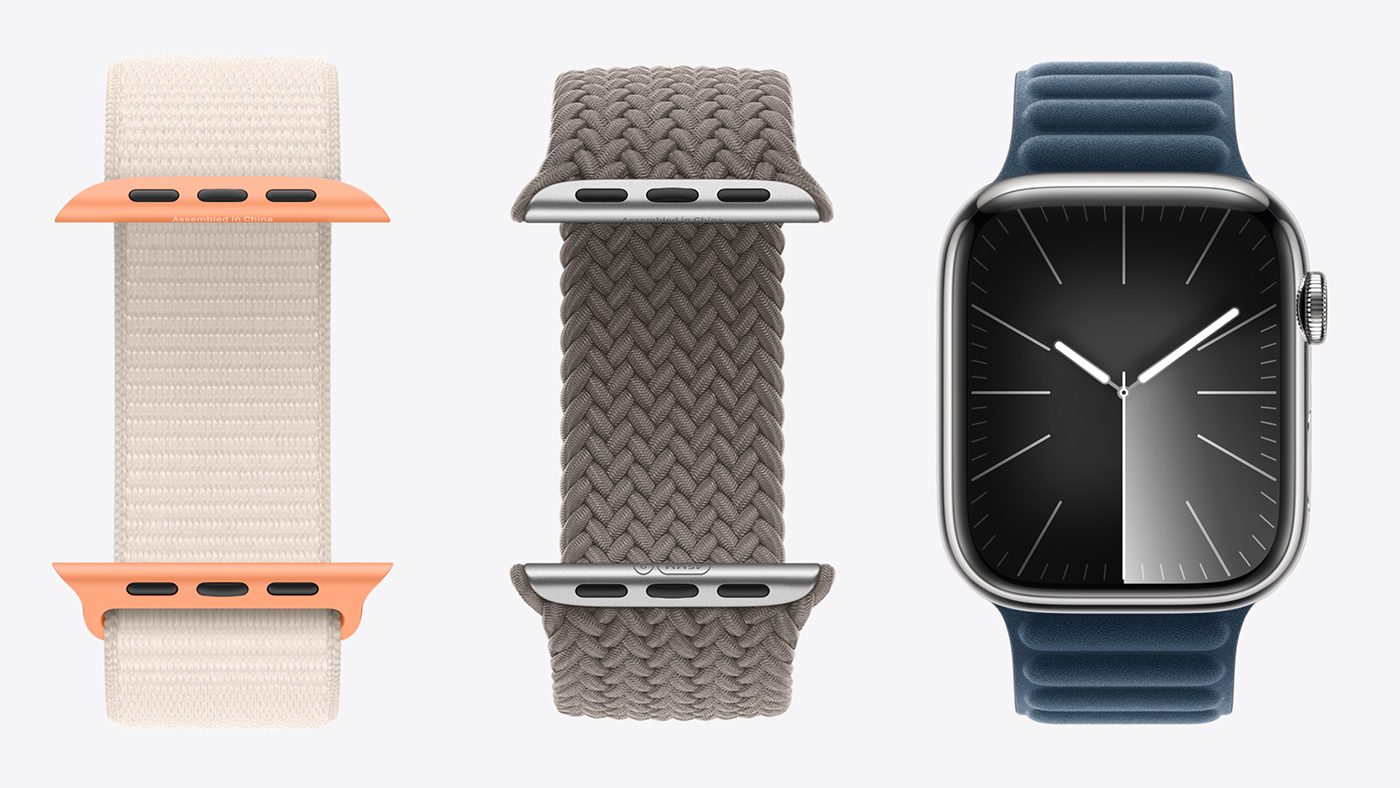
A new generation of precision MIM parts is emerging and is rapidly expanding; the lug of Apple watch bands (Fig. 9) used for the quick replacement of smartwatch straps, takes over from the Lightning connector and begins its silent service. Beyond these watch lugs, more MIM components have been developed and continuously used in markets such as energy management, gearing and beyond. I have no doubt that MIM technology will continue to serve all of humanity for another fifty years.
Author
Dr Q (Y H Chiou)
You neeD Technical Office
[email protected]